Joyful Living

I’ve been explaining to my husband for some time the way my body operates. Because we are both science majors, I use an example of a permeable membrane in a cell. I am a person who is mostly open so that things pass into and out of me easily. This brings me great joy, and also great sorrow. I feel things deeply. Lately, I have been wondering if this is healthy. Do I lack healthy emotional boundaries?

Vintage Rose and Lilacs

Westclock and Buttons

But, a friend recommended a new book by Kate Bowler, Joyful, Anyway. Kate explains what it means to be porous. “You are open to forces you did not generate. When joy arrives, it visits you. When suffering comes, it may be coming from somewhere larger than your own circumstances. The porous self is not the master of its own experiences with the world. And (mostly) this is experienced as a relief. You do not have to manufacture meaning to be living a deeply important life. Meaning comes to you.”

Terracotta Pots and Compost Bin in the Garden

That part of myself that I was so quick to condemn and try to banish, my vulnerability, might actually be a gift and my pathway to joyful living. I can see that it is often my judgement about my feelings, that secondary appraisal, that is often my downfall. And this changes everything.

Learning and Leaning

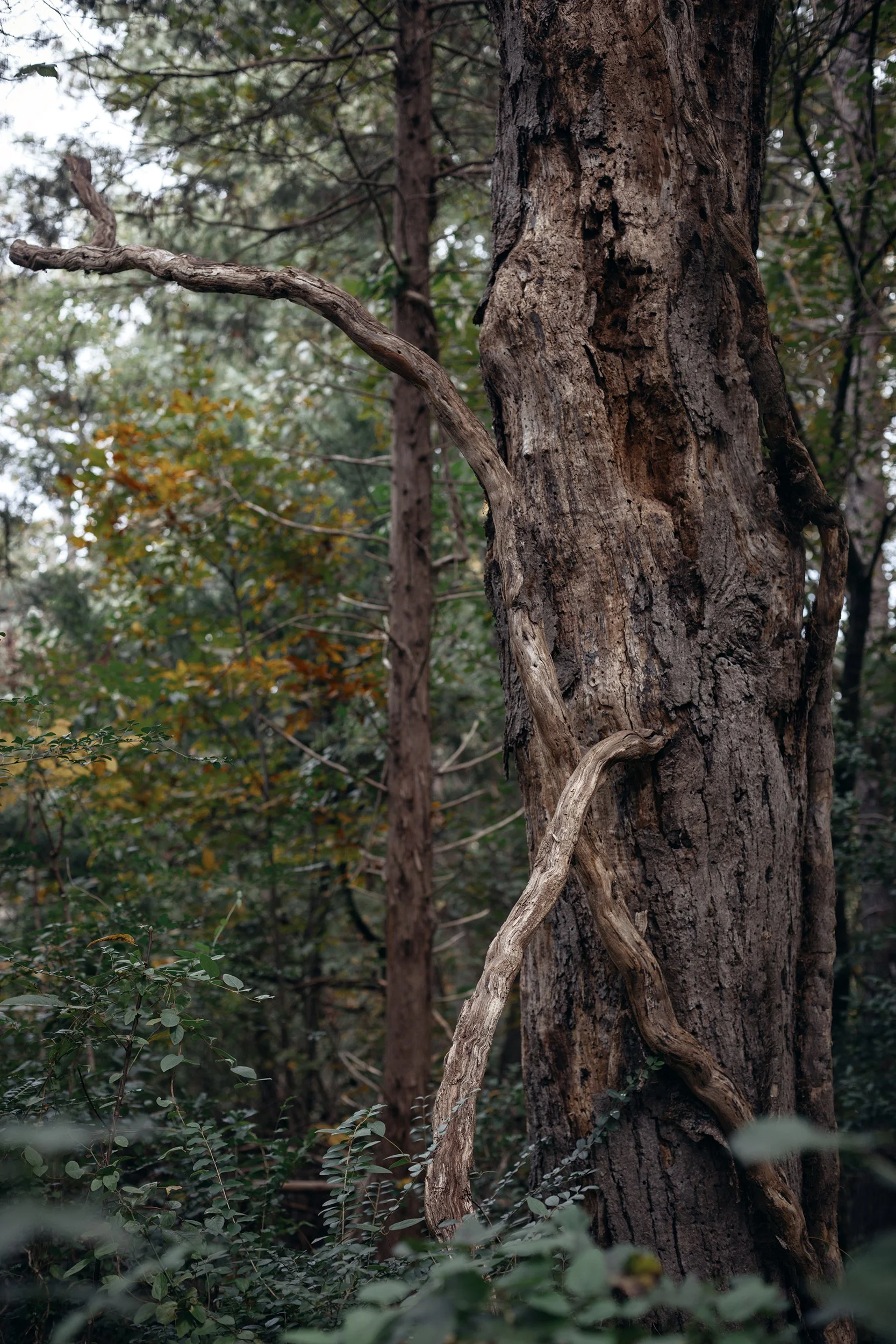
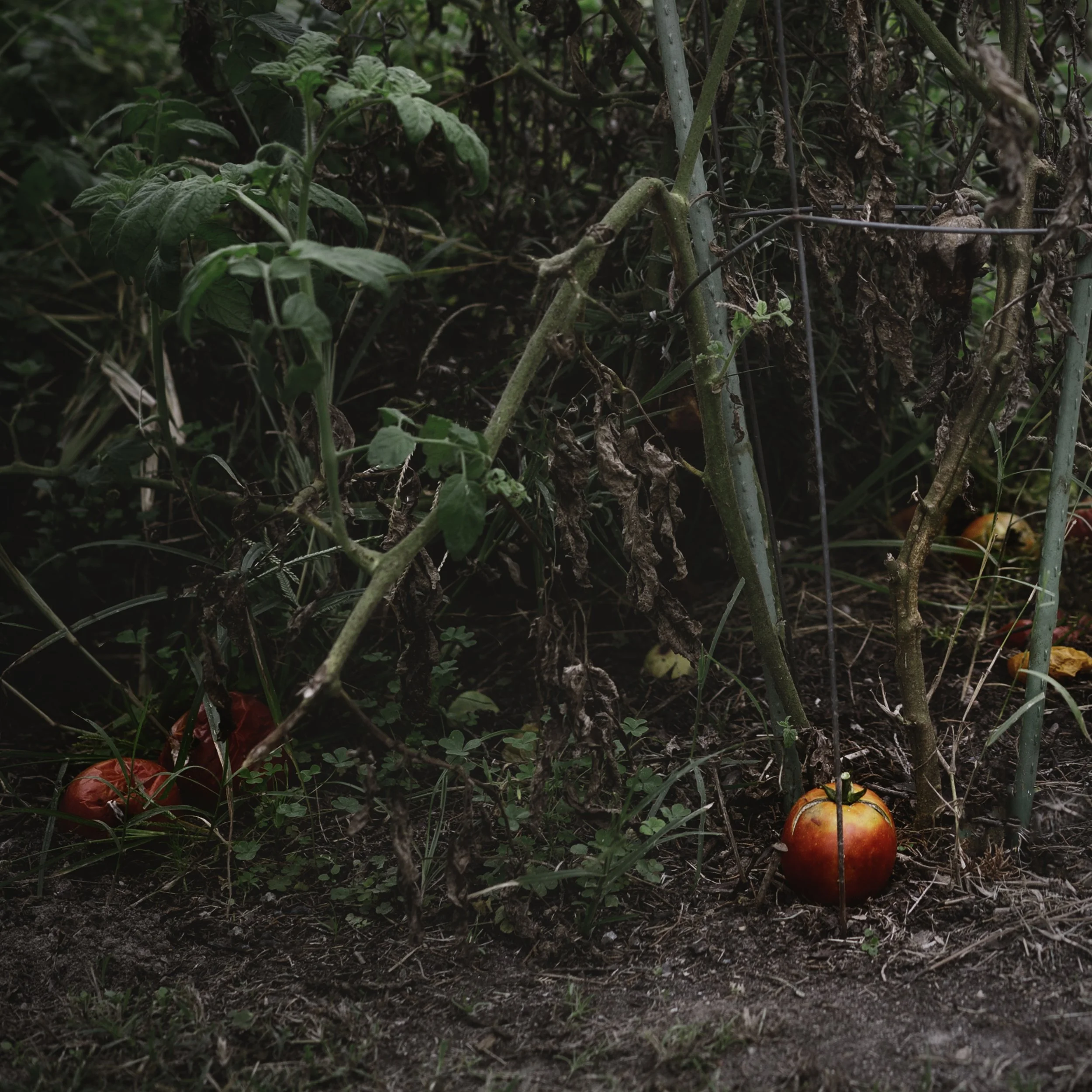
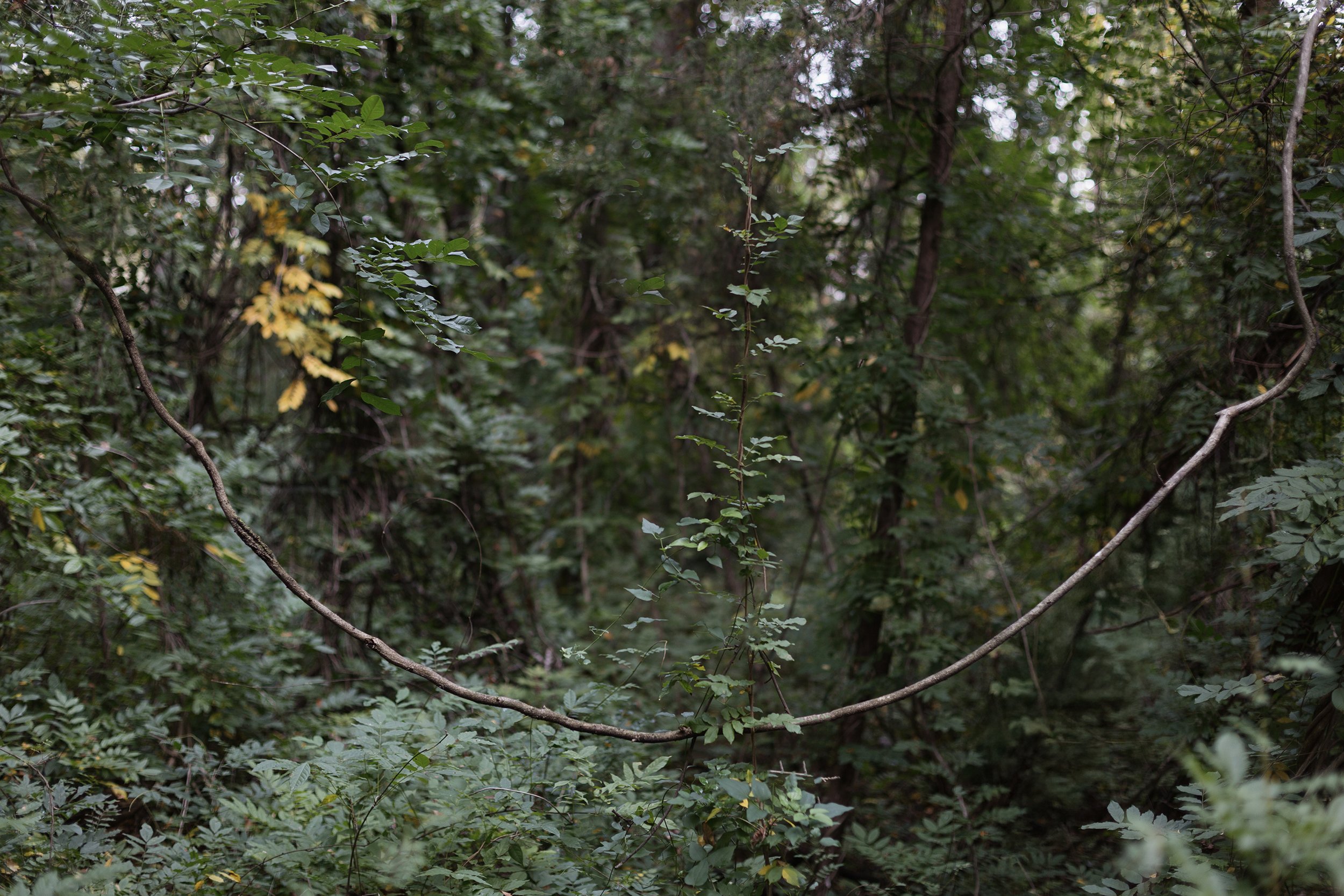
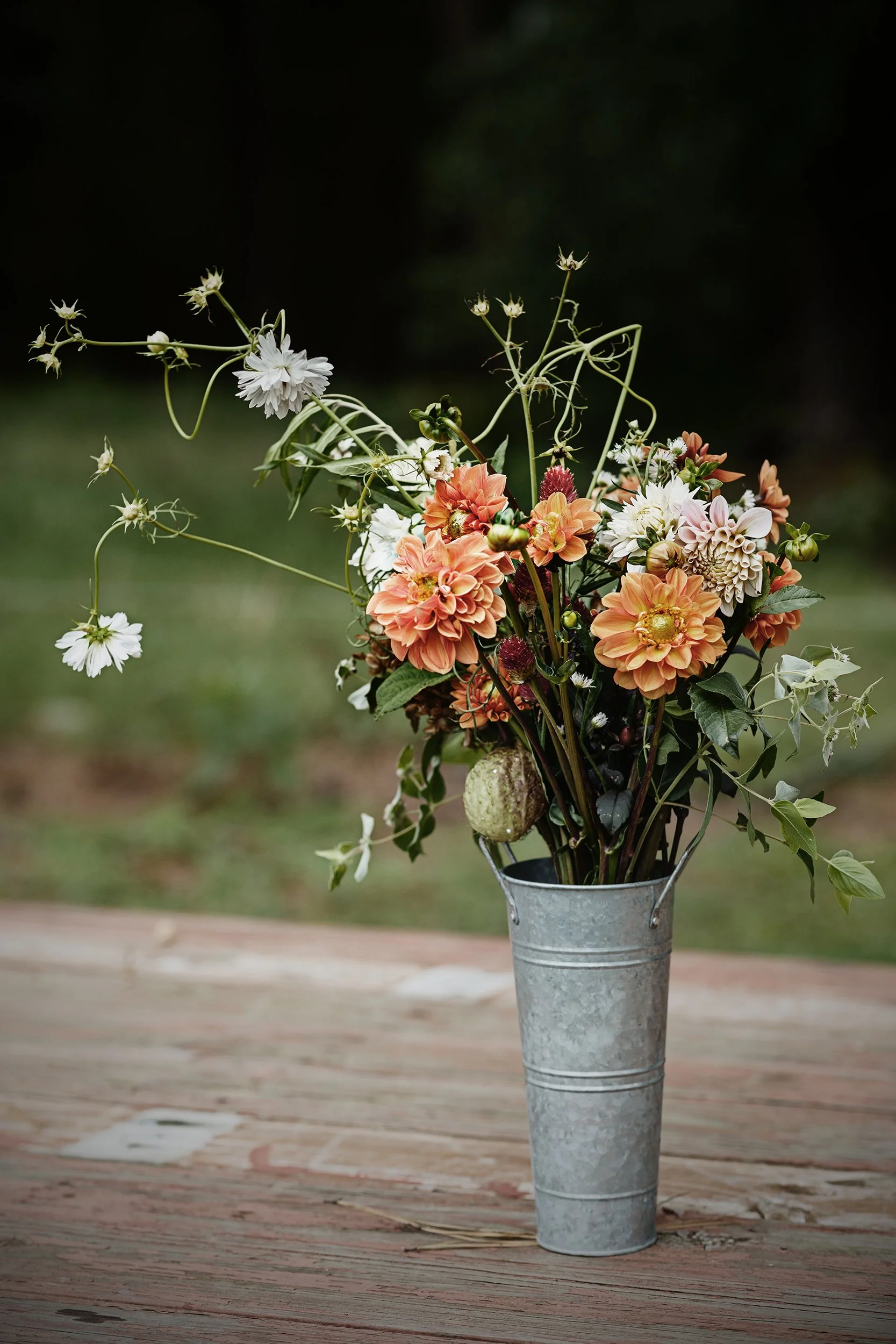
I am not a photography stylist, and the idea of carefully arranging bits and pieces with tweezers does not appeal to me. I already struggle with a large dose of perfectionism, so it doesn’t make sense to heap on more of the same. But I am good at noticing when things are naturally arranged artfully. And I’m really good at stopping everything else to pay attention to something that catches my eye.

Analyzing, researching, organizing, planning and figuring things out—these are my strengths. I love to think big and often come up with creative solutions to problems. But I am also driven, anxious, and wired with alarms set to go off way too often for reasons I cannot explain (though EMDR therapy is helping me to level out my nervous system).

I am happiest when I am deeply involved in work. And in the case of photography, work is play and play is work. This is good for me. I’m thinking of signing up for a summer online workshop offered by Paul Sanders, Stillness of Summer. It’s always about how many ways I can stretch a dollar . . . I’d love to take this class with a friend. If you’re interested, send a note to let me know and we can learn together.

Confidence

the mind needs proof that you are someone who can begin, recover, learn, try again, and survive the awkward middle without turning one bad day into a biography.
— Ayushi Thakkar, Milk and Cookies

Color Therapy

Sometimes life is just a series of snapshots.

I am not looking for great, award winning images, I am looking for moments that slow me down, make me pause and take a breath.
— Paul Saunders

Of all of the things that land in my Inbox, the posts from Still by Paul Saunders are consistently those I find most helpful. This week’s newsletter focuses on mental health, and this is truly the most doable list I’ve ever come across. This is a plan I want to try. Thank you, Paul!

Here are my five top tips for looking after your mental health:

Do something creative every week - everyday if you can.

Walk barefoot on the grass or sand at least once a week.

Have a real face to face conversation with someone.

Limit your screen time and stay away from online arguments.

Wake up ten minutes earlier, make a cup of tea or coffee and then either sit outside or with the windows open and listen to the birdsong.