Art Inspiring Art
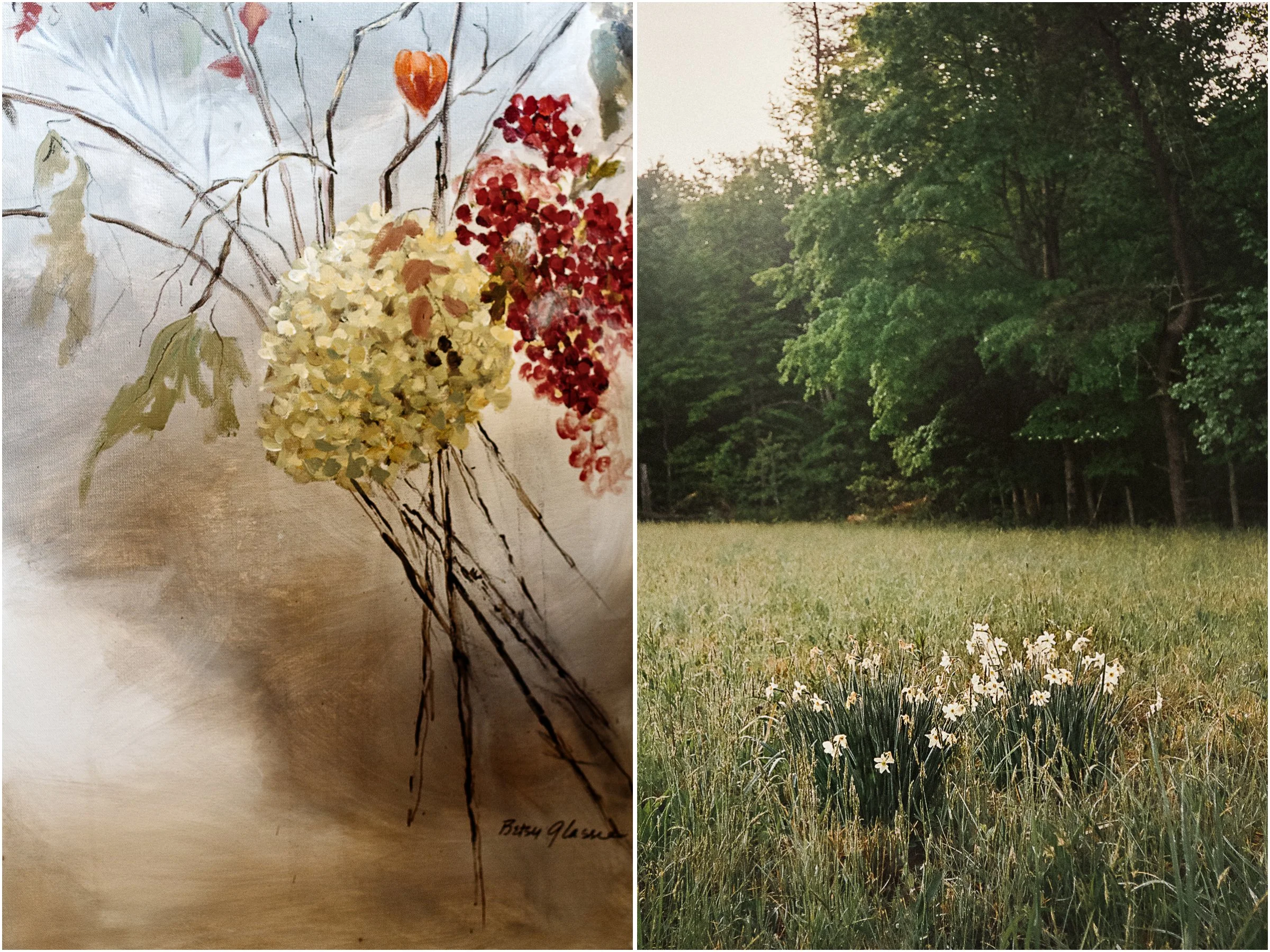
Many thanks to my youngest son who introduced me to the term, ekphrasis. When I excitedly explained my latest photo project to him and how it was all about the dialogue between my photography and these vintage landscape oil paintings, he immediately recognized the word for this kind of work. I did a little research to better understand the origin and meaning of the word, ekphrasis.
What is ekphrasis?
Ekphrasis was originally a form of speech used in Ancient Greek rhetoric. An orator would use ekphrasis to engage their audience, describing scenes and situations in such a way as to stir up the imagination of those who were listening.
The term ‘ekphrasis’ developed over time, until it became known as a poetic description of visual art.
But that definition has since expanded to include any kind of creative response to any work of art. And the most interesting ekphrastic texts do far more than just ‘describe’.
Now, ekphrasis could refer to a poem written in response to a painting. But it could also refer to a painting painted in response to a film, or a sculpture shaped in response to a dance.
Ekphrasis can be a playful, ironic, or subversive process of engagement. It can be a conversation between writer and reader and viewer and artist.
It can also pull you into the conversation. You may become inspired to create your own response: to challenge or provoke, to connect, to criticise or question.
It can create a voice for those who cannot speak for themselves, such as the silent figures in a painting, an imagined viewer, a deceased artist, or even the artwork itself.
I learn something new everyday.