Conversation Pieces
Art has always served as a conversation starter. And often, art inspires art.
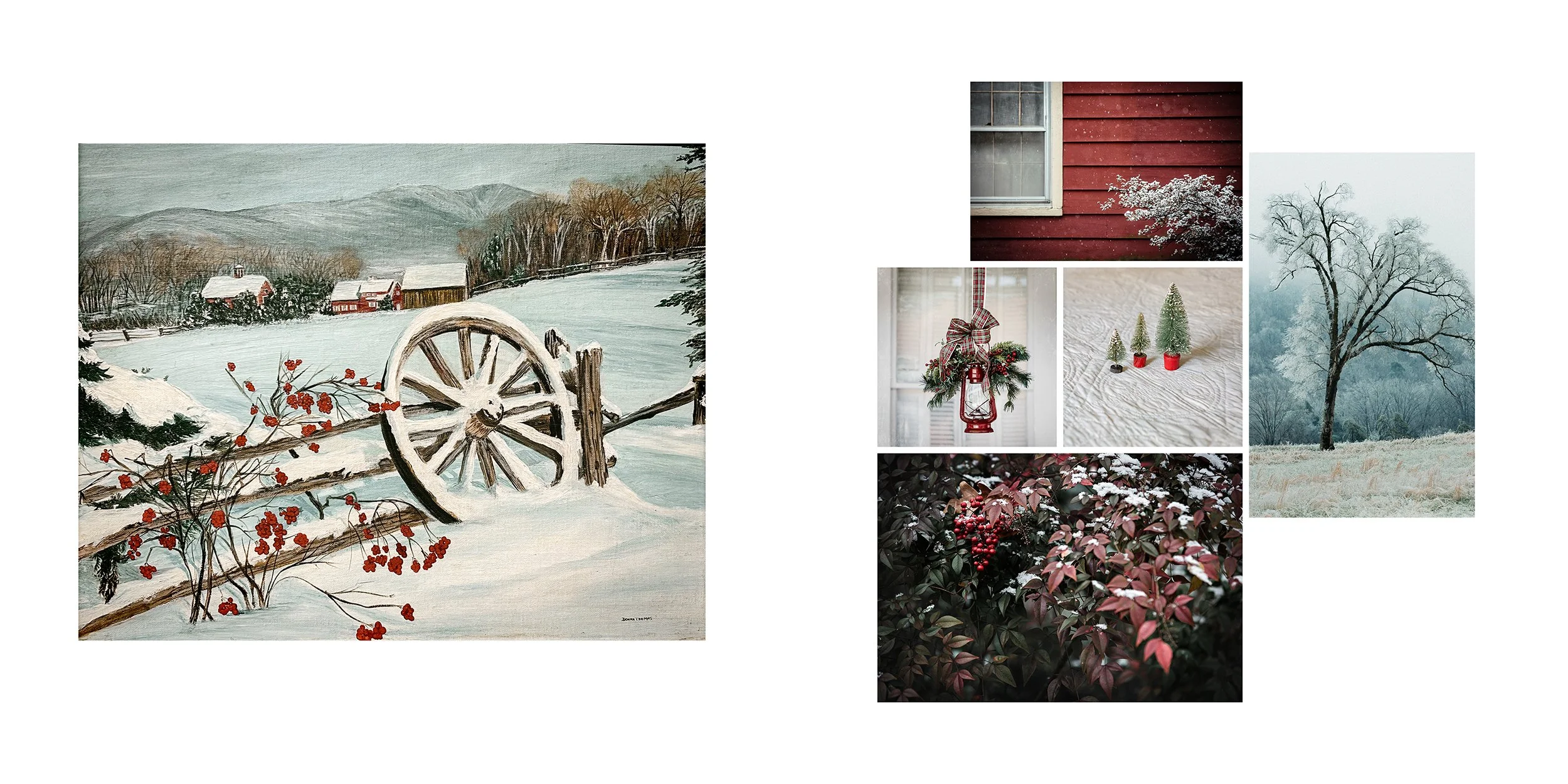
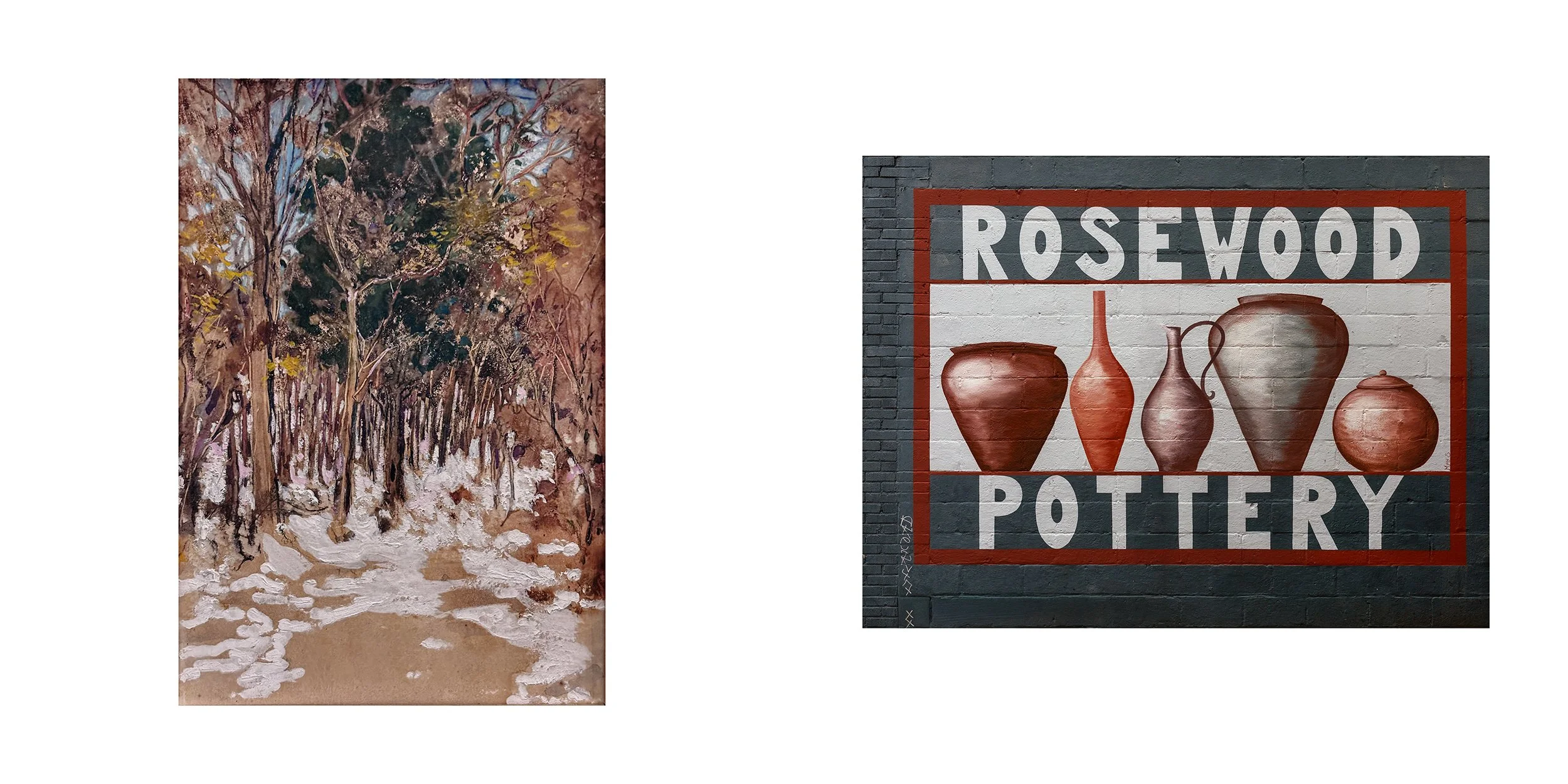
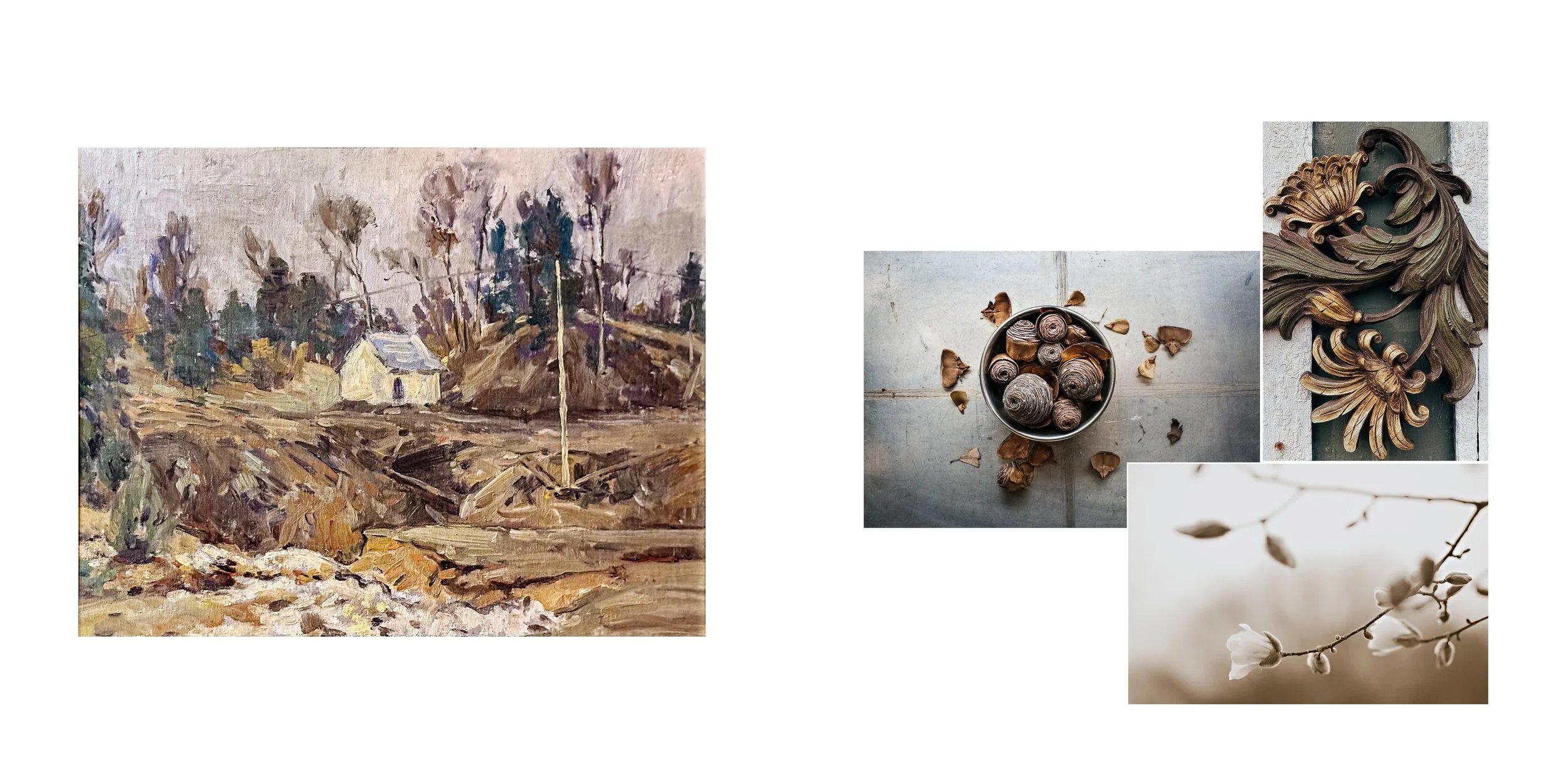
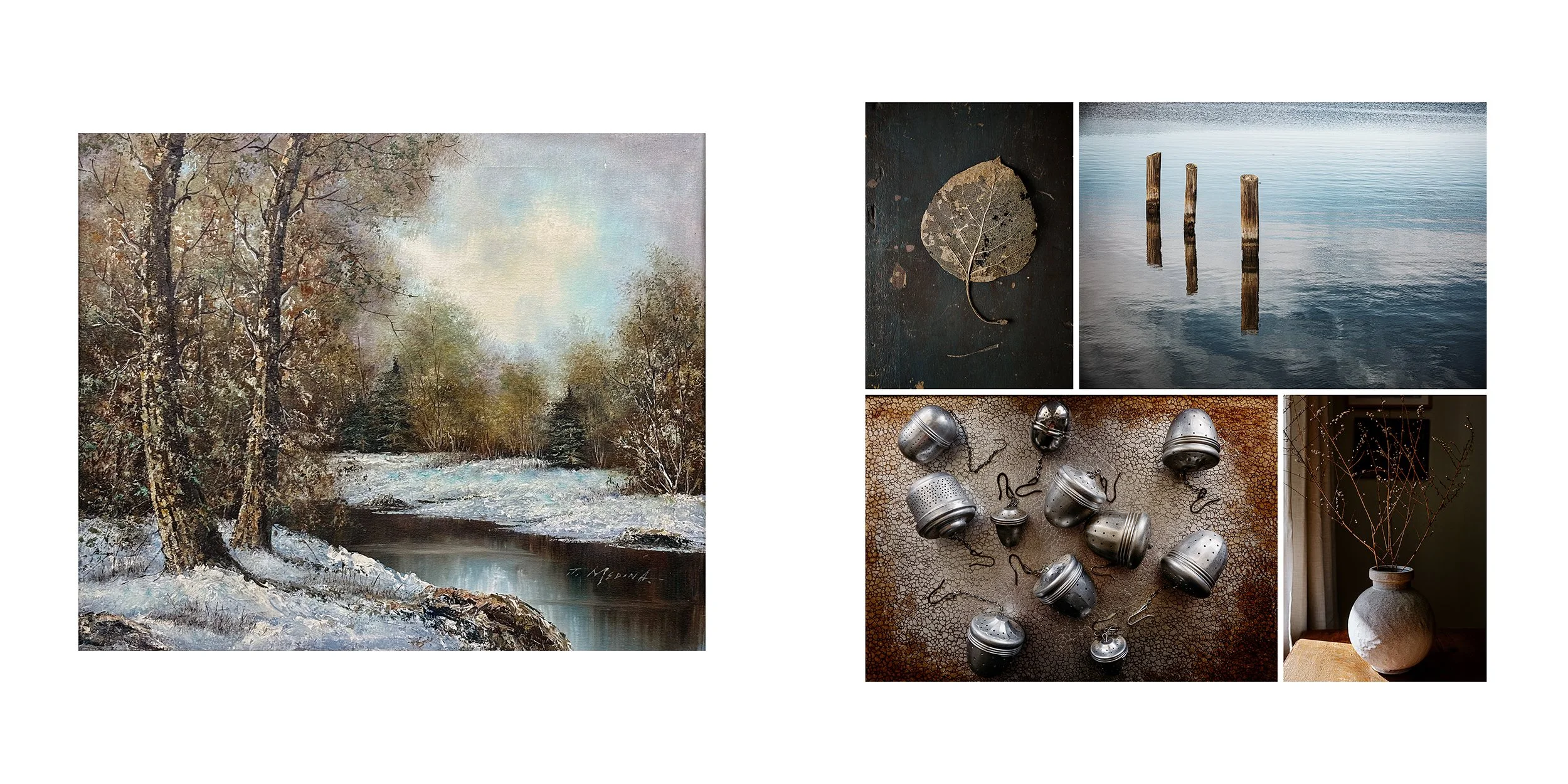
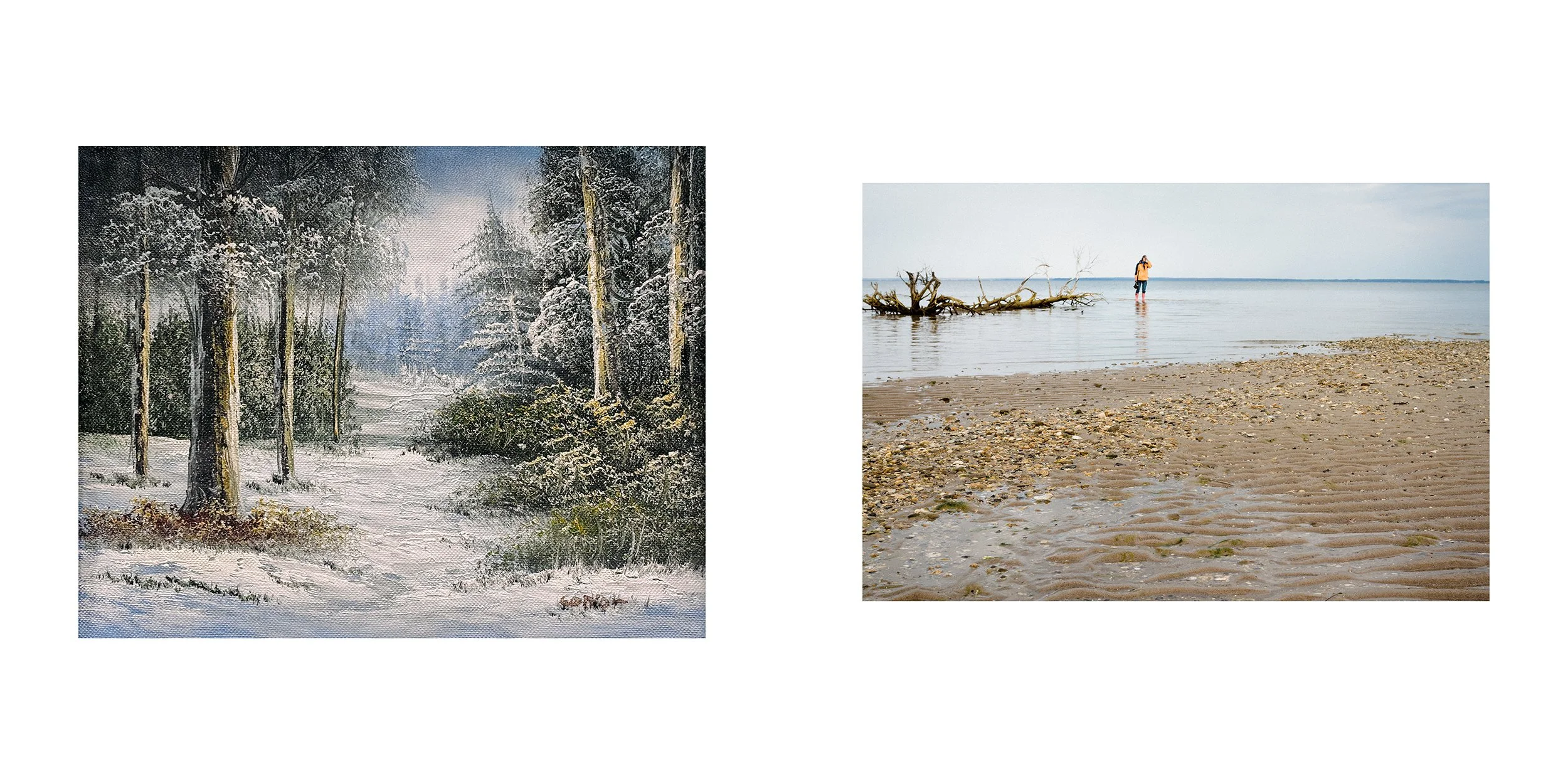
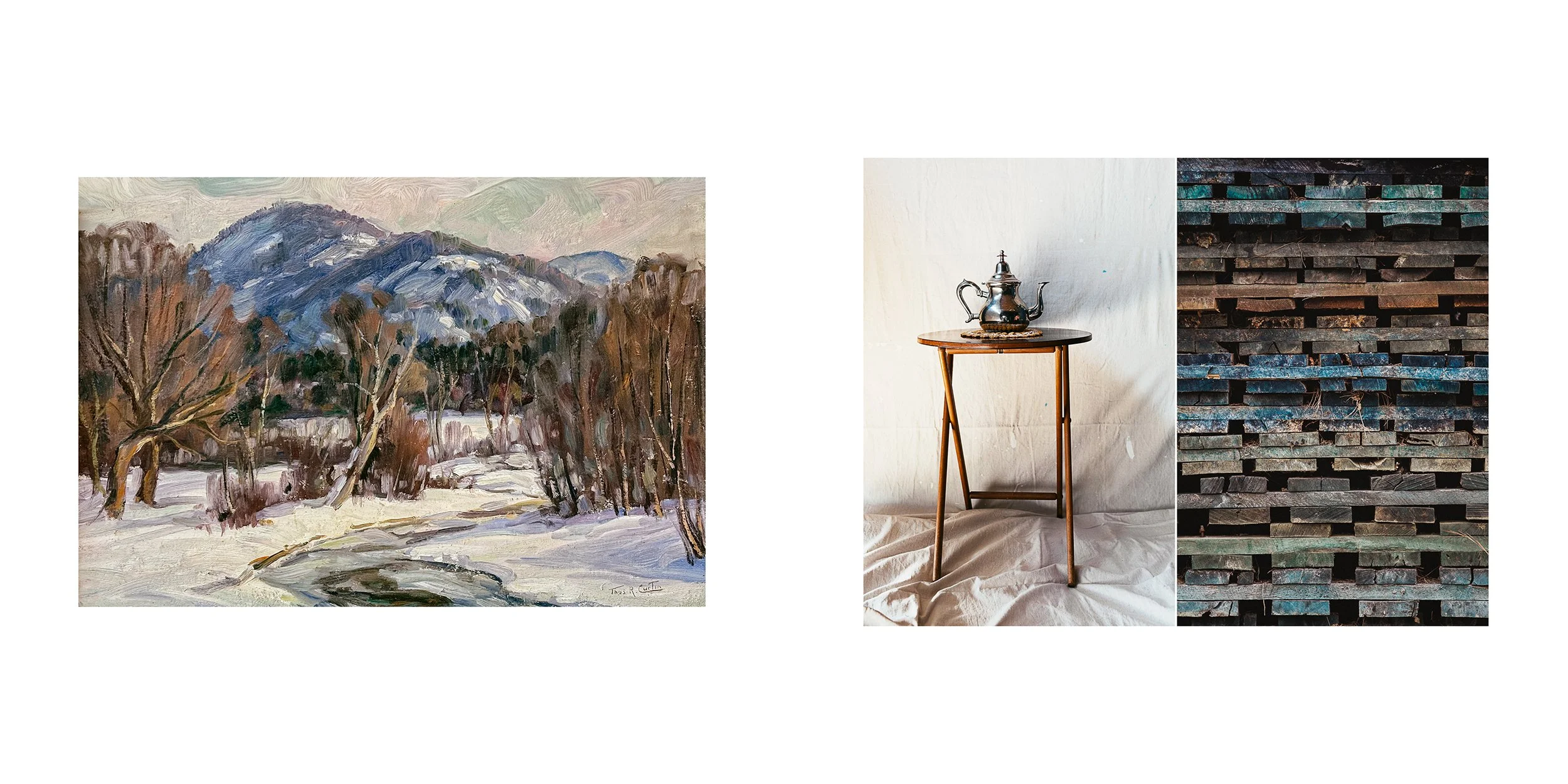
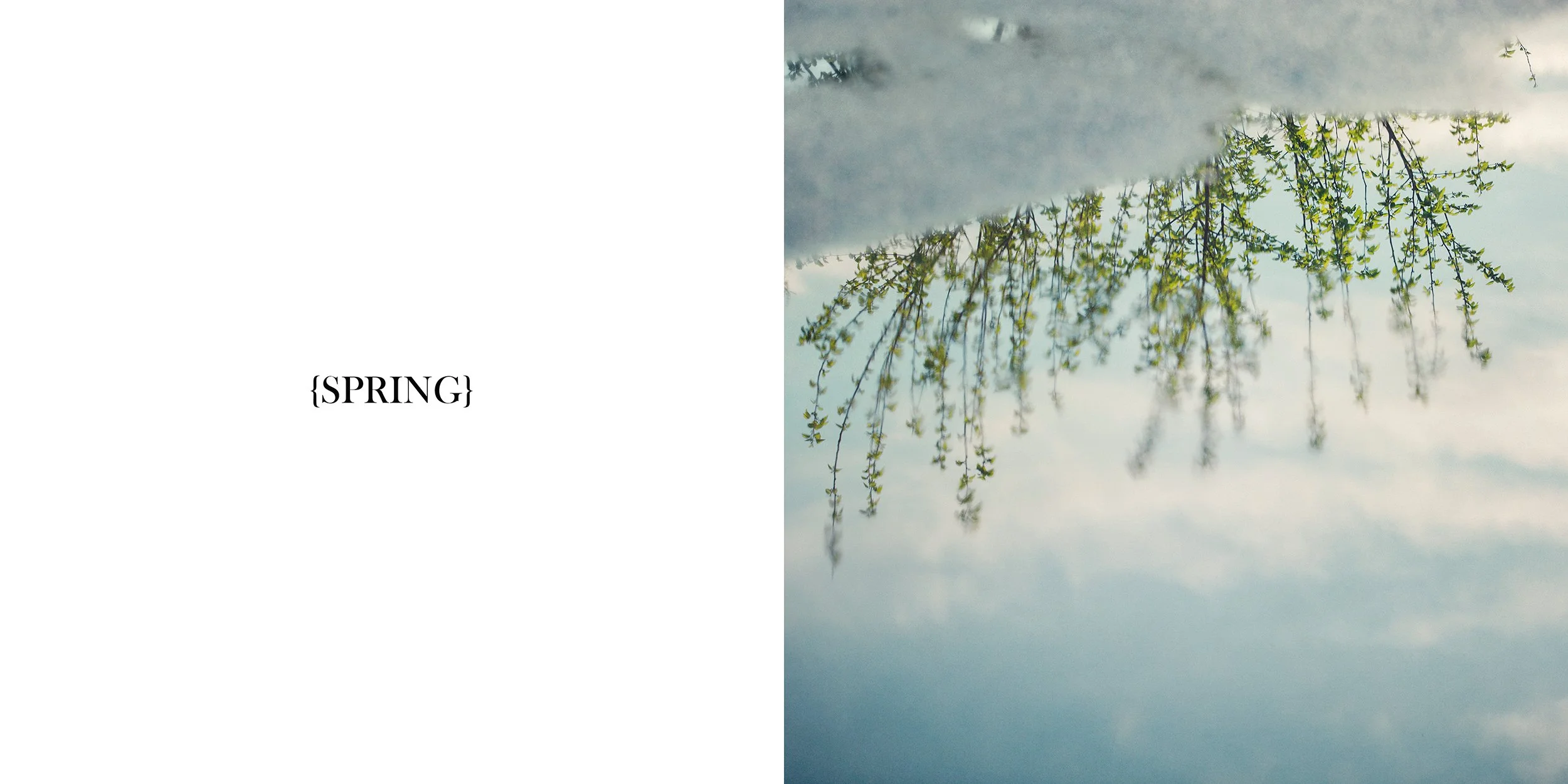
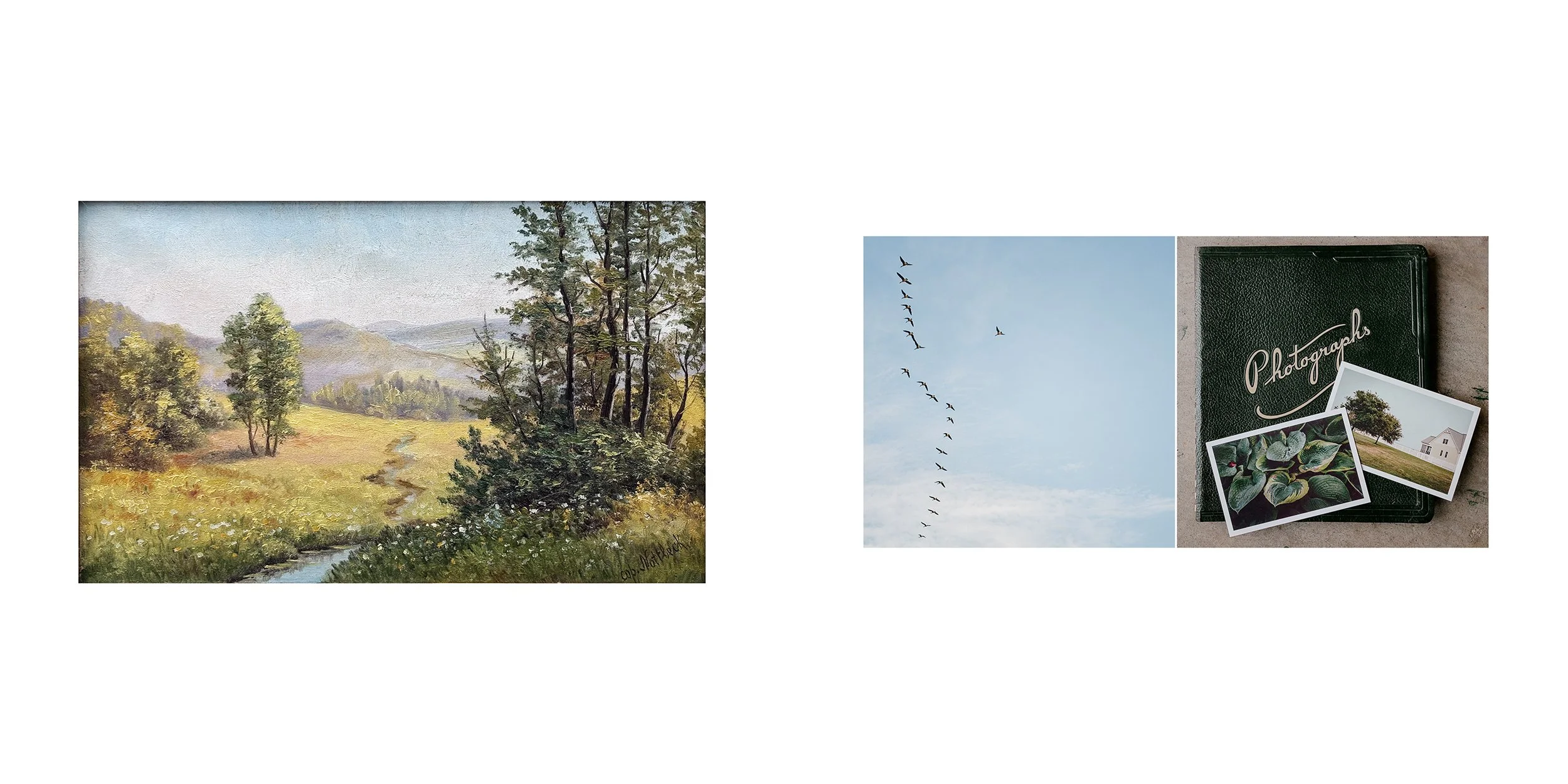
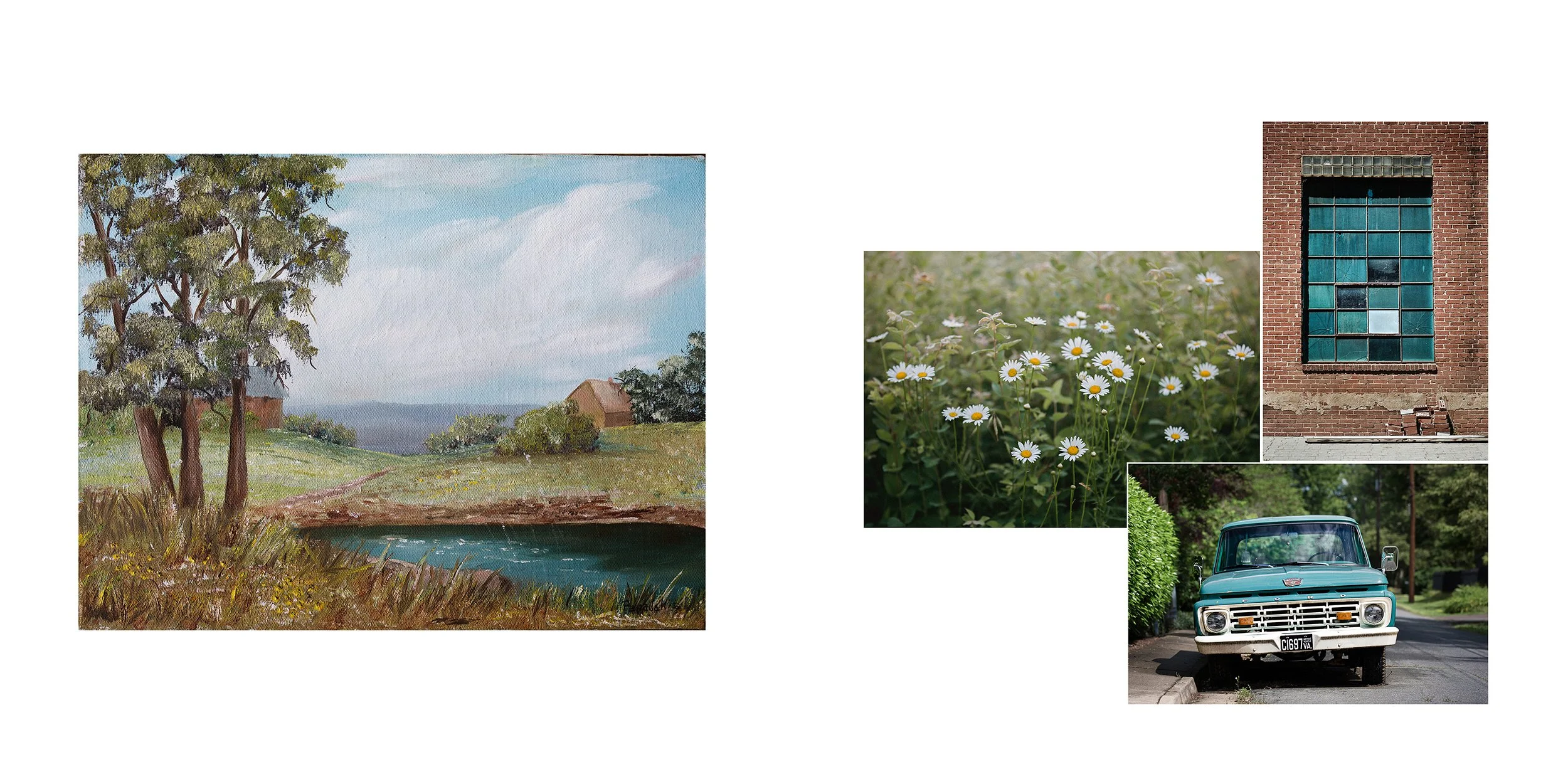
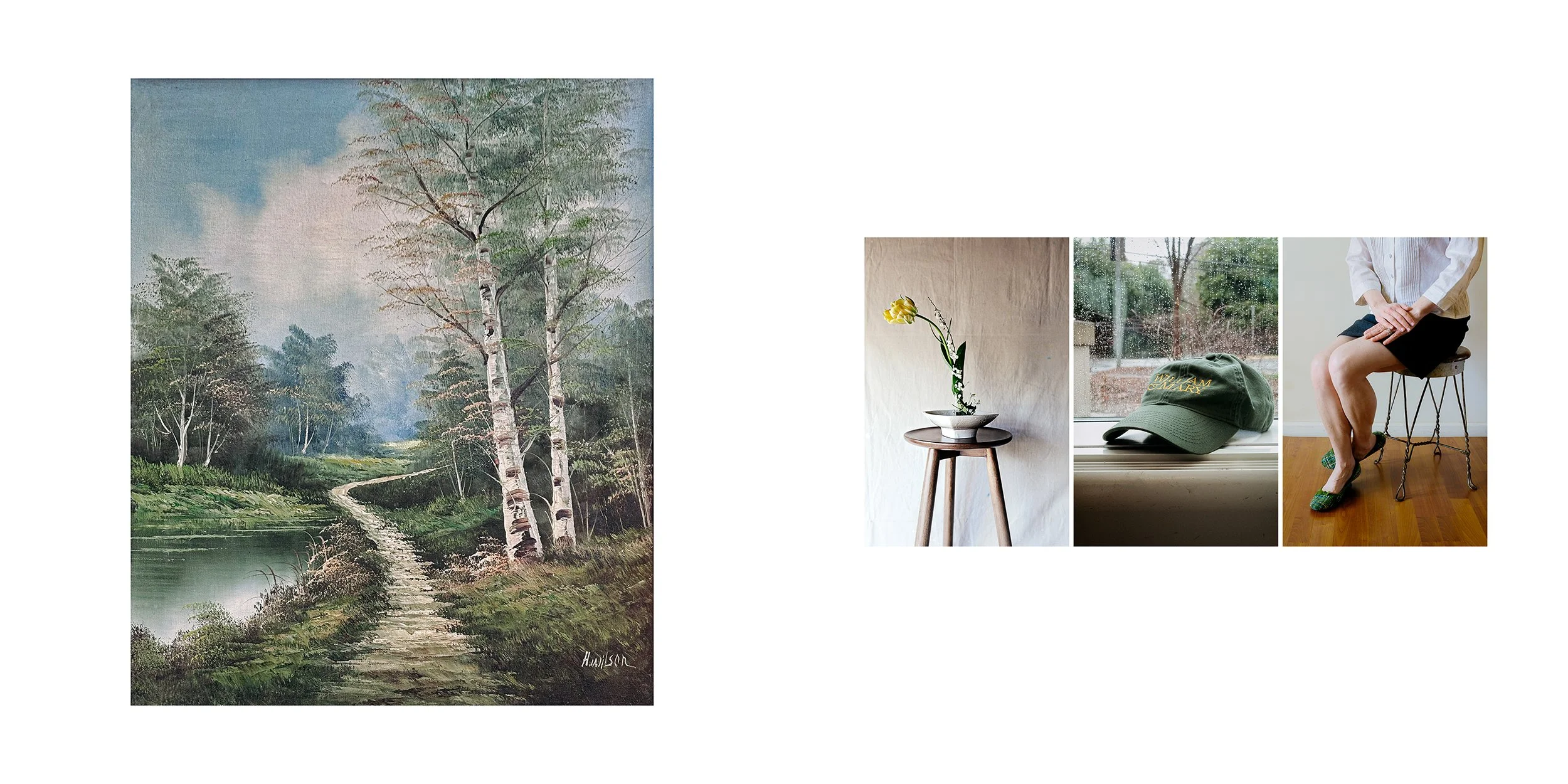
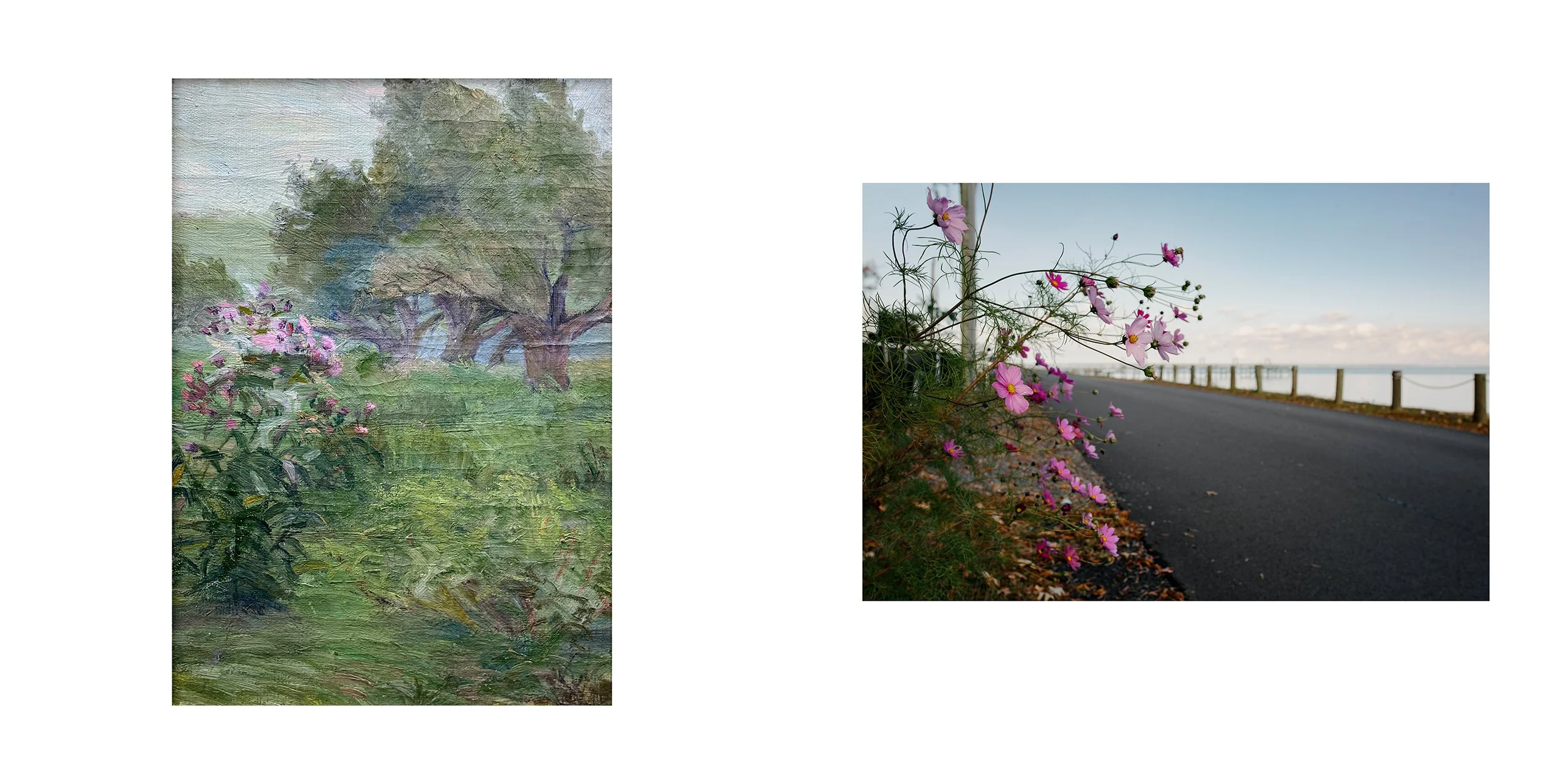
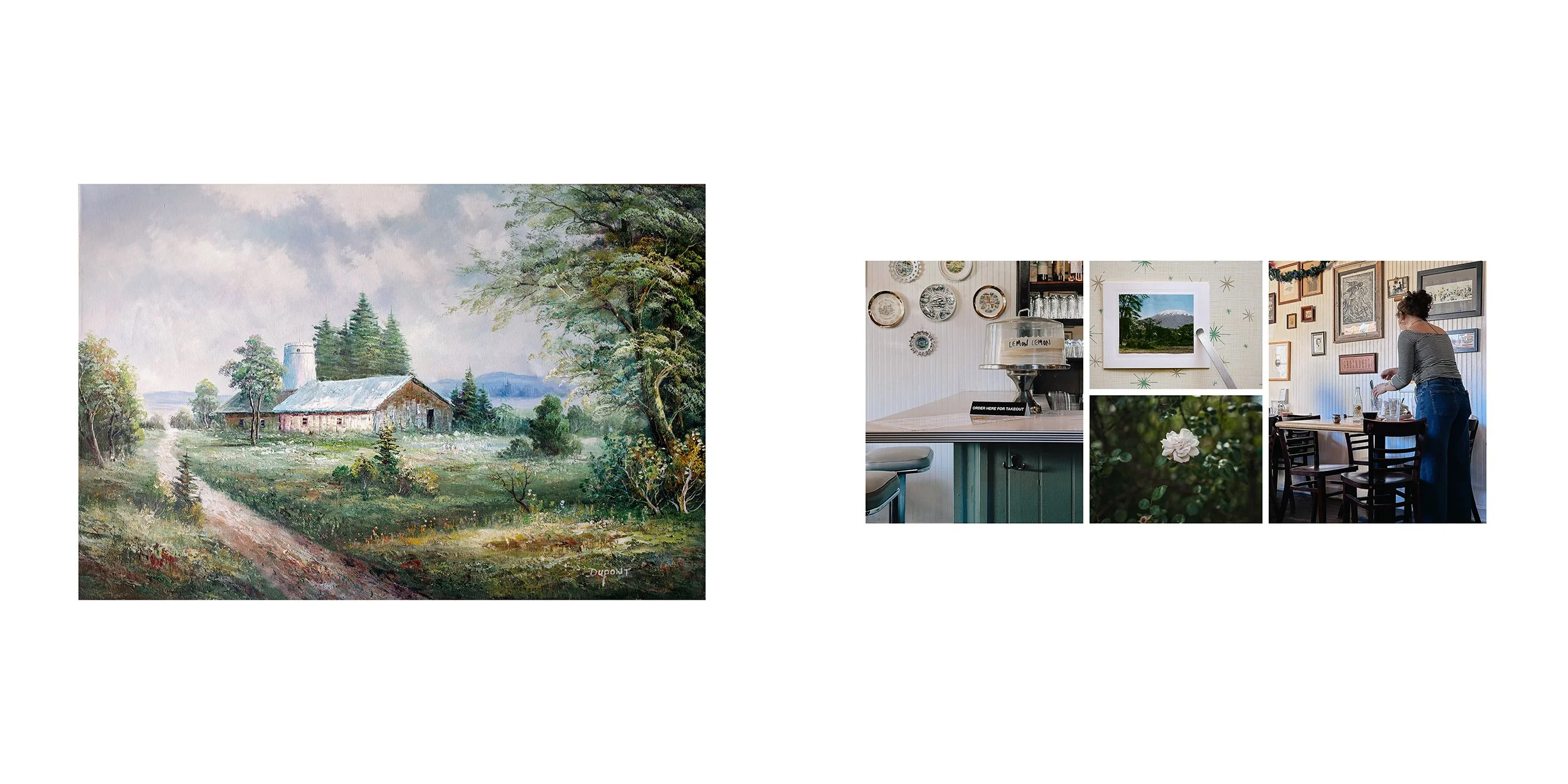
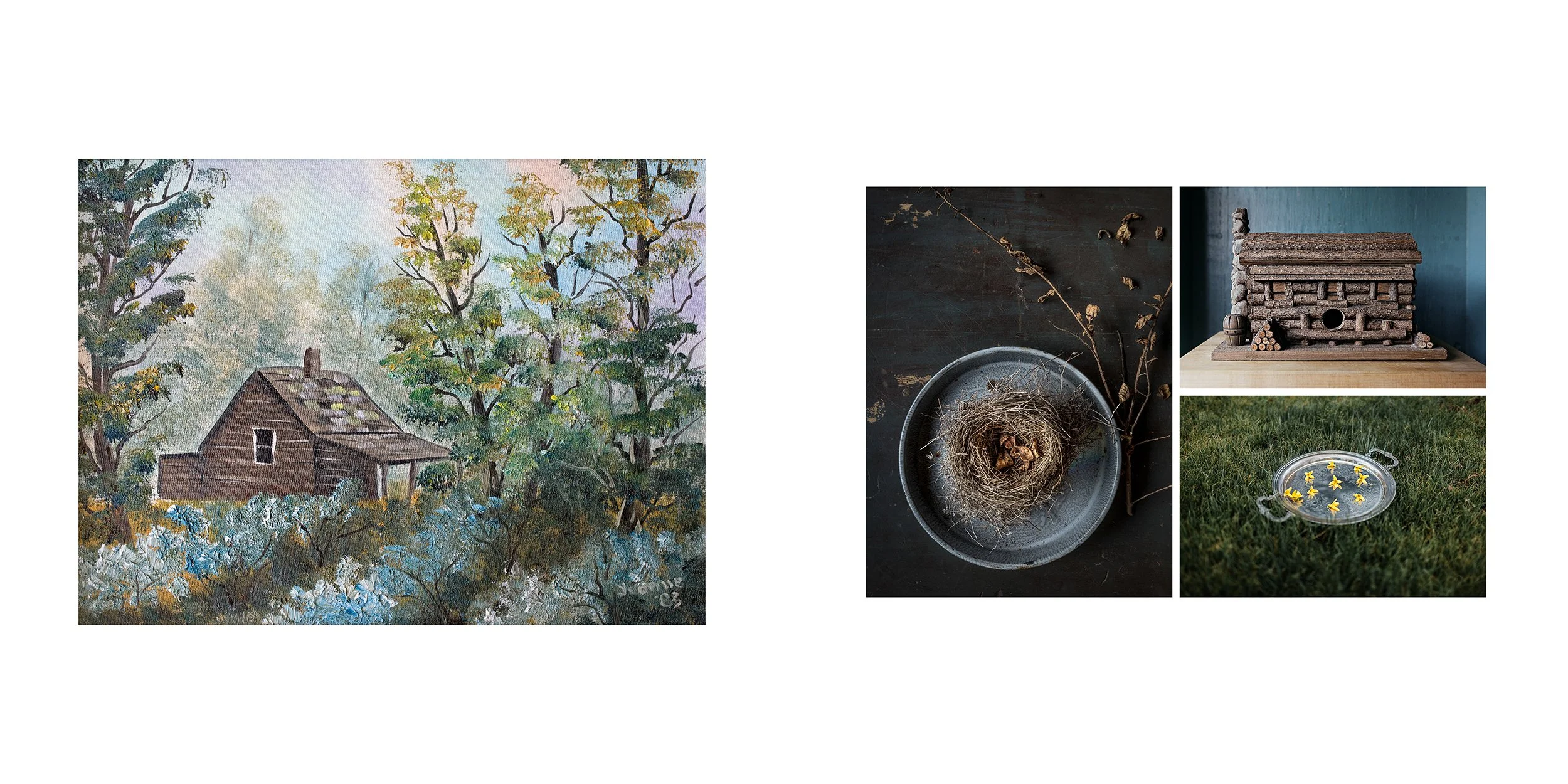
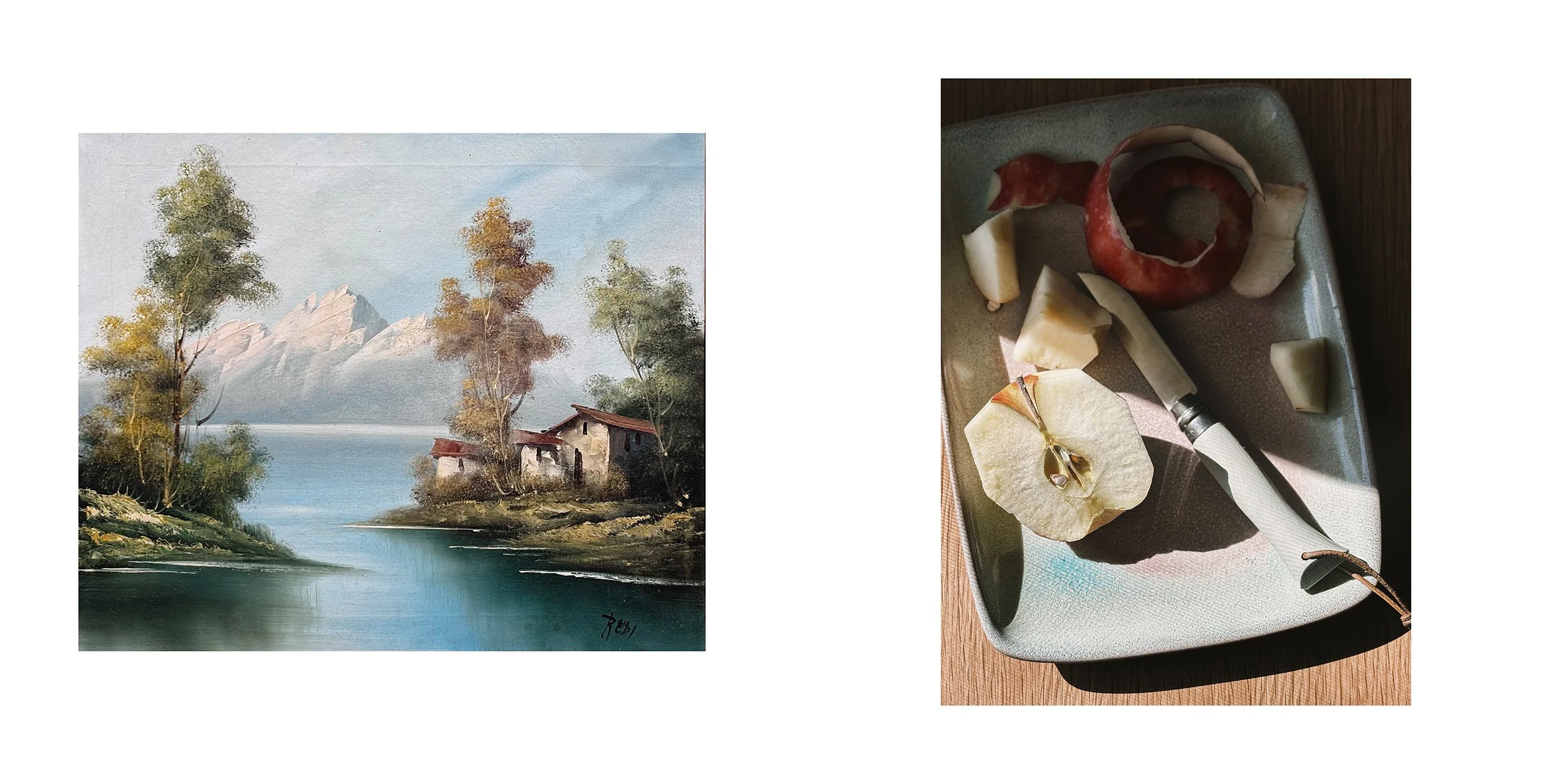
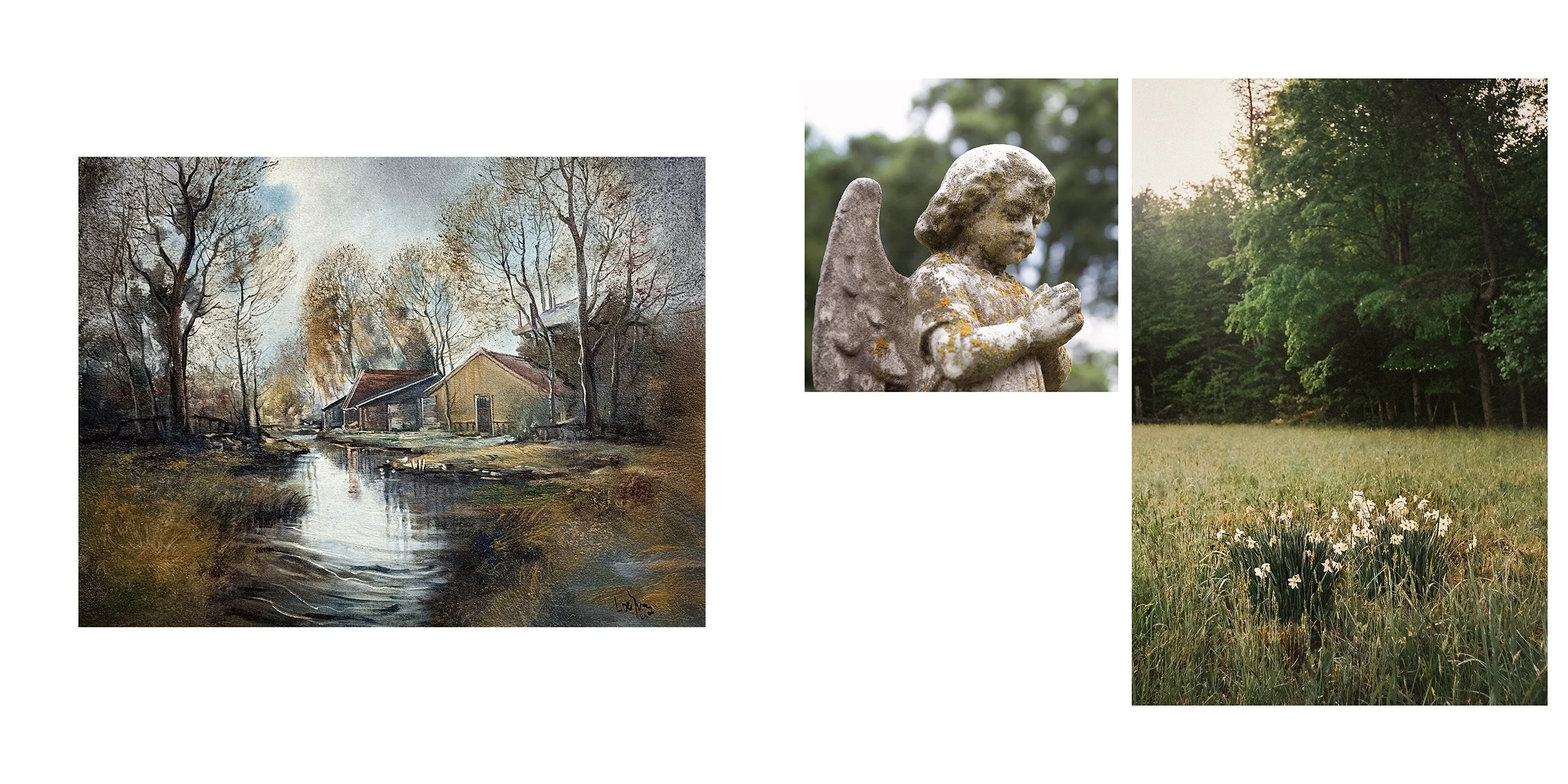
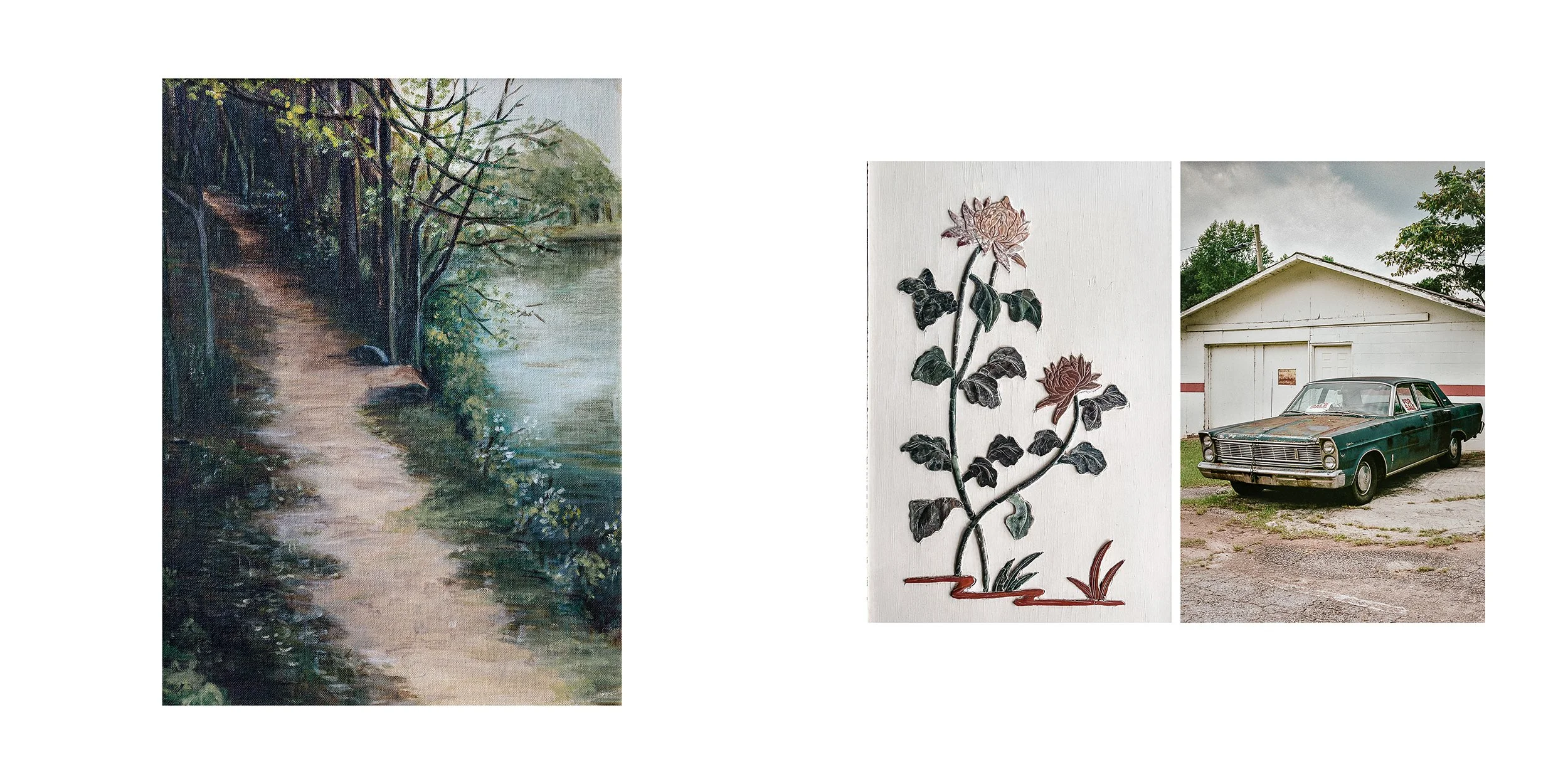
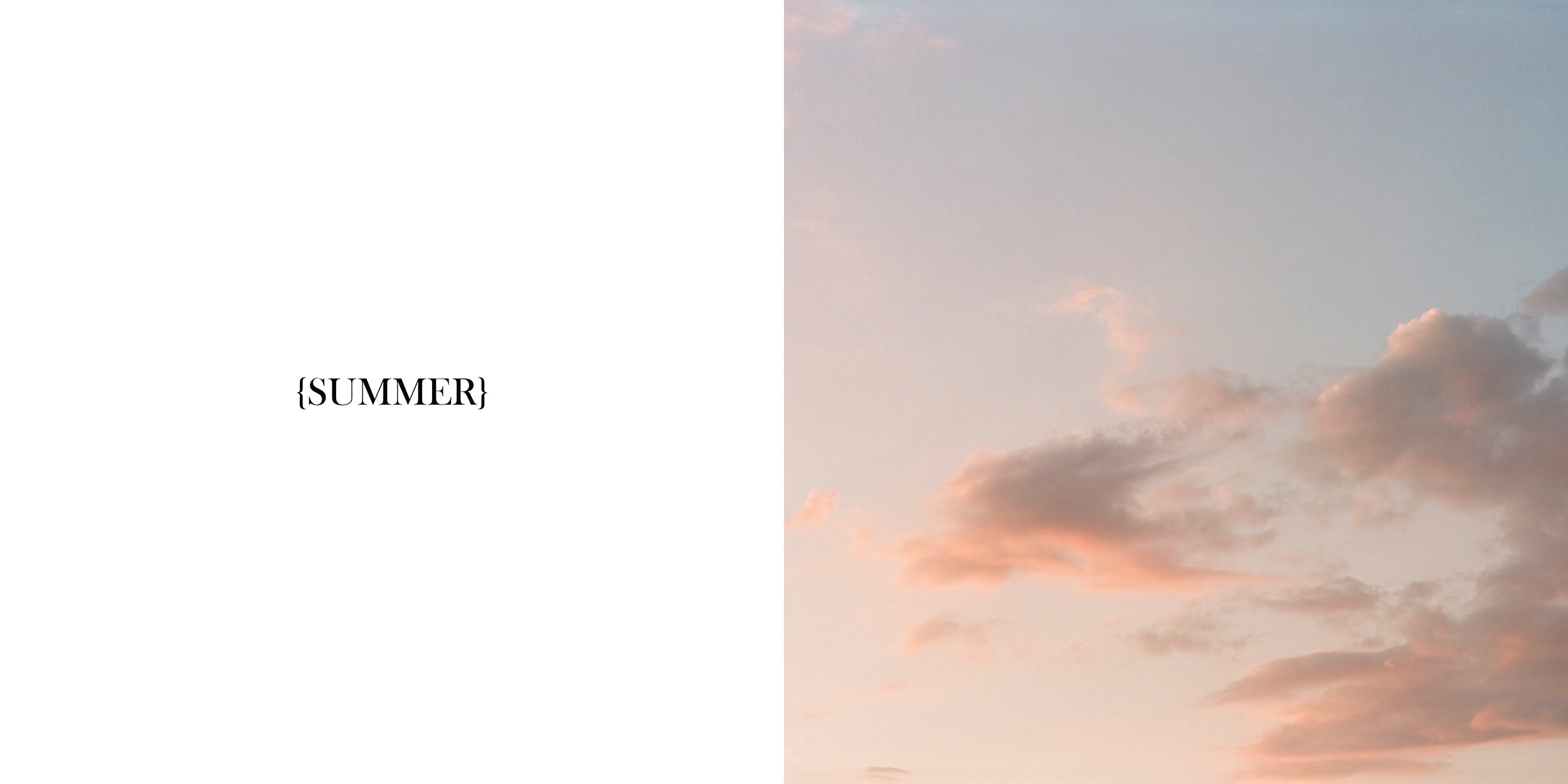
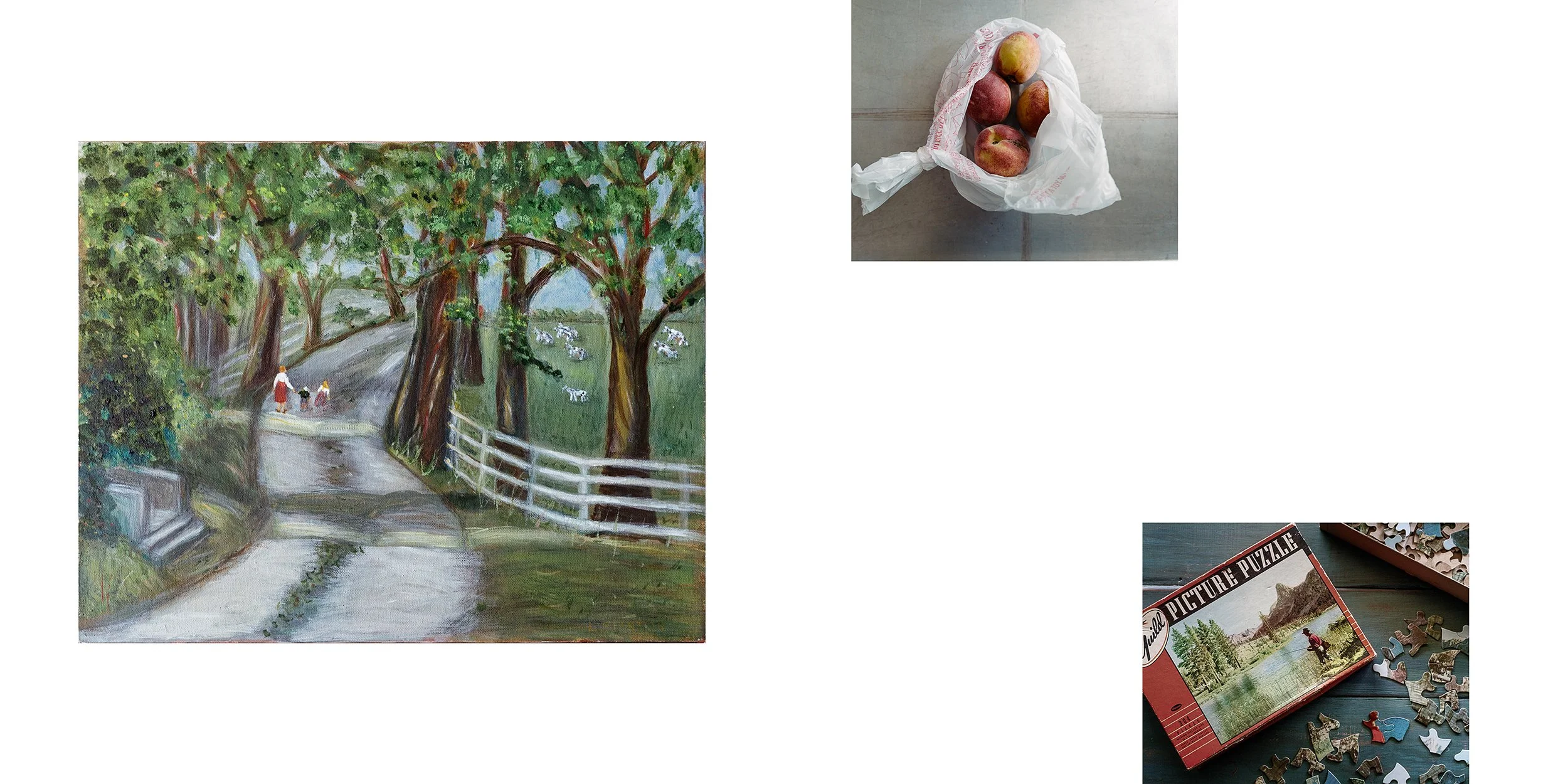
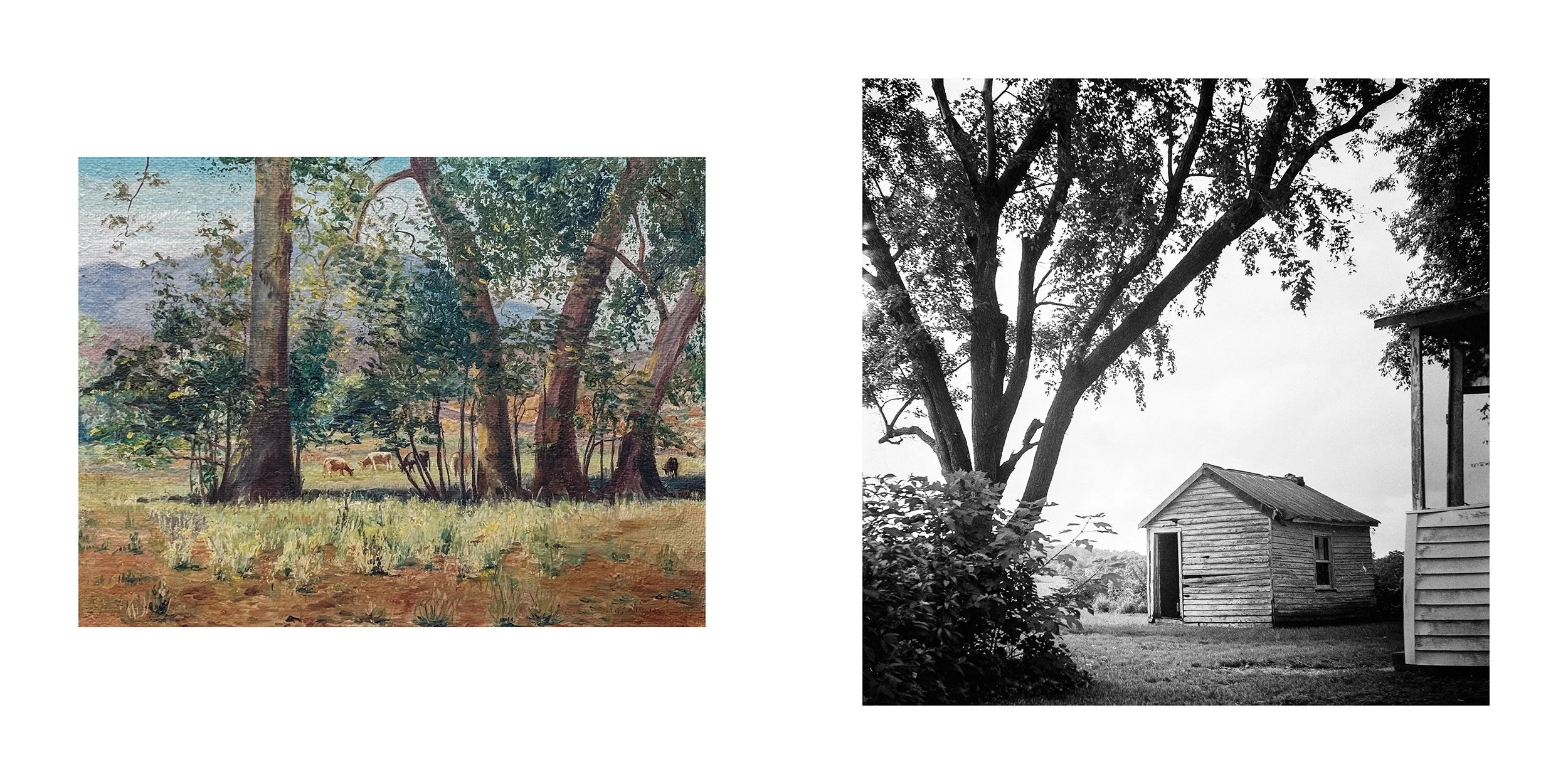
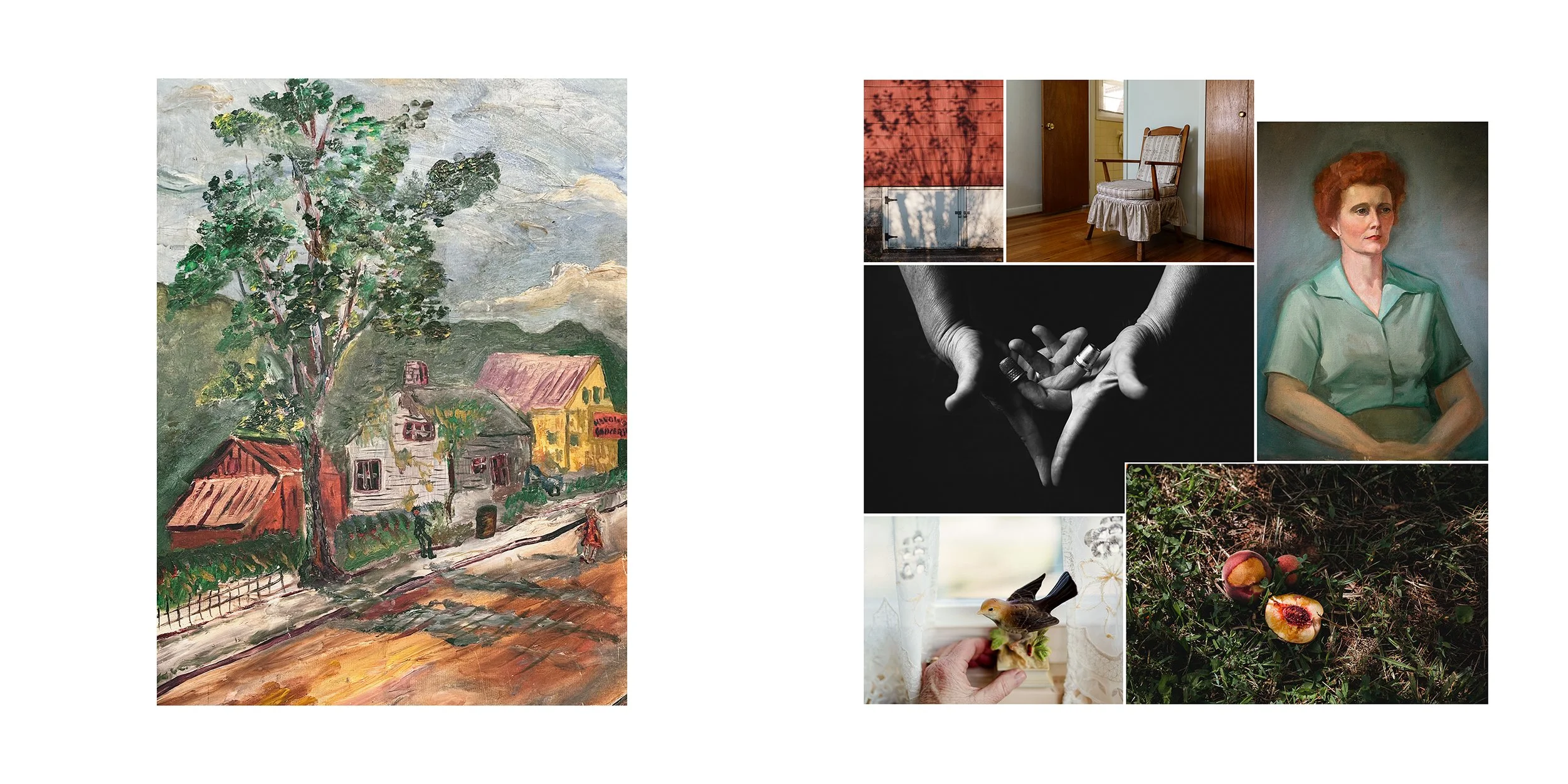
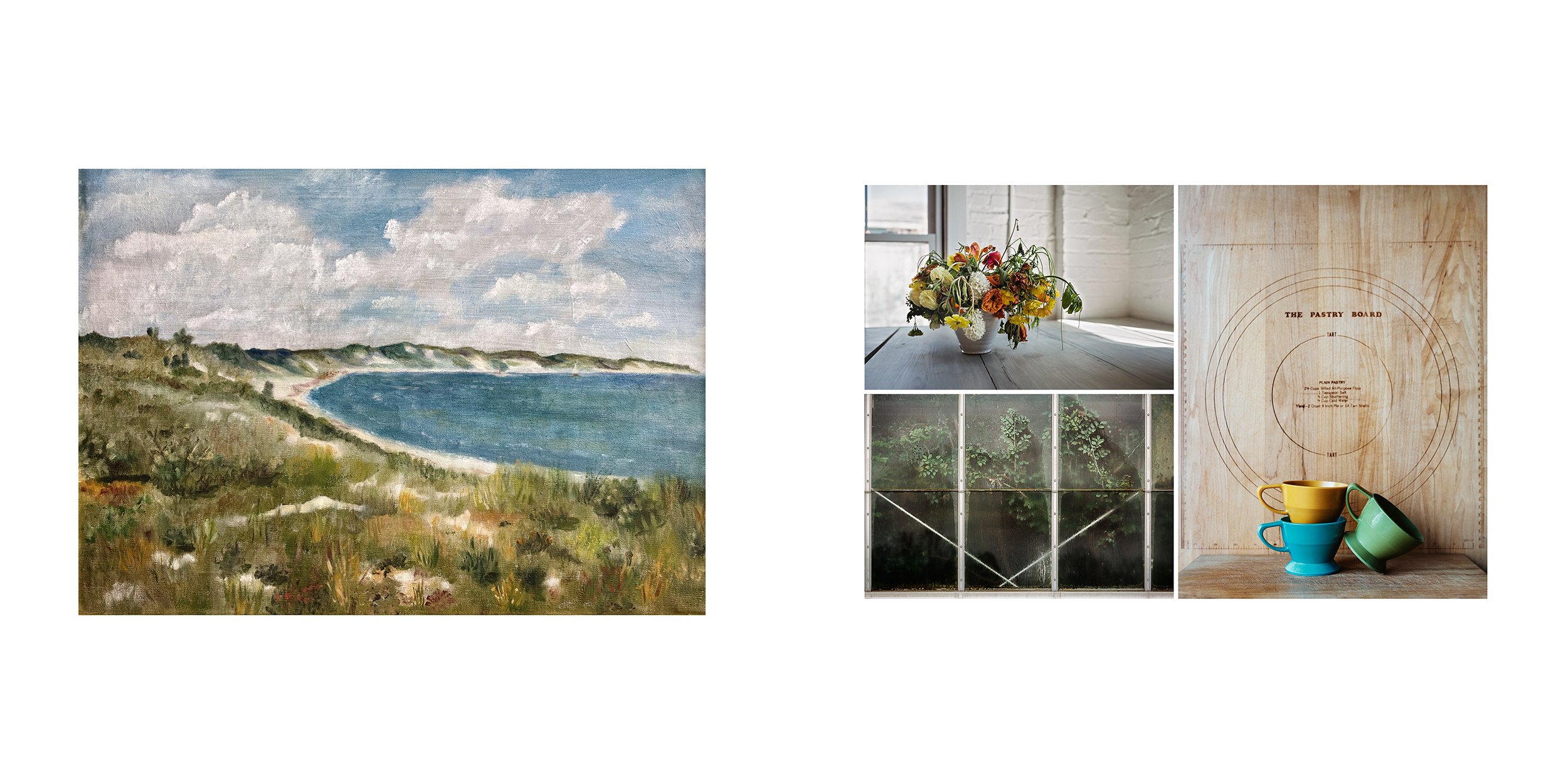
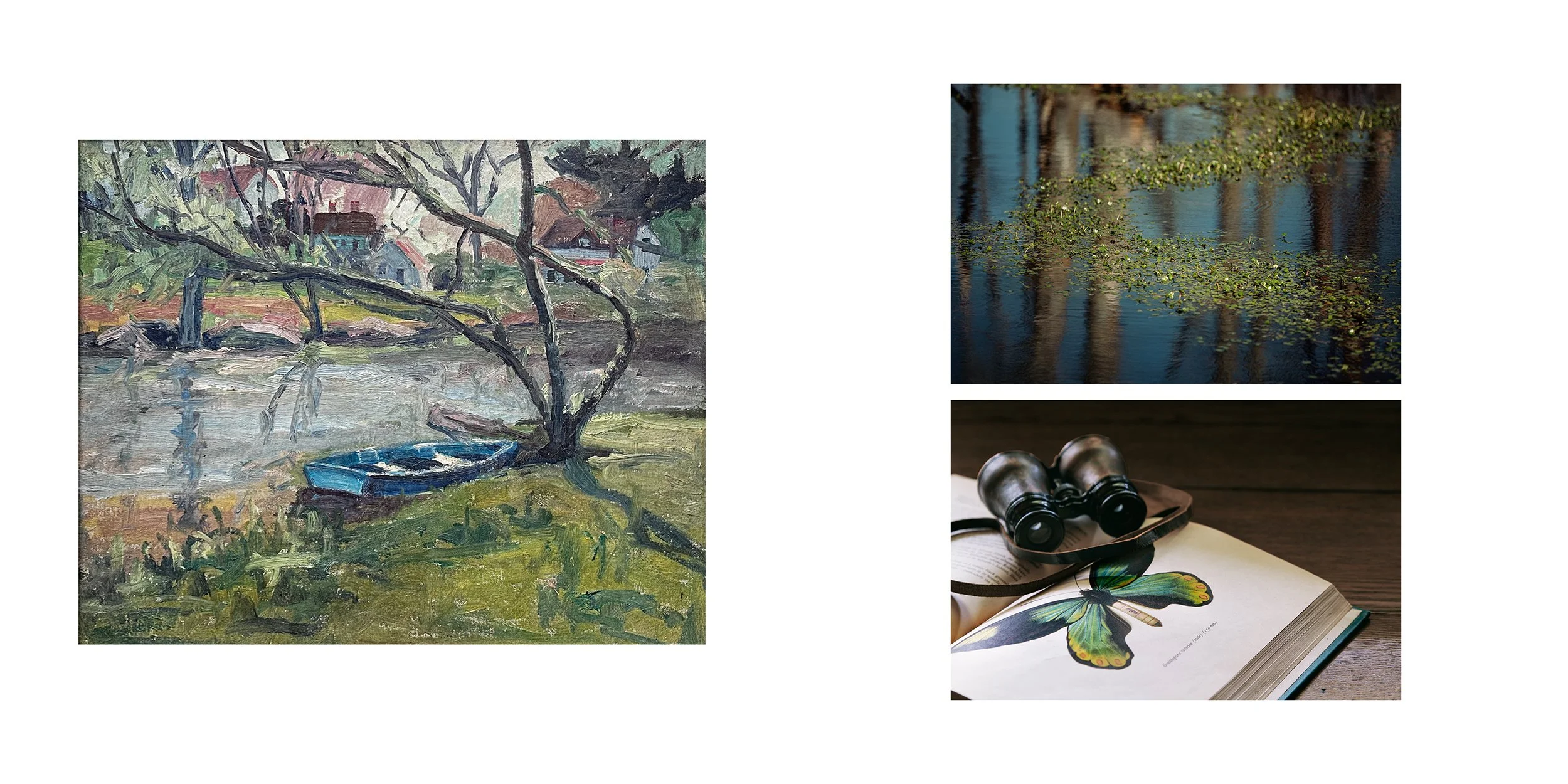
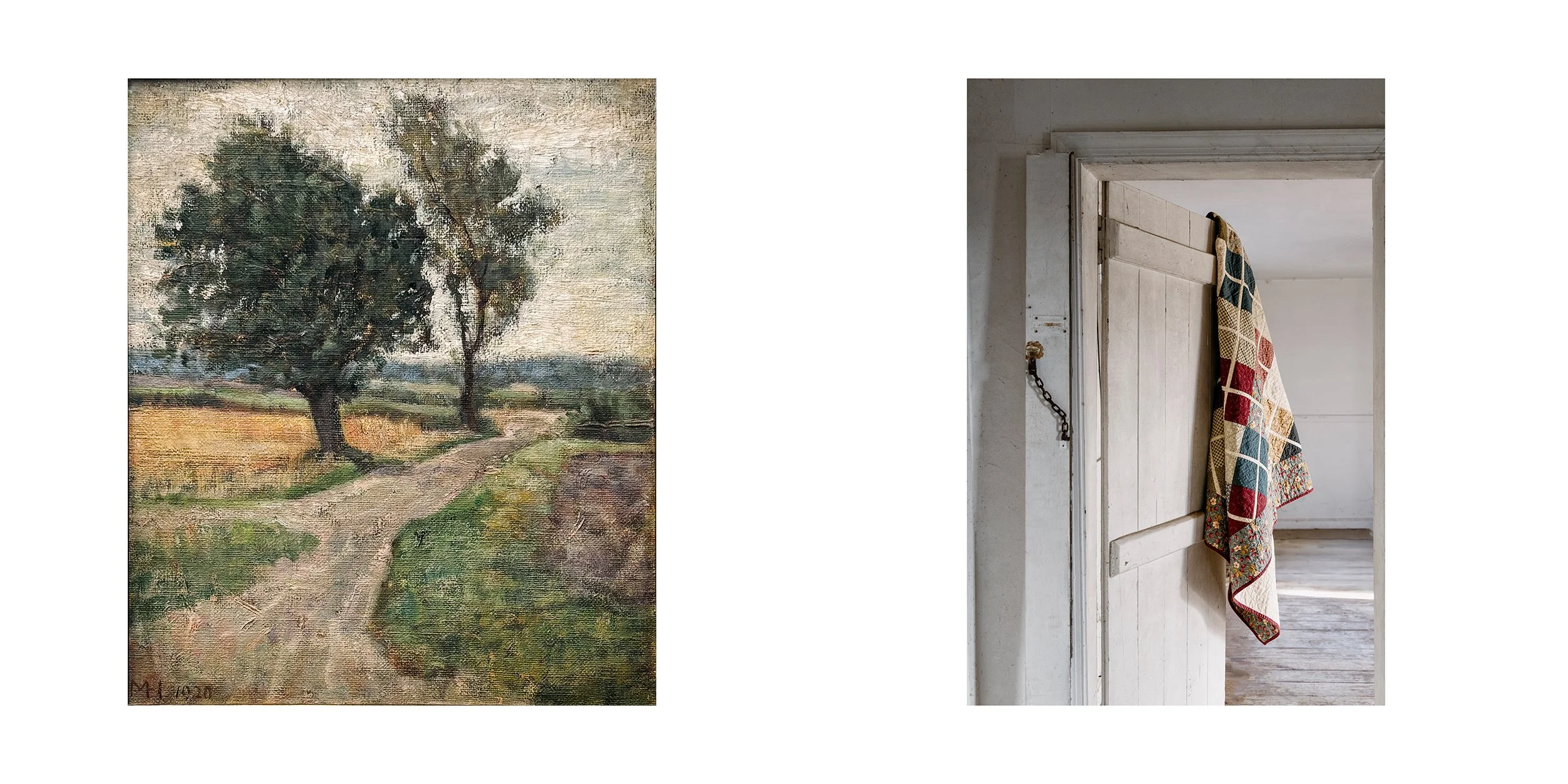
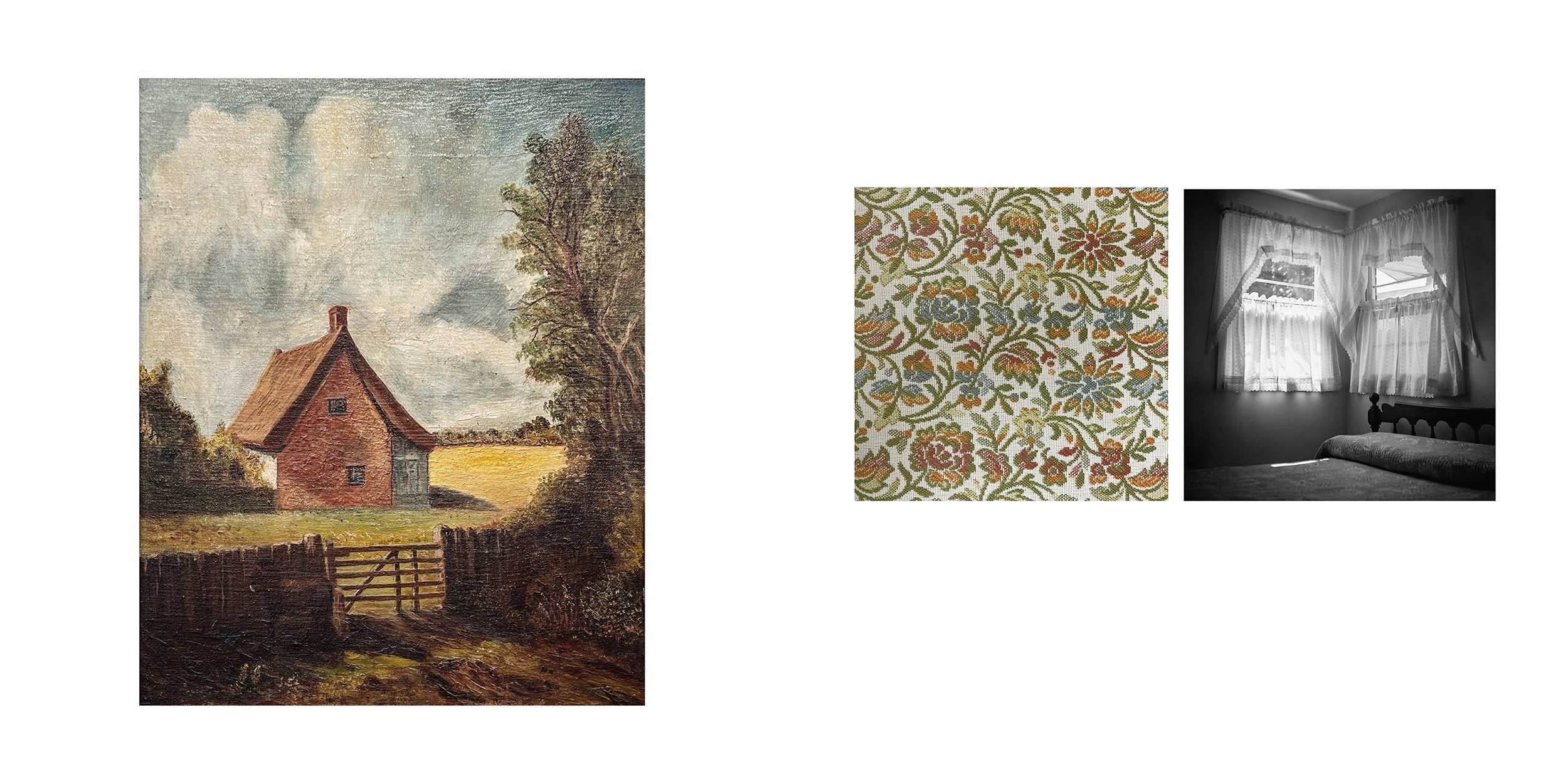
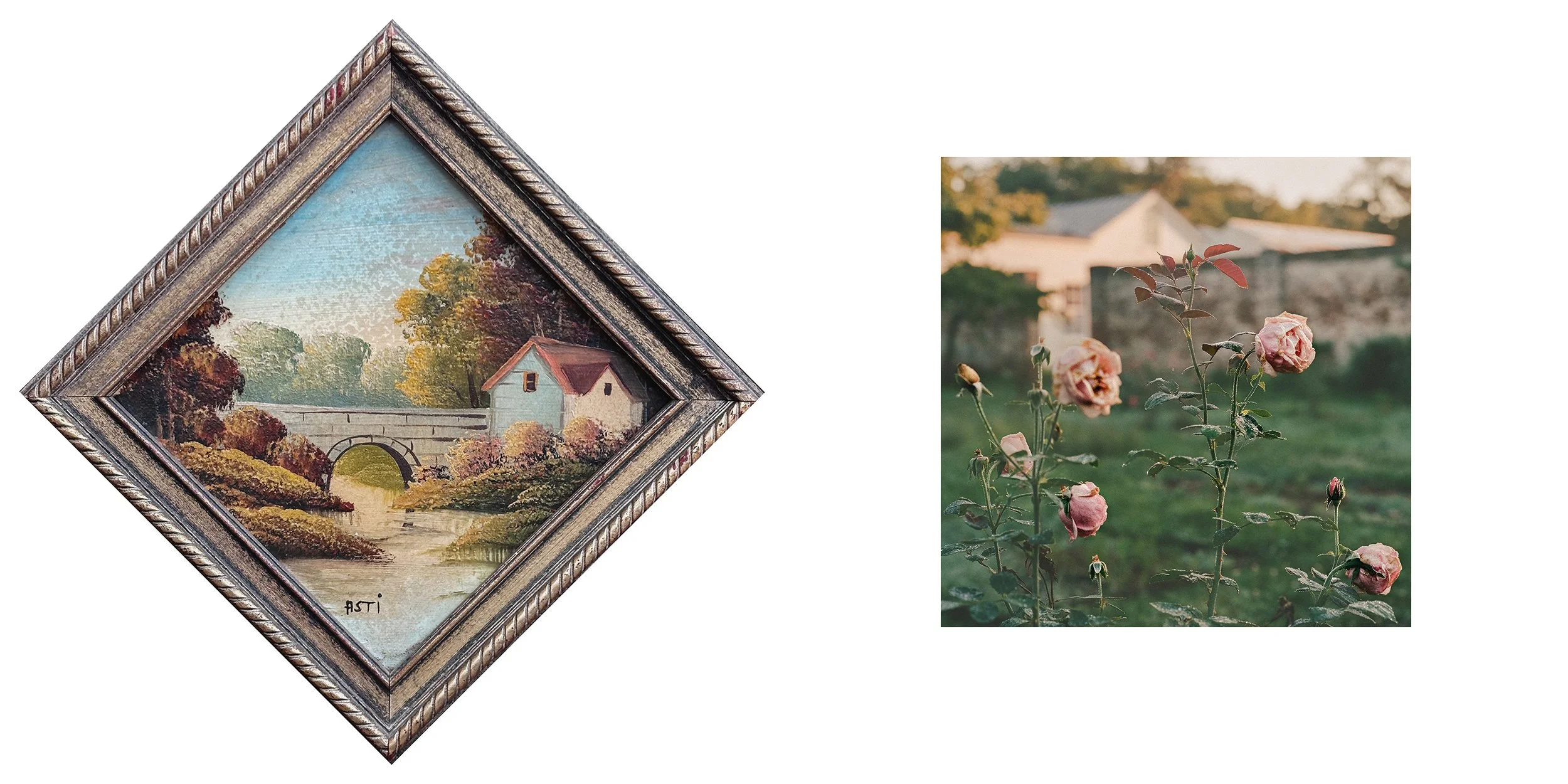
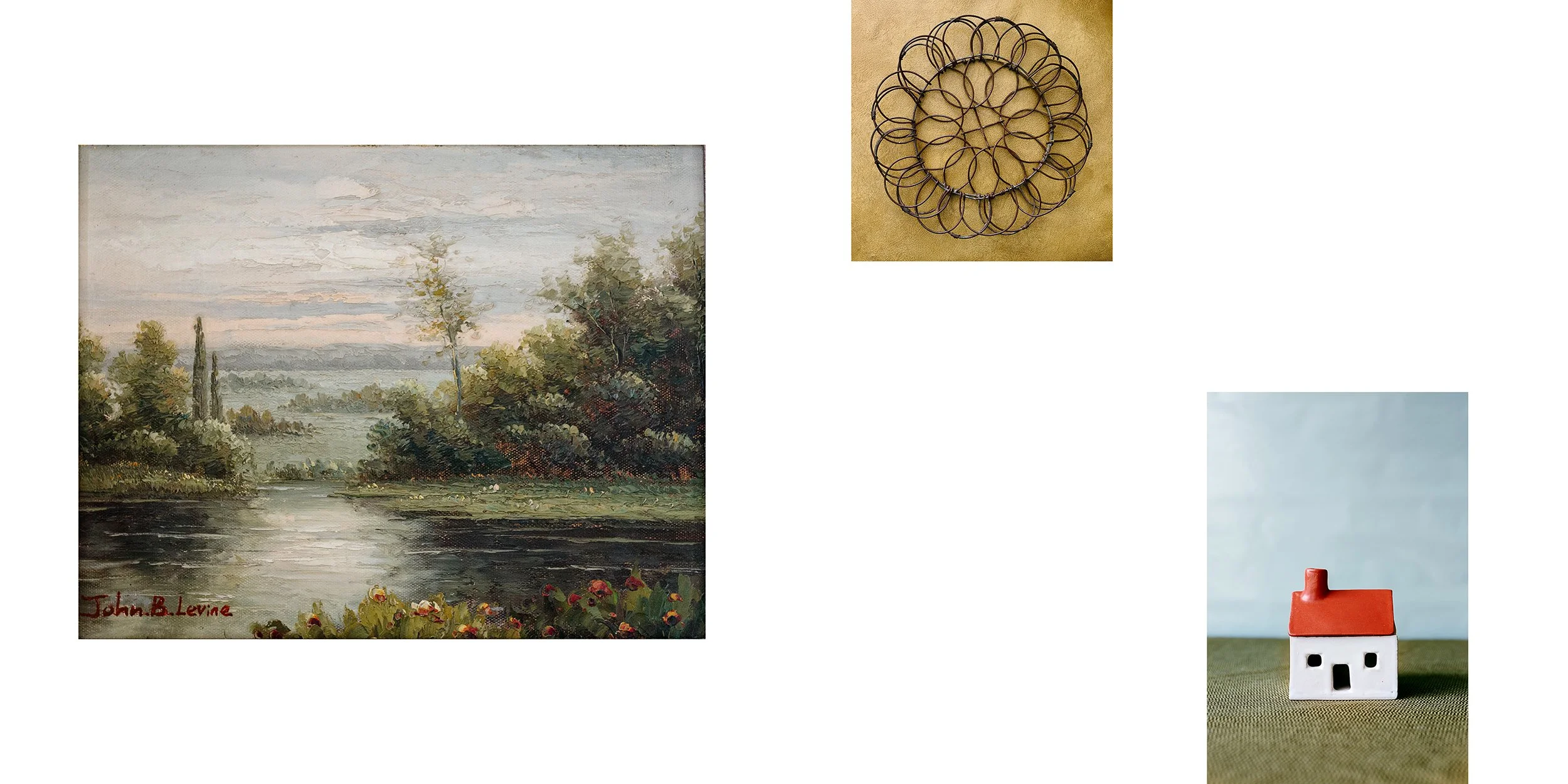
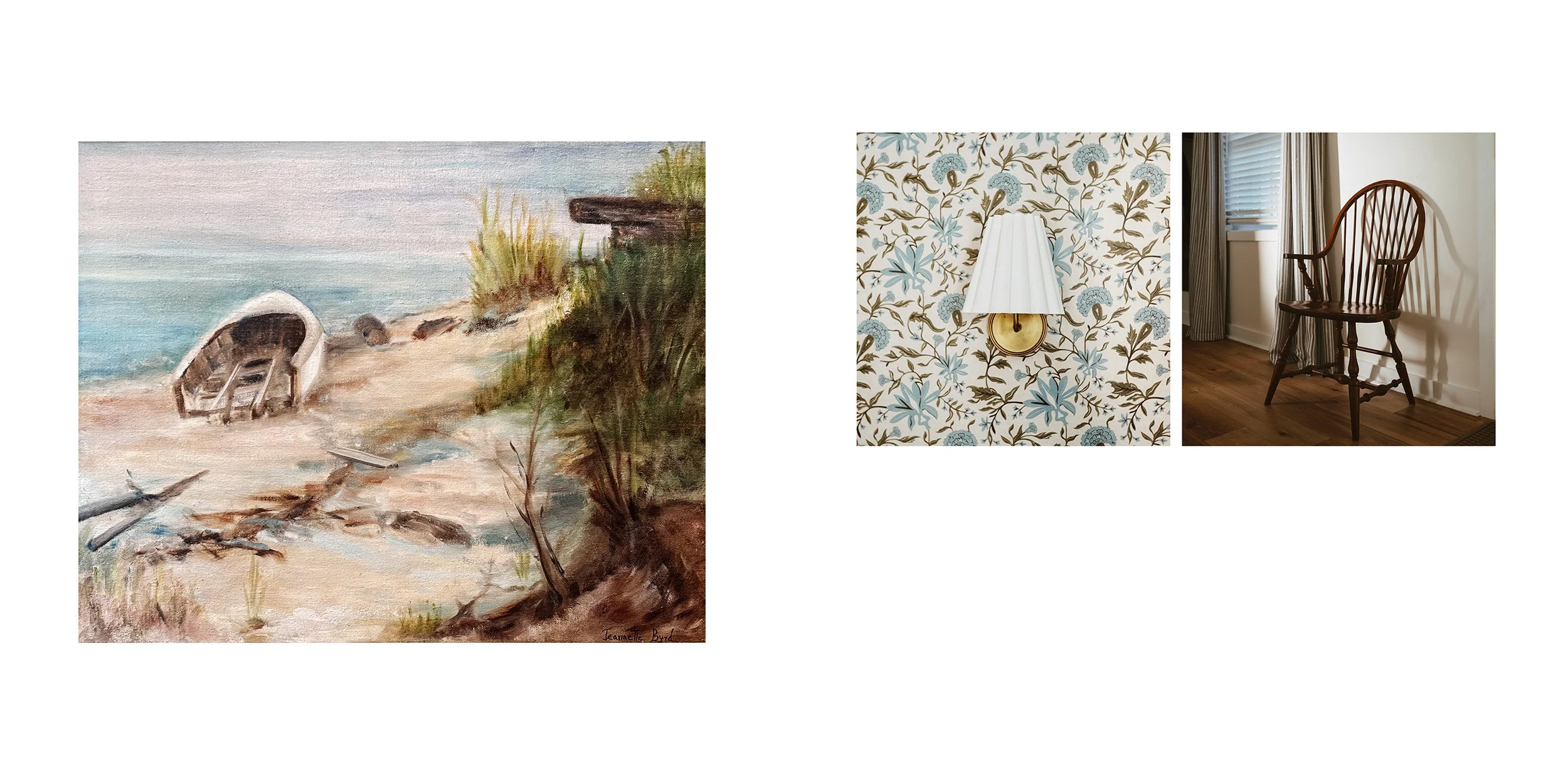
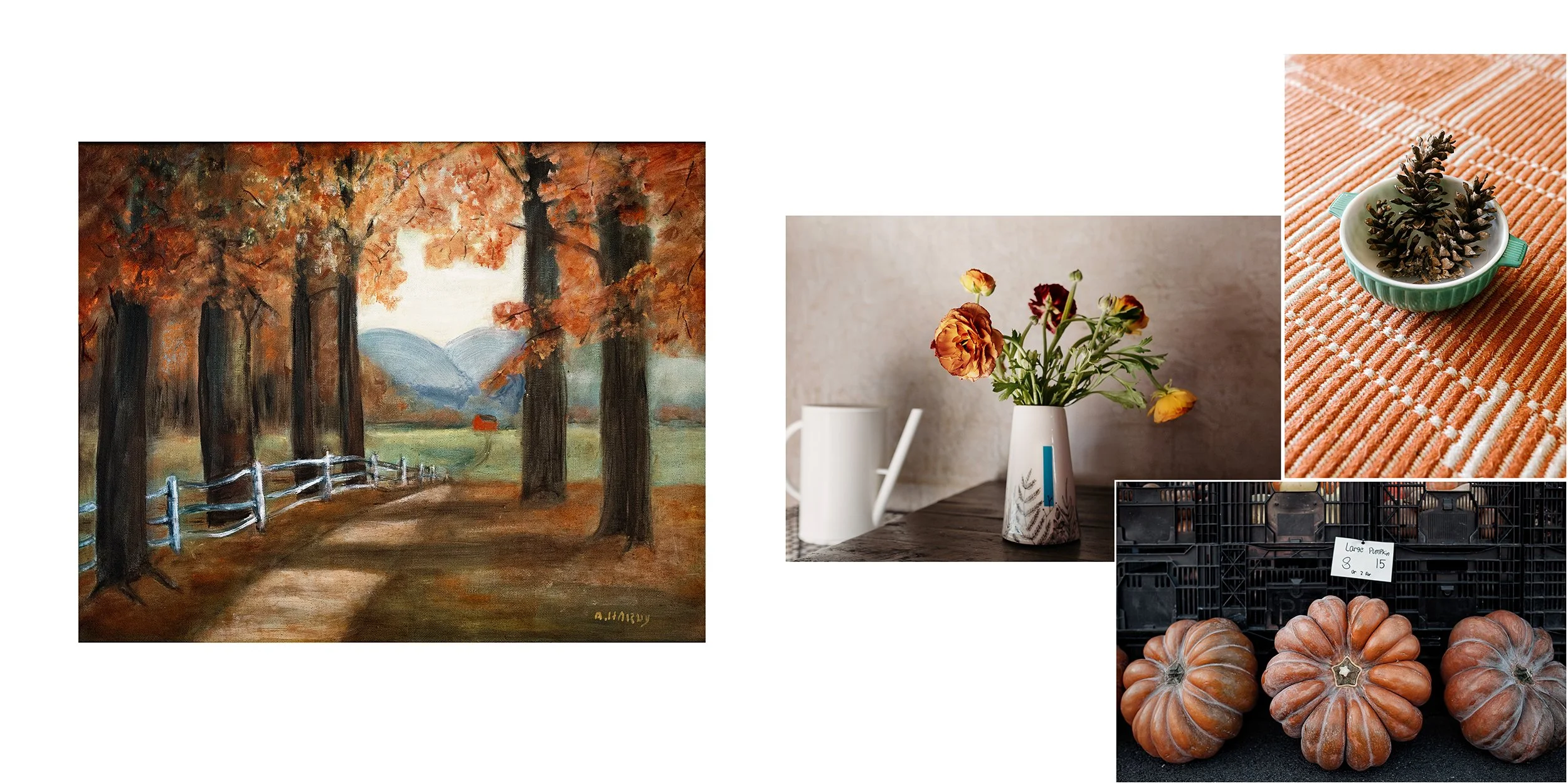
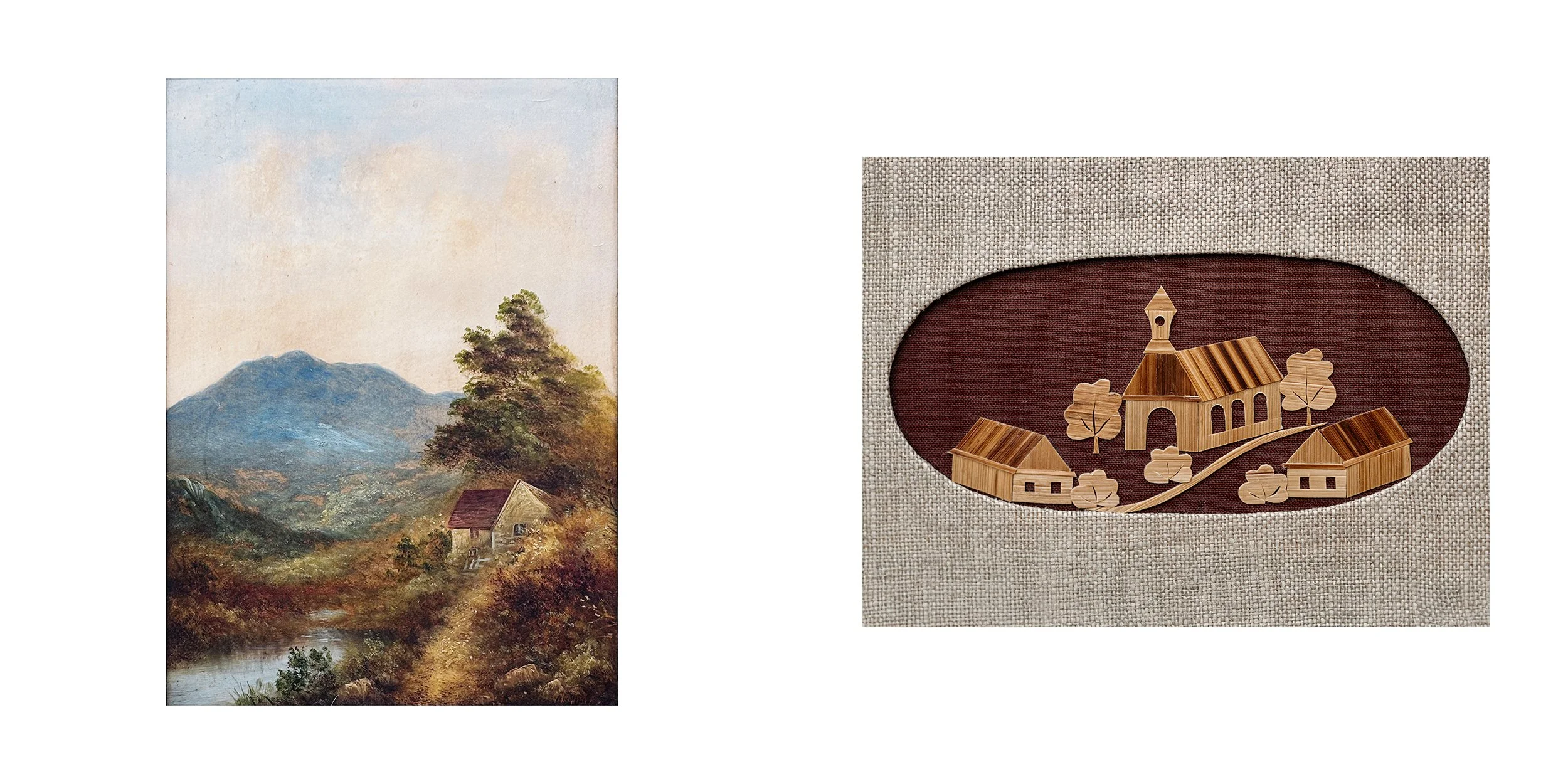
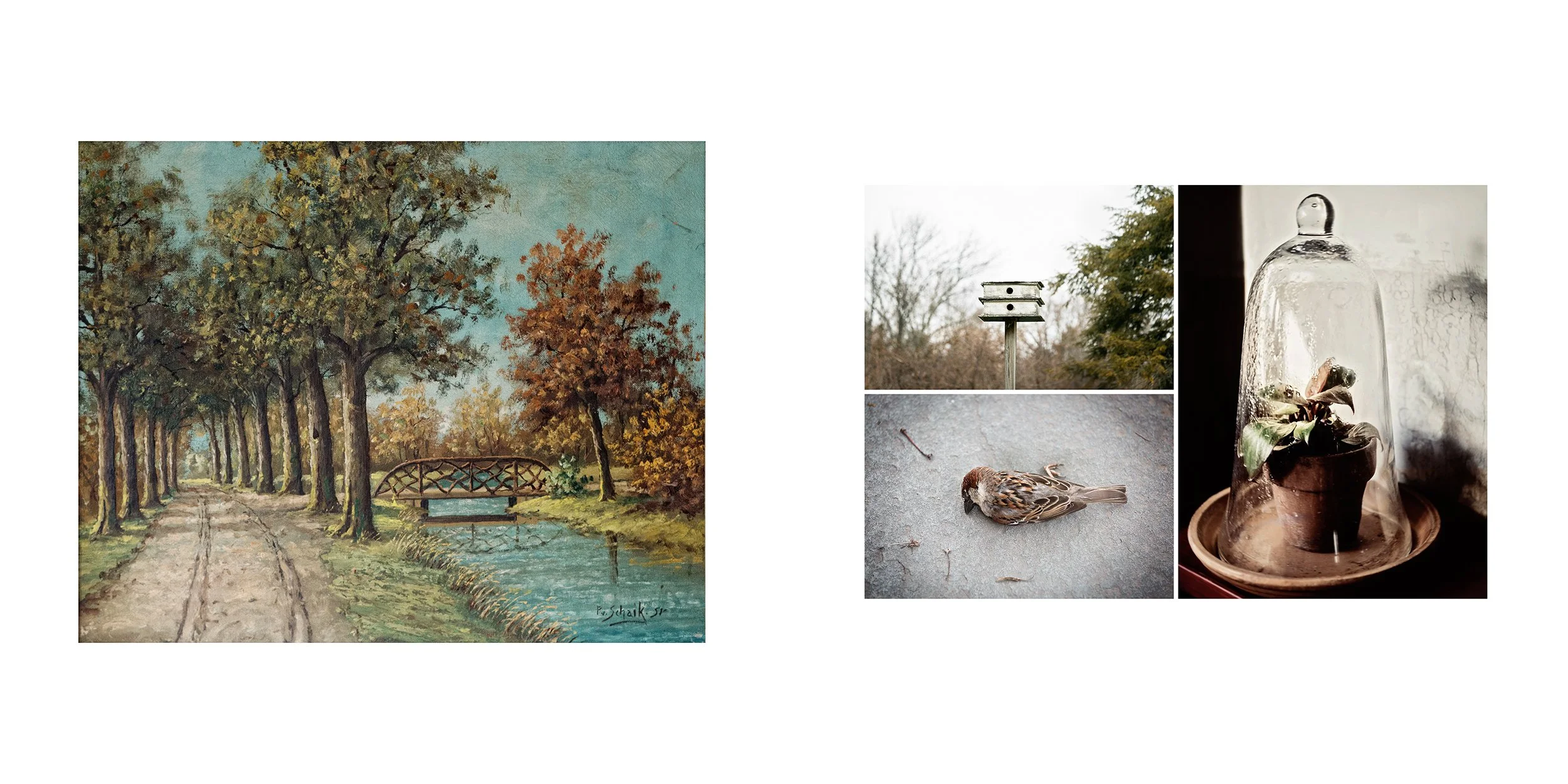
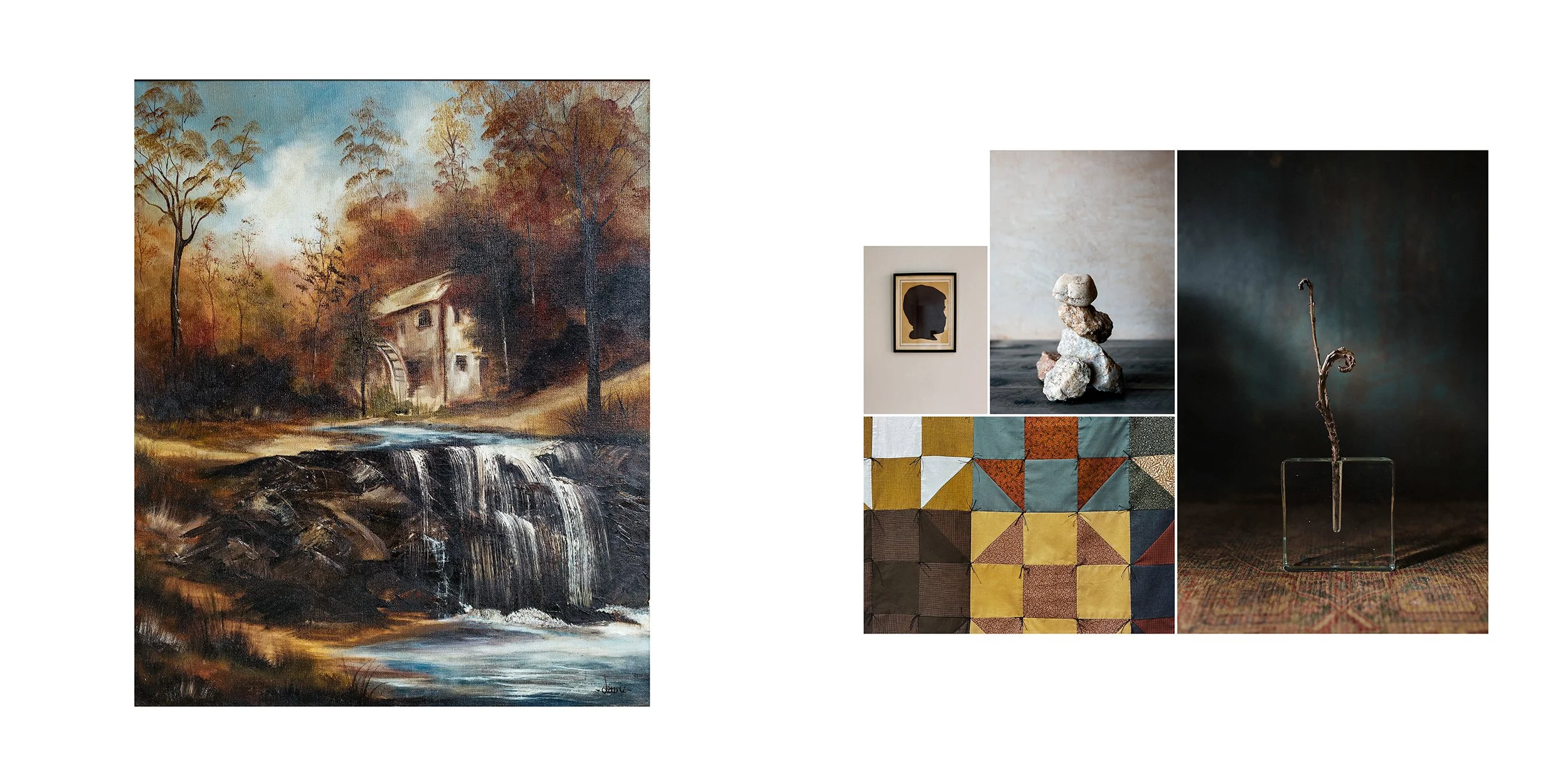
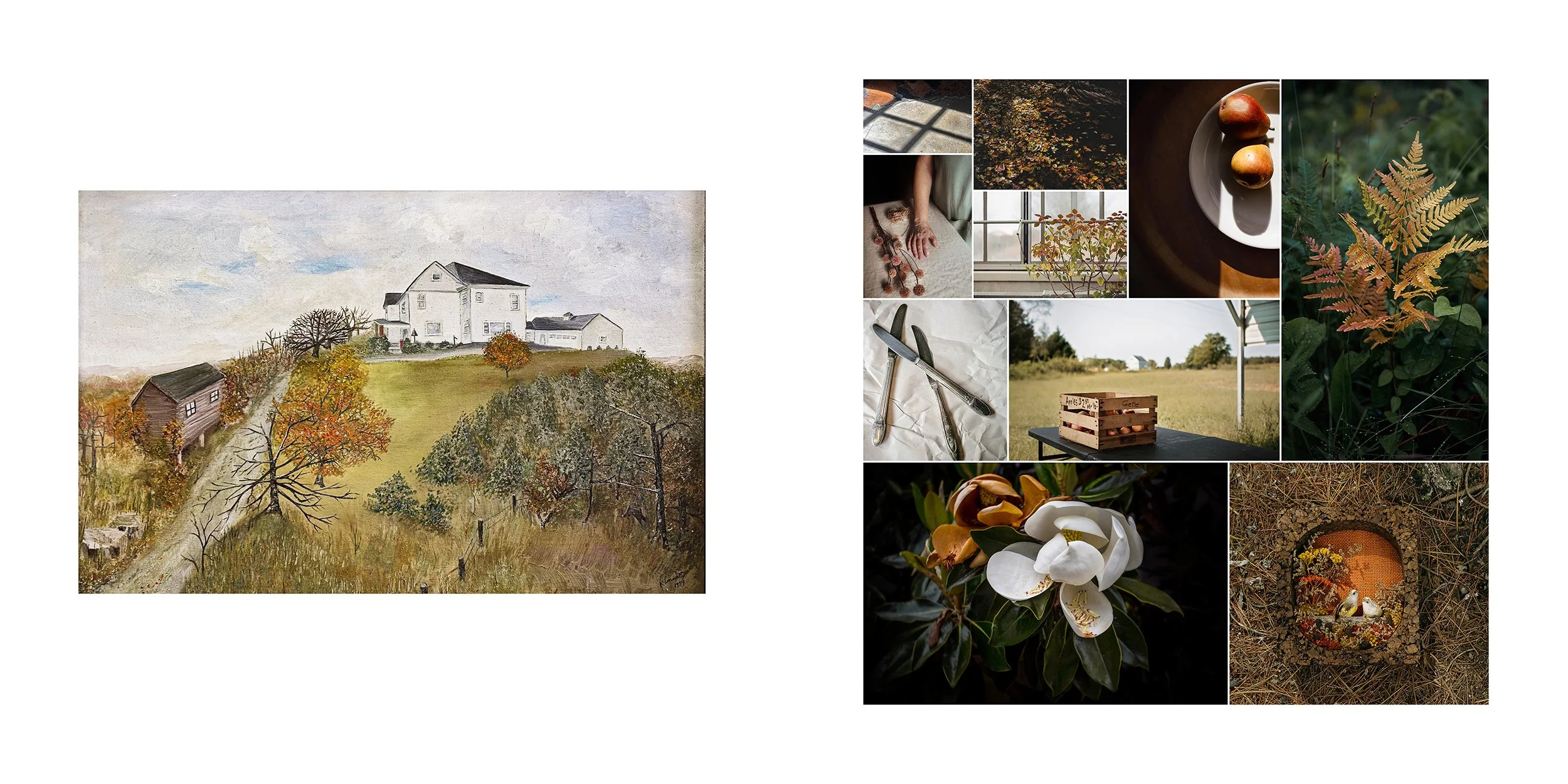
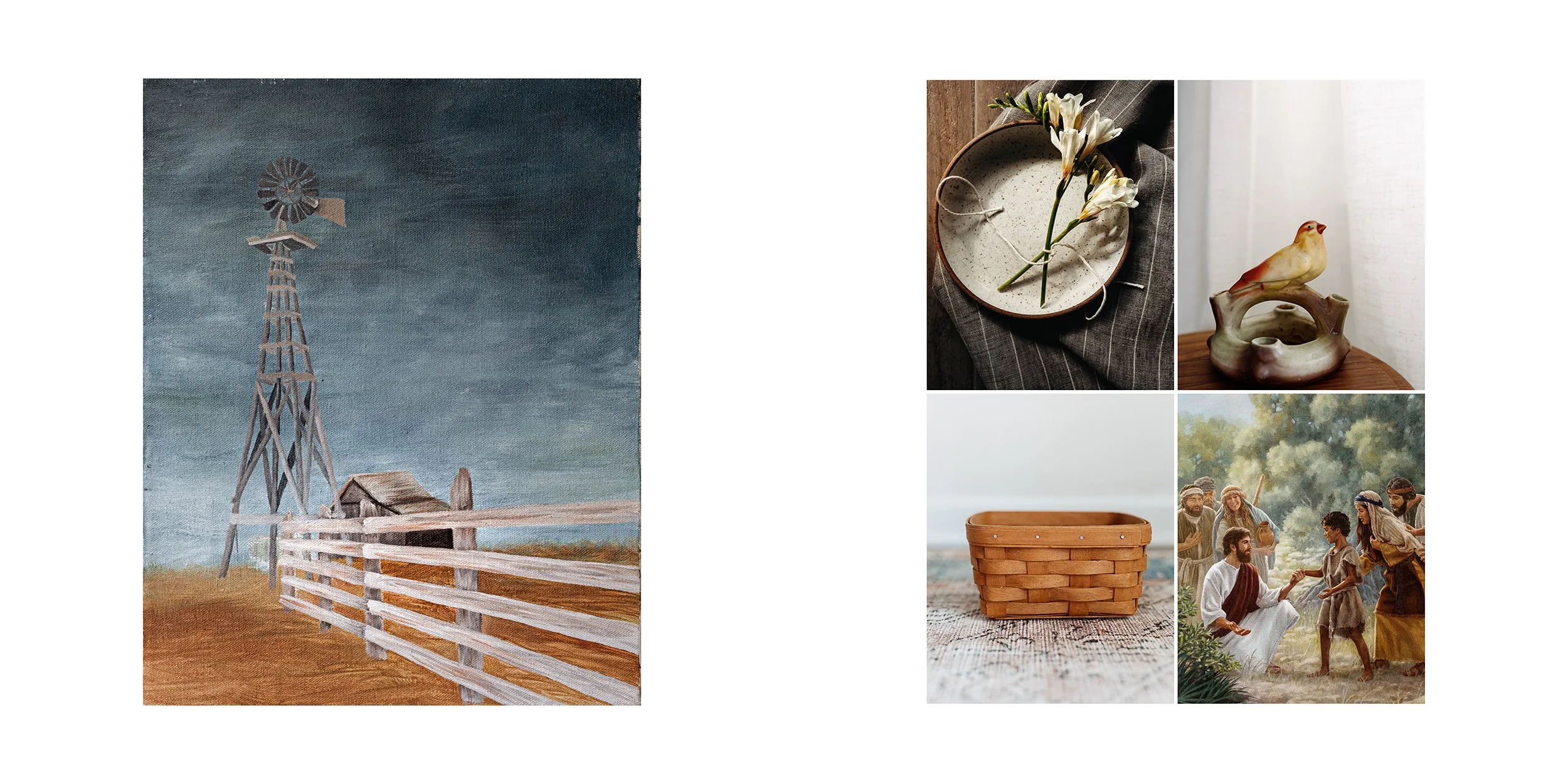
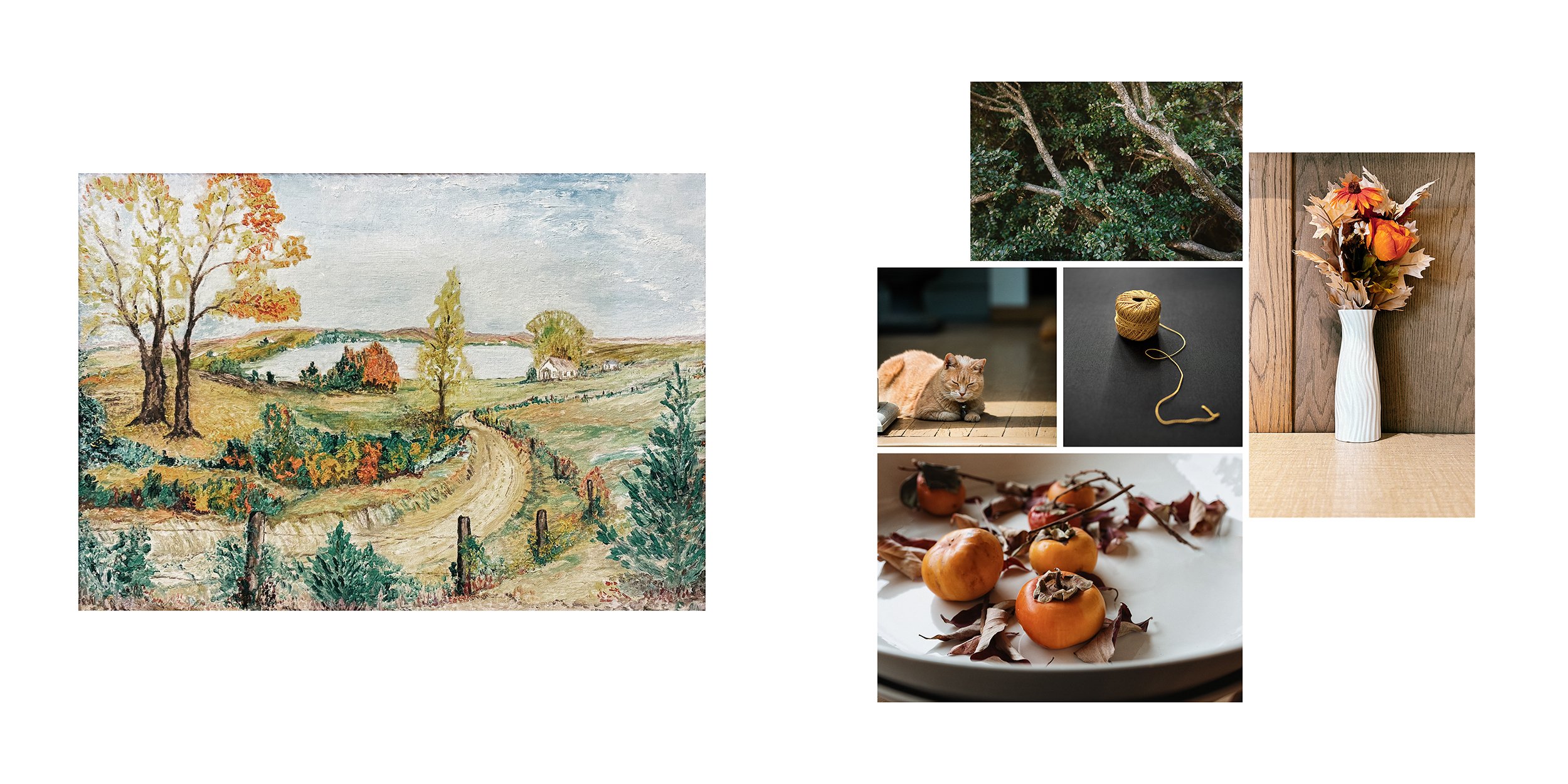
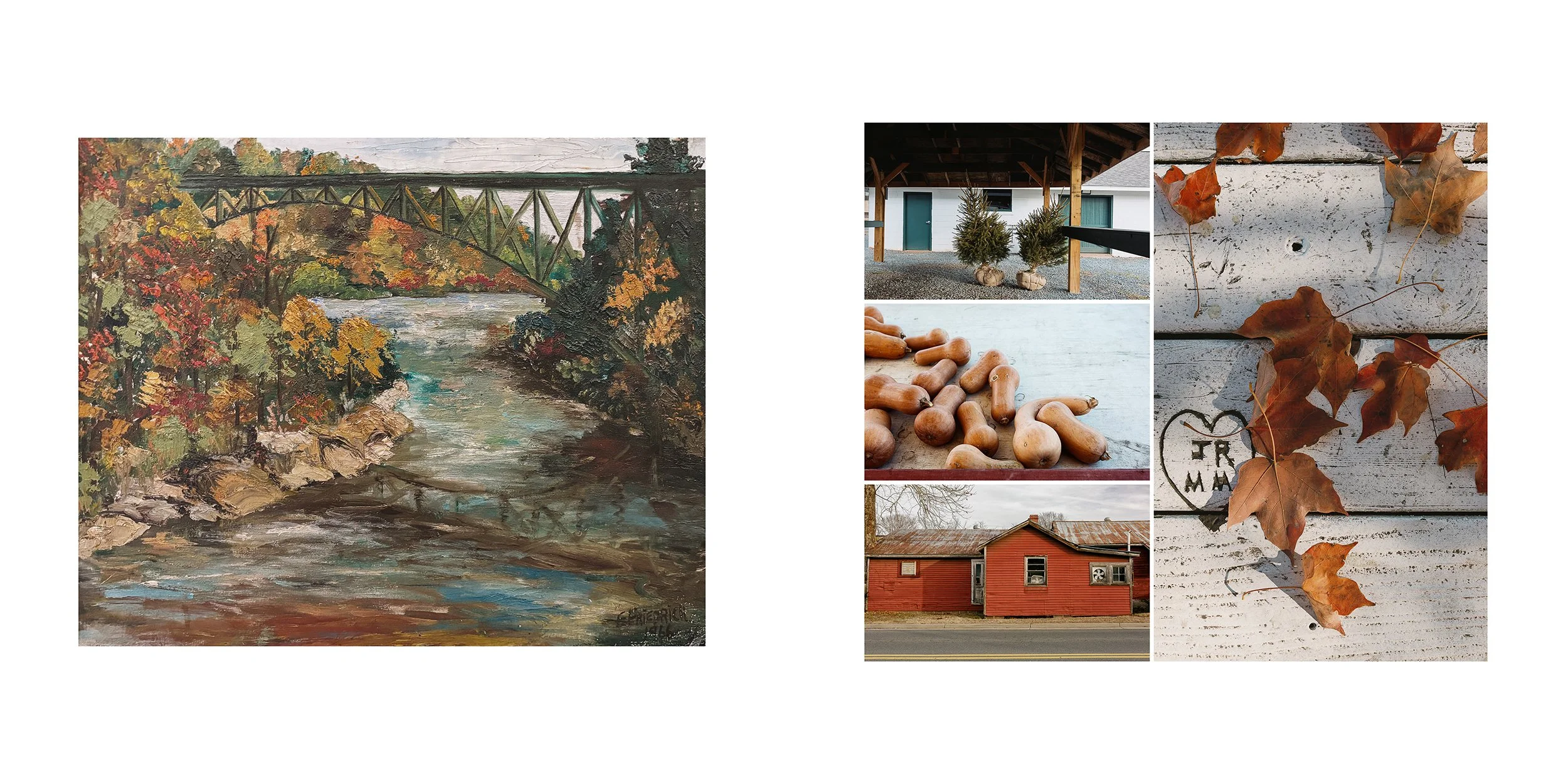
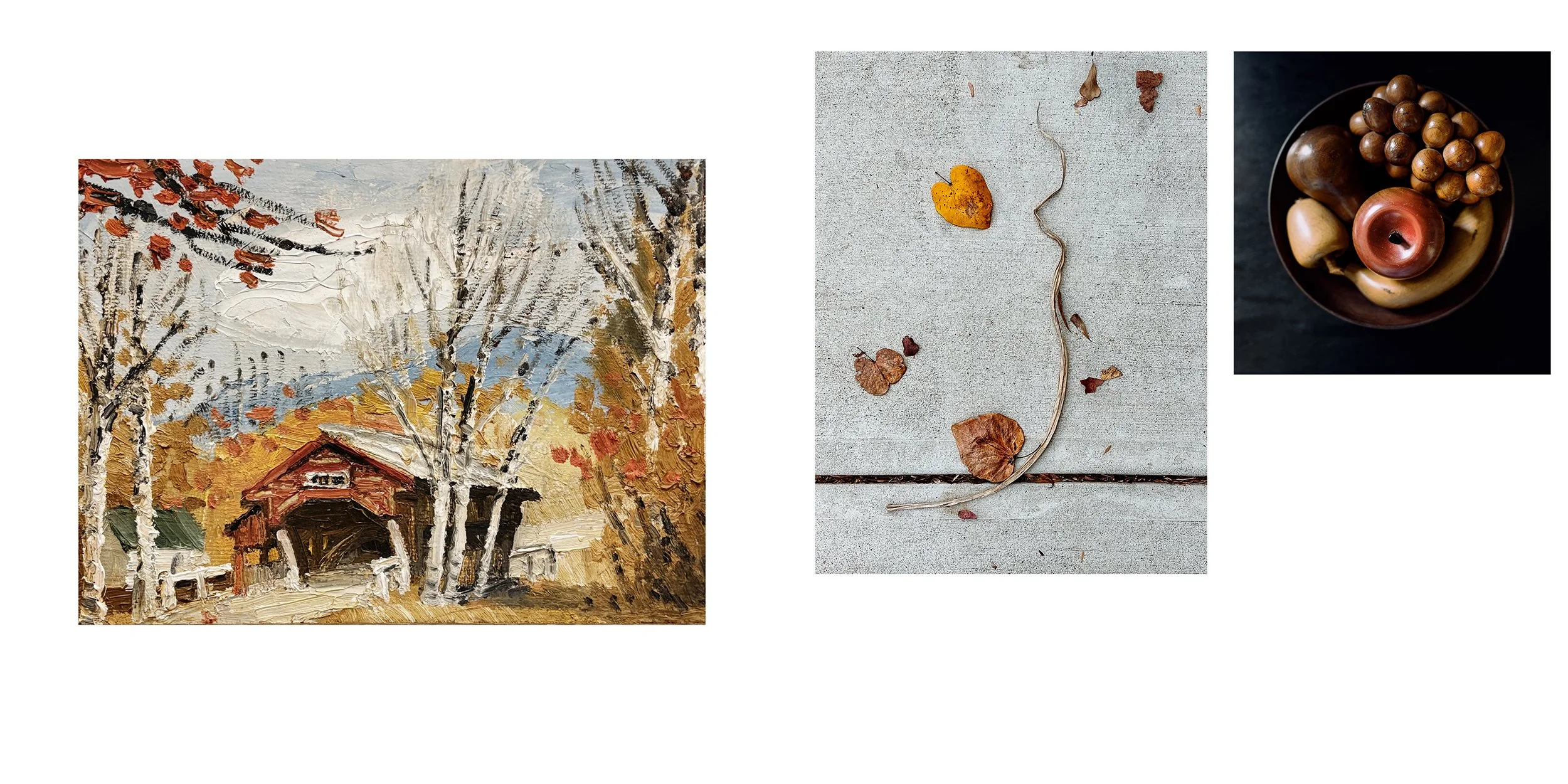
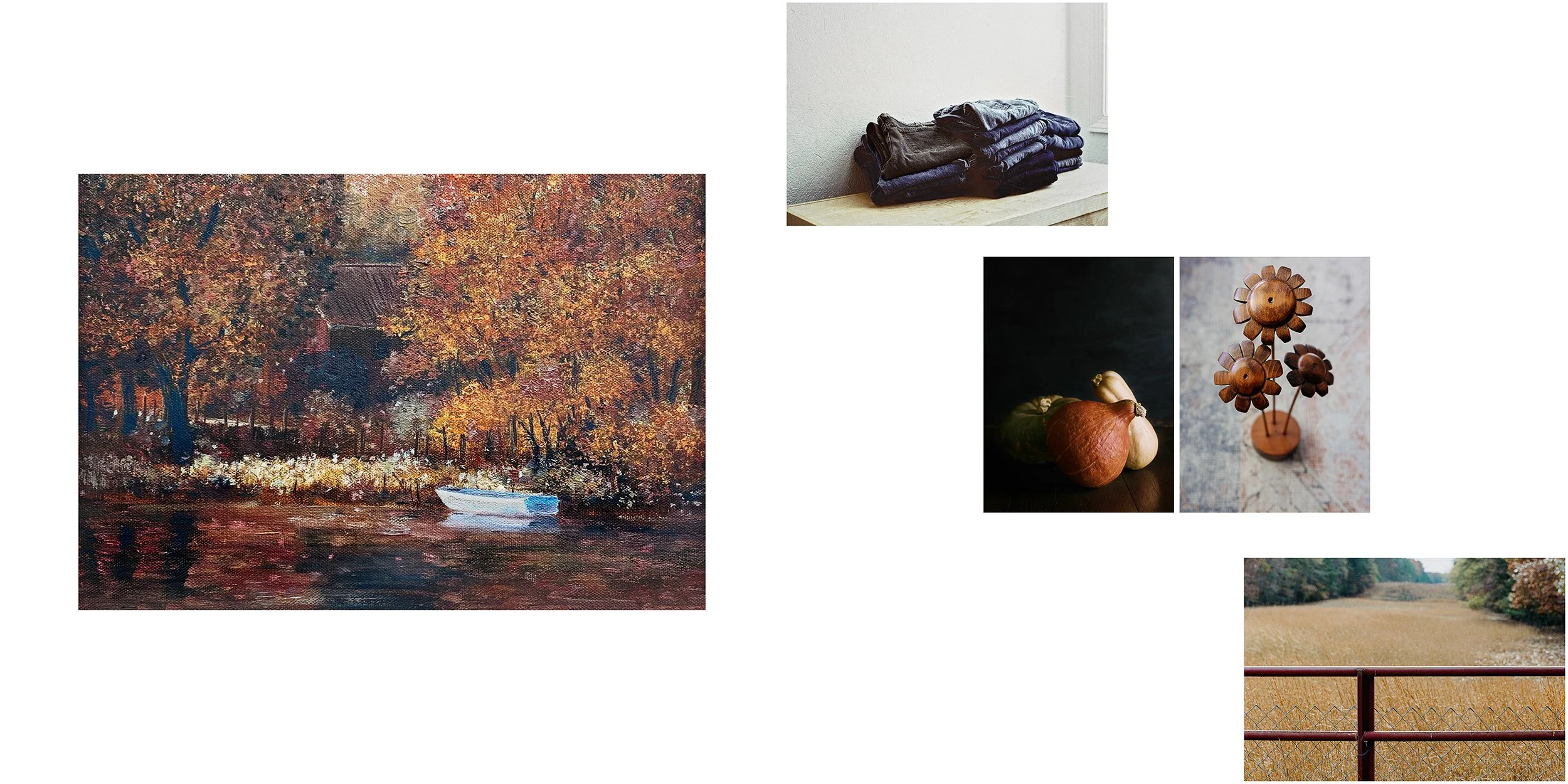
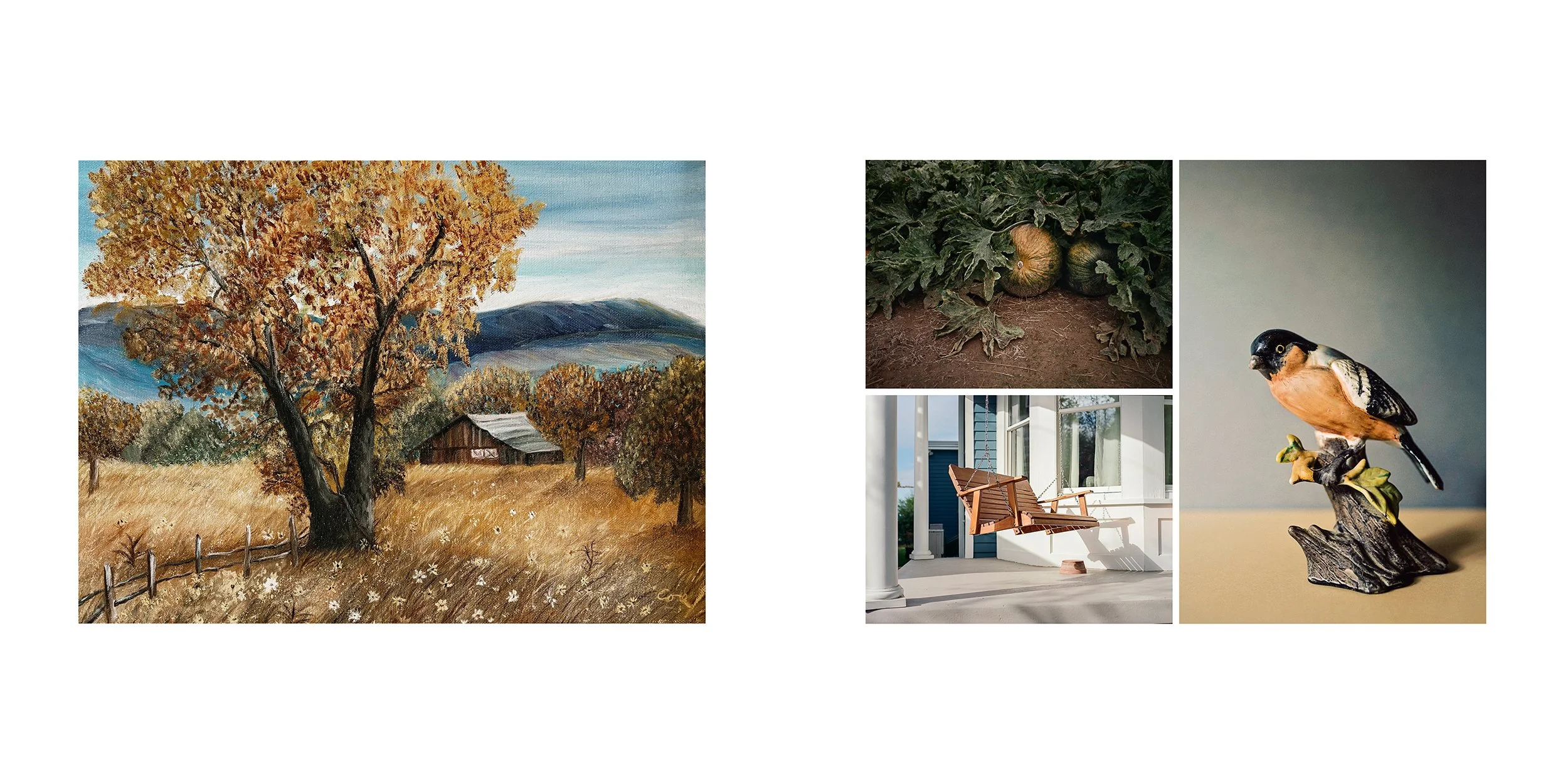
This is a book of visual poetry, where the poems are pictures, created in response to paintings.
"If we opened people up, we'd find landscapes." —Agnes Verda, filmmaker
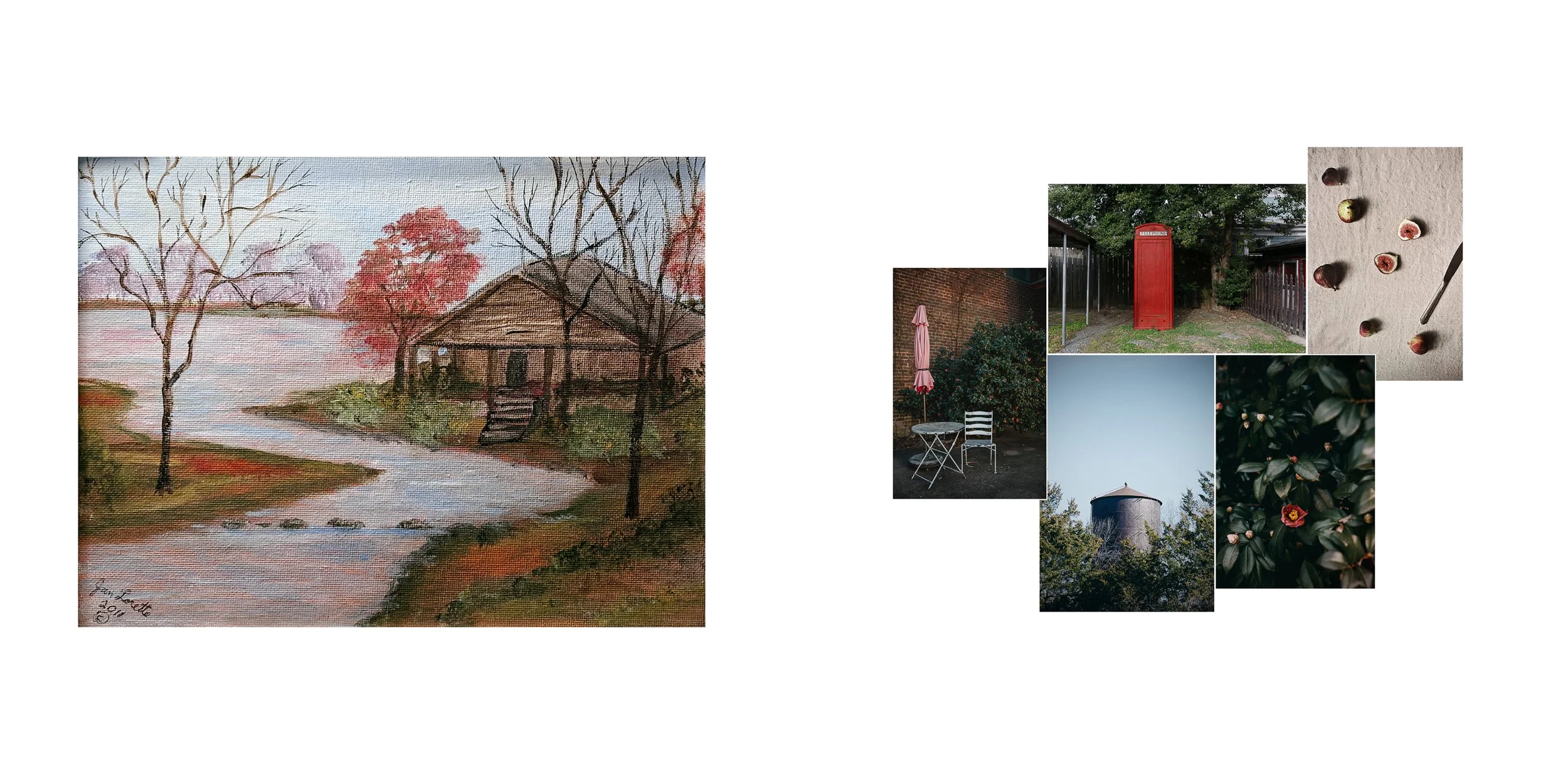
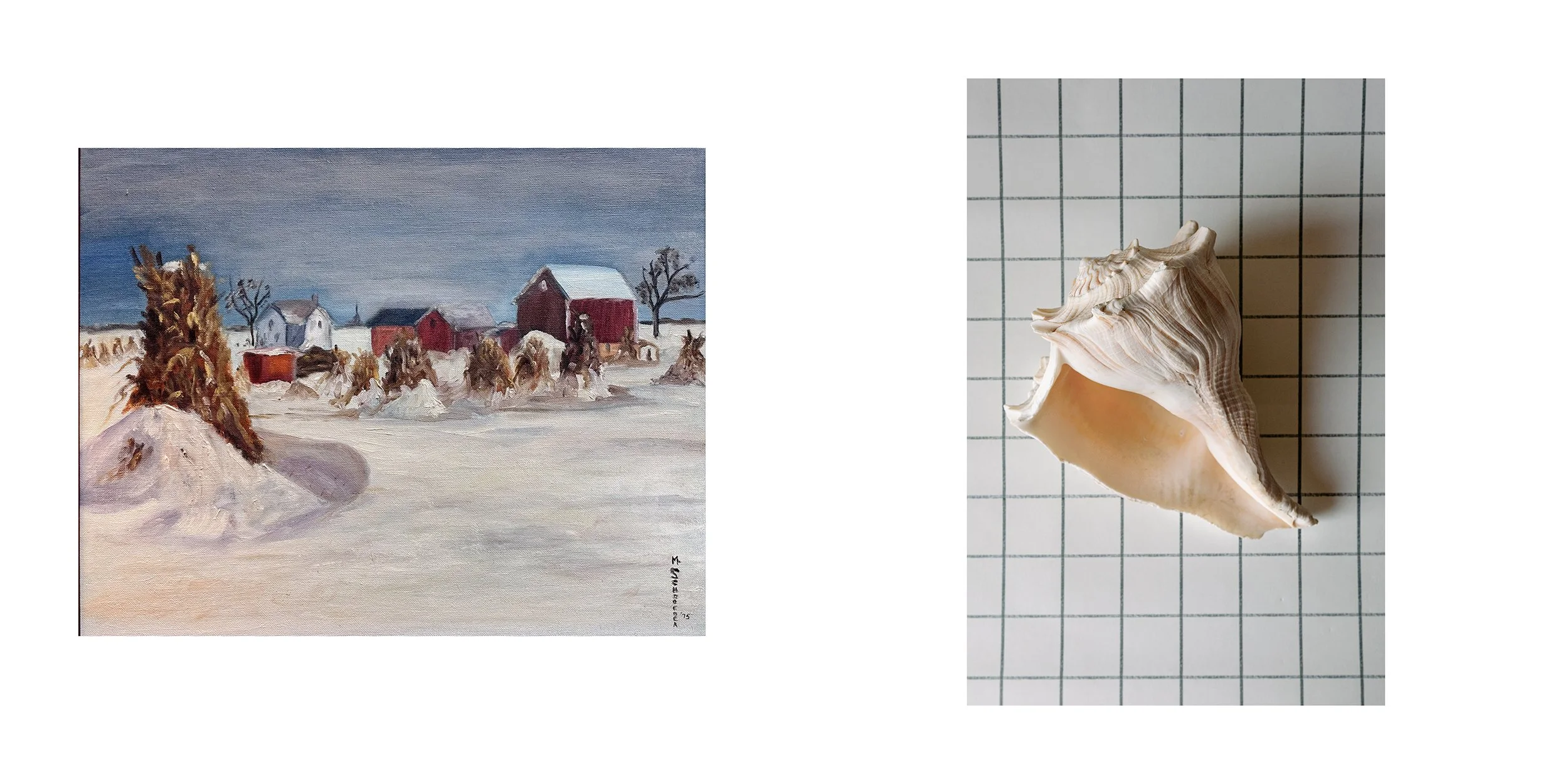
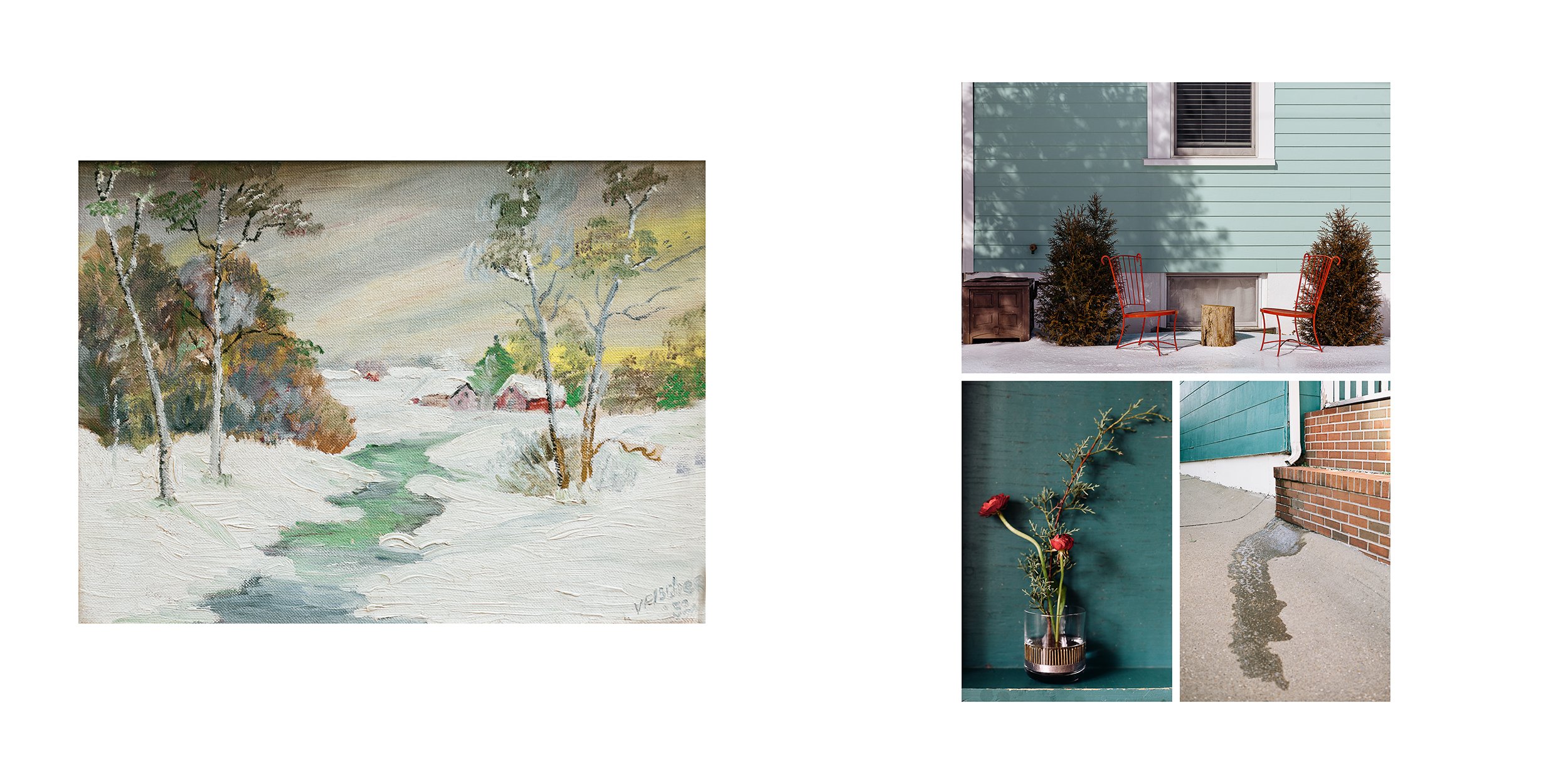
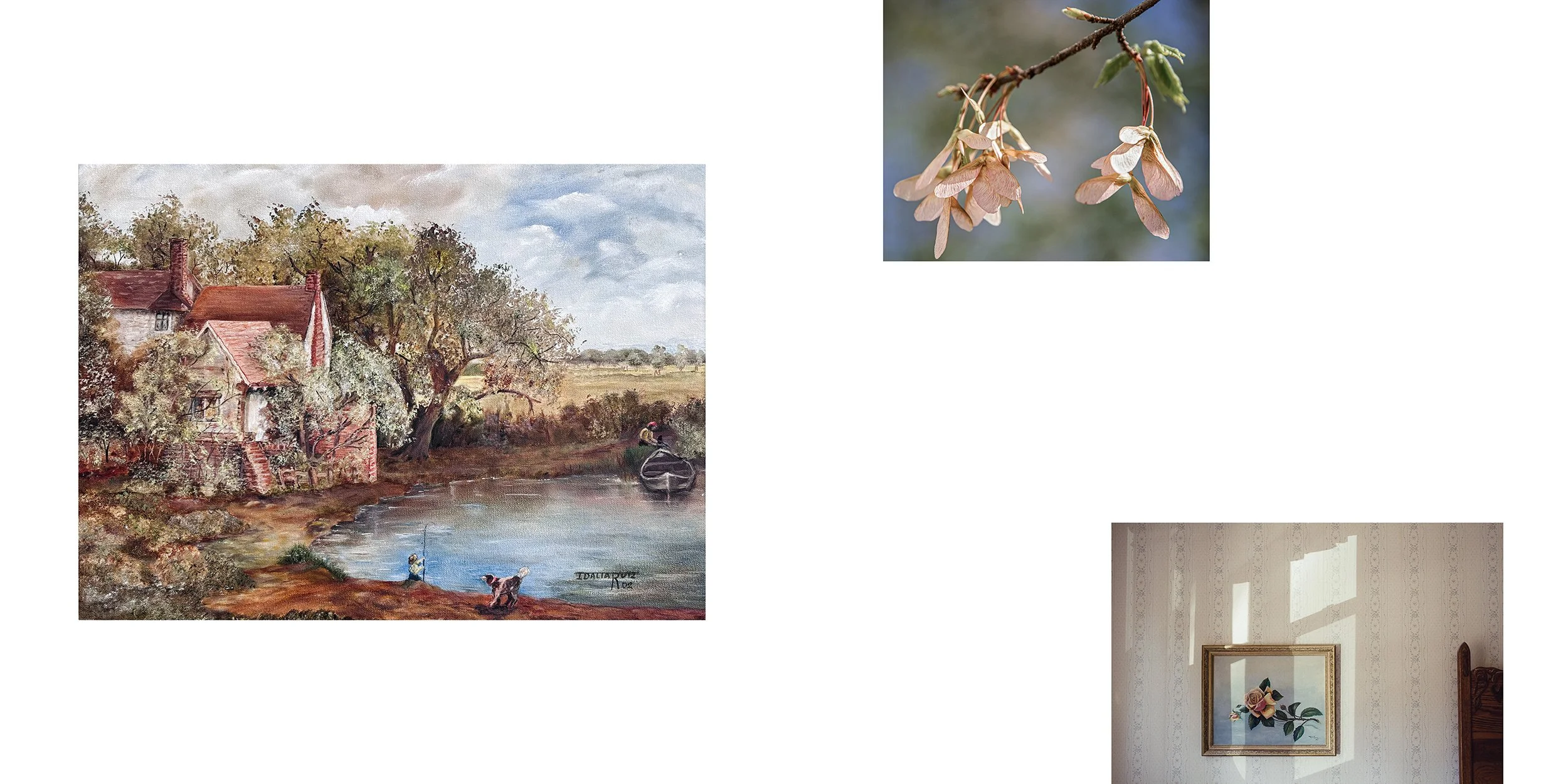
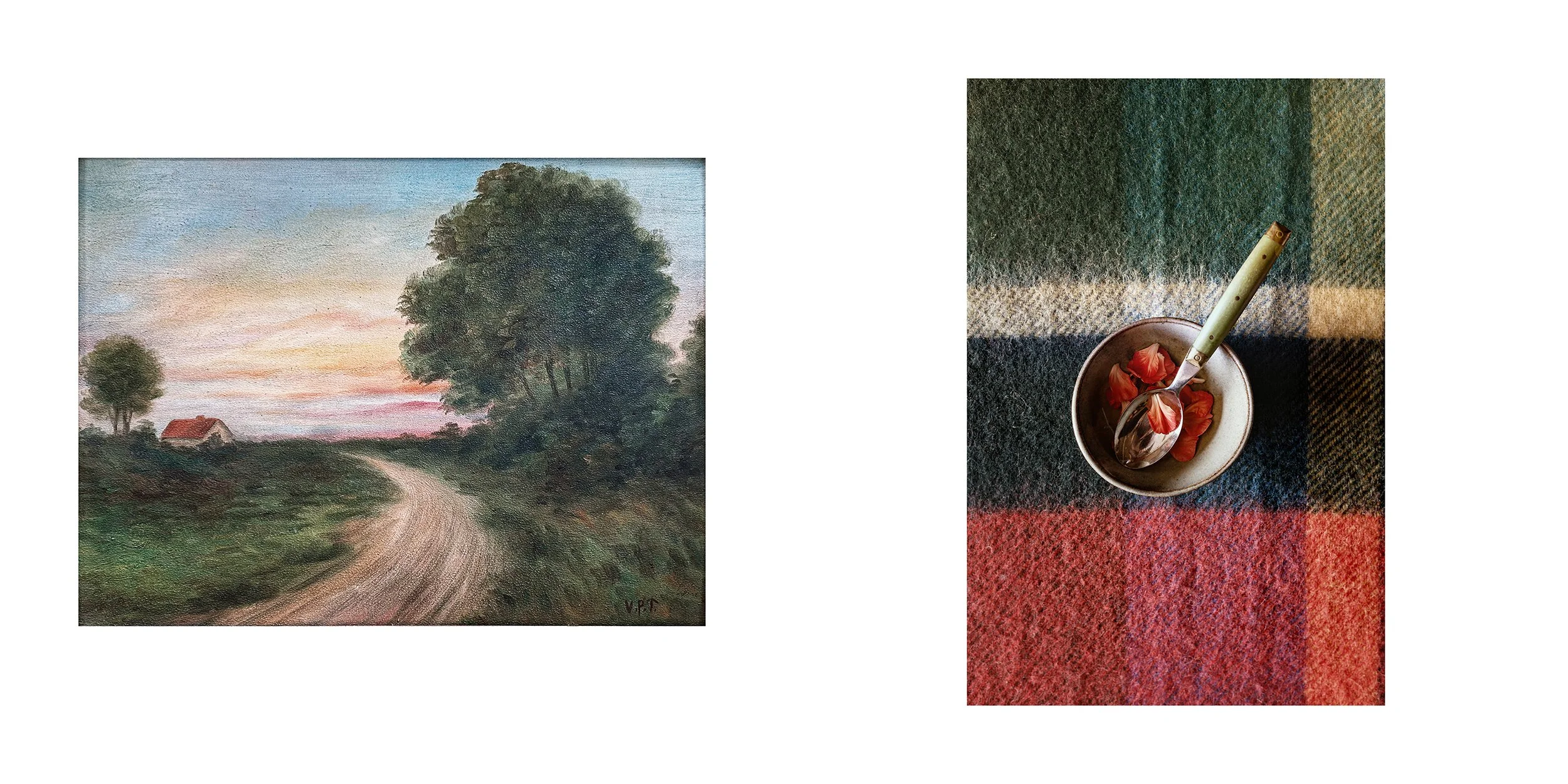
The project is centered around a collection of vintage landscape paintings found at local thrift shops and antique malls. Some of the paintings are signed and dated, and every effort was made to credit the artist. But many are not signed—leaving the authorship a mystery. The paintings share some common contexts. Most are of rural landscapes, and all reflect a deep connection to natural environments. Many feature cabins or old homesteads, winding paths, ponds, bridges, fences of one kind or another. The paintings are spread across the four seasons. Many share similar color palettes and all are oil paintings. I endeavored to photograph the paintings with accurate representations of color and brush strokes. In every case, my goal was to witness and honor the original paintings.
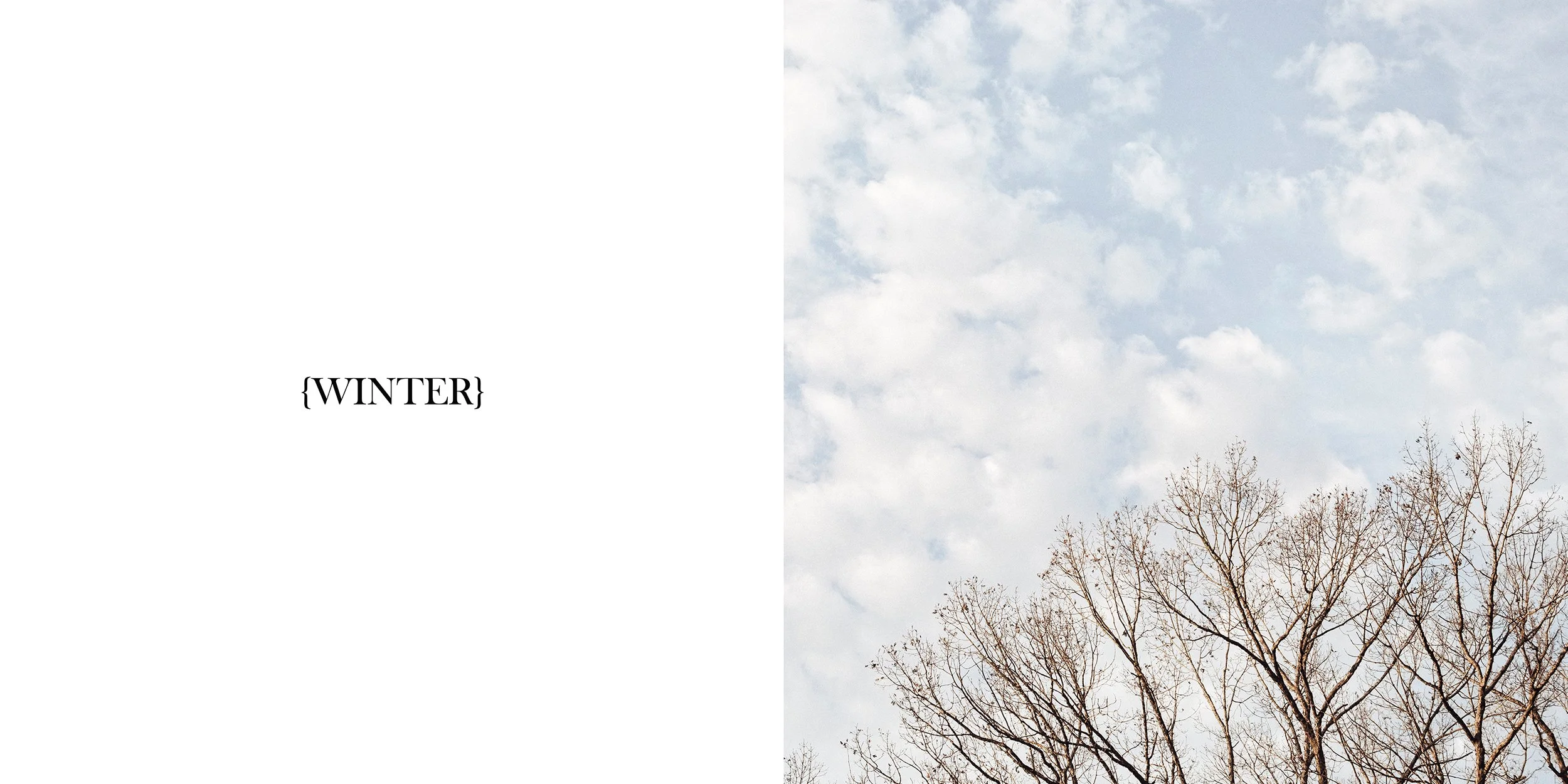
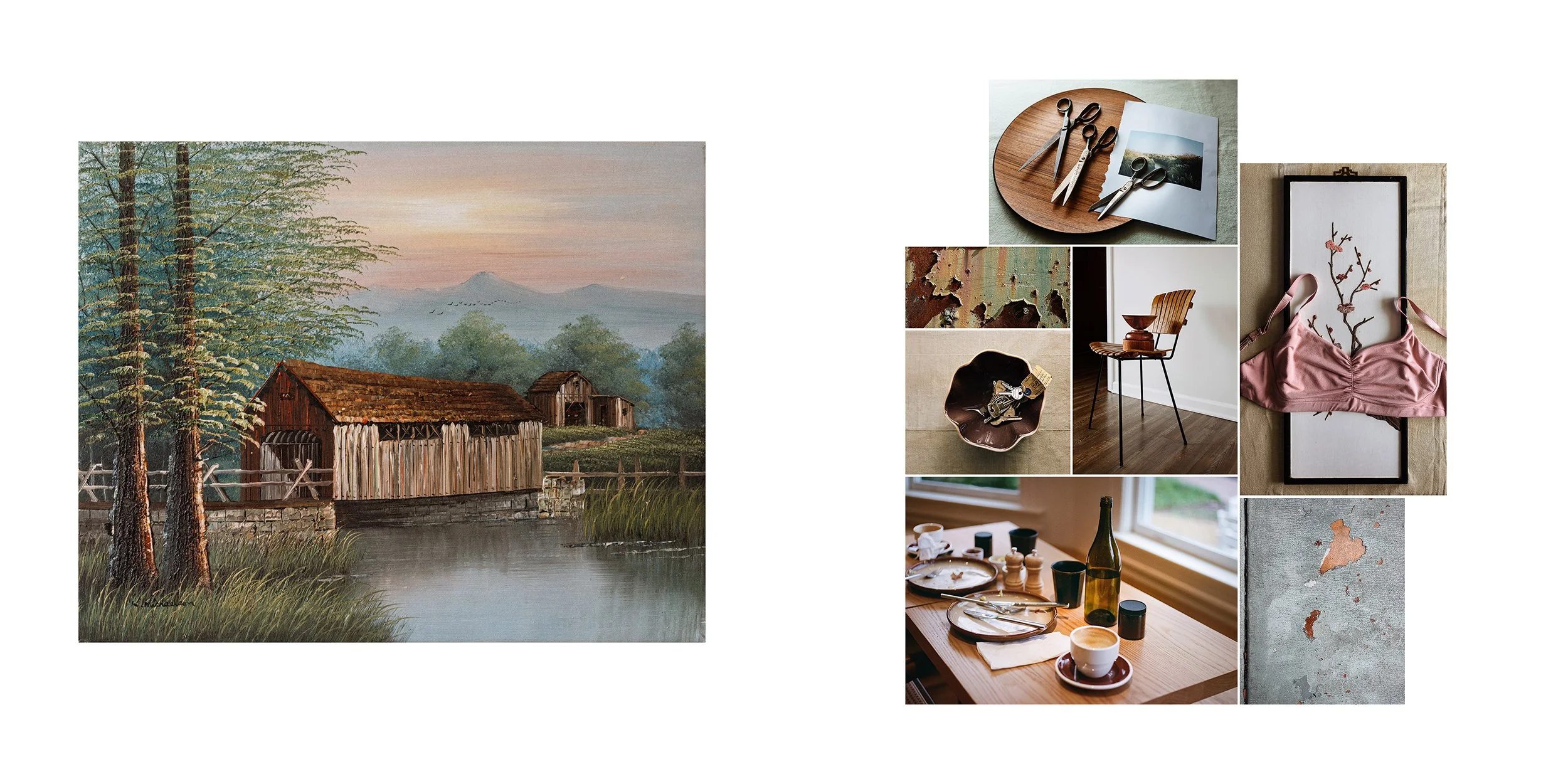
My photographs converse with the paintings, questioning and tracing the meaning of the work. They speak to the paintings in the same give-and-take manner of a heartfelt conversation between two friends. The photographs, on the right-hand side of each layout, change how the painting, on the left-hand side of the layout, lives in the world. The painting might be the thing I fell in love with initially, inspiring the design, palette and mood of the conversation, but the photographs dictate how the love shows up on the page. Nothing about the original painting changes, but the tone shifts; the work has a new, more expansive meaning by virtue of its relationship with the photographs.
The pictures not only converse with the paintings; they talk amongst themselves. Sometimes the pictures complement each other, helping the conversation. Sometimes they compete, fighting for attention. Always, the arrangements are a balancing act where friction and tension are welcomed in the pursuit of better relationships. The collages are negotiations of scale, silhouette, material, and spacing. Too much space and everything feels cautious. Too much overlap and everything feels crowded. The sweet spot is knowing when to let an image breath and when to let it lean in.
Every page in the book is a frame. The frame doesn’t just hold the picture or the painting, it changes how you see it, and in the best scenario, gives voice to the memory, connection, and joy of small moments, saturating them with significance.
—Please click on the images to see full size views.—