Big Flowers

In general, I find that big photographs of flowers look kind of cheesy. I’m sure this is all about the nuance of the picture where things like camera settings and lighting and processing matter. I tend to prefer a minimalist approach to photo styling and editing, so this is simply a matter of taste. Subjectively objective.

I do love the artful pictures of Australian photographer Kara Rosenlund. She has a series, Best in Show, that features colorful dahlias. She gives the backstory on how her collection came to be and how she made these gorgeous photographs in her post. They have names like Daphne, Gladys, and Mavis—all names with meaning for Kara.

After studying Kara’s work, I decided I’d give something similar a try. We visited the lovely Flower Field in Toano near Williamsburg, Virginia this passed week. The owner, Susan, was so kind to open the field early for us to pick flowers and shared her passion for flowers, too. Luckily for me, there were some dahlias and lots of zinnias, too.

I brought a few prized dahlias home and got to work. I wasn’t sure I’d be able to make pictures like Kara’s, ones that filled the frame with the flower blossom. I decided to try different prime lenses (35mm, 50mm, and 85mm), stick with natural light in the early morning (in my garage this gives a softer light without shadows), use my tripod, and keep the styling very simple. Kara used a makeshift studio on her kitchen table which seemed pretty similar to my setup. I figured I’d have to crop the photos to get that full frame look, and this turned out to be true. But the file sizes were large and even with cropping, the pictures are still of excellent quality.
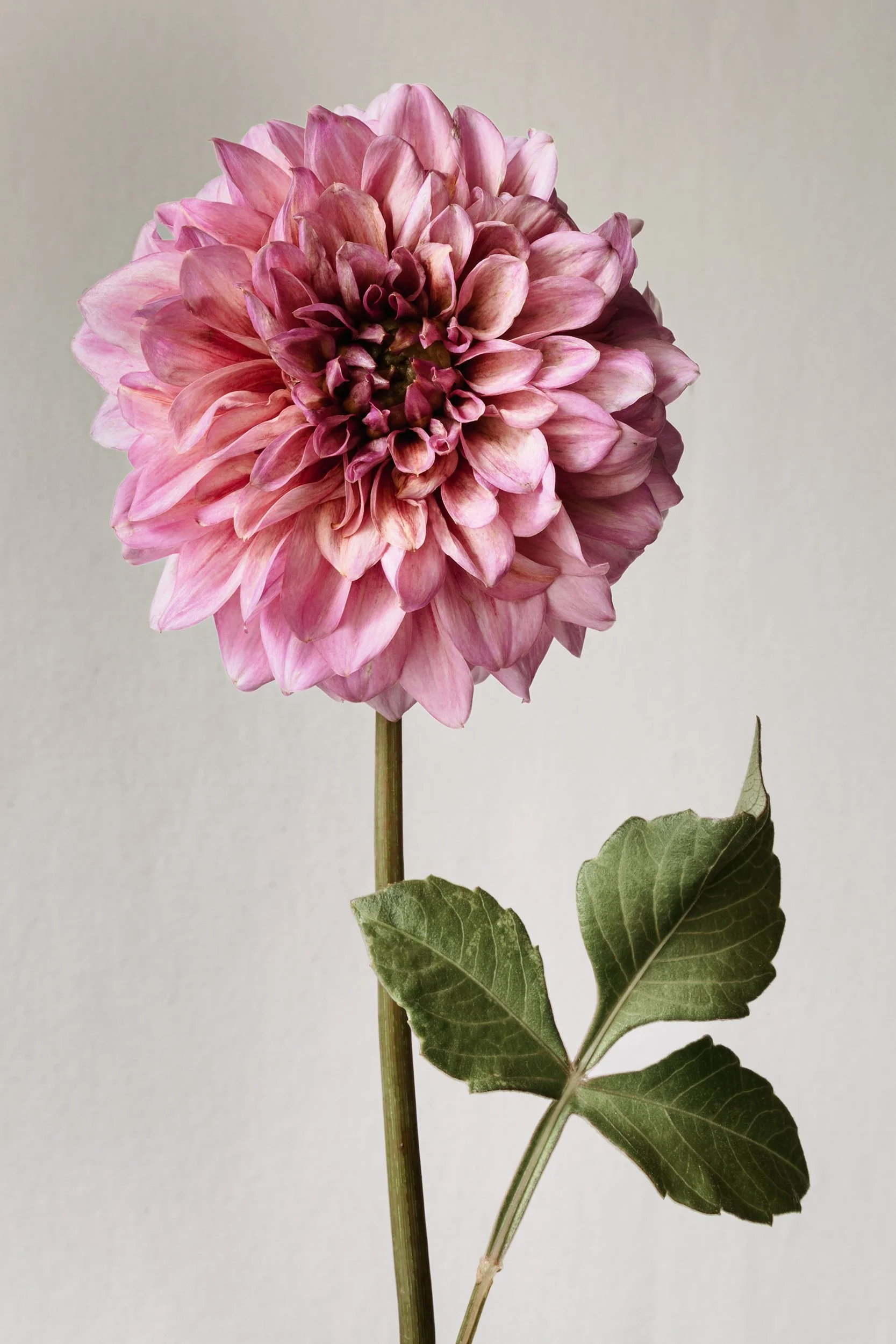
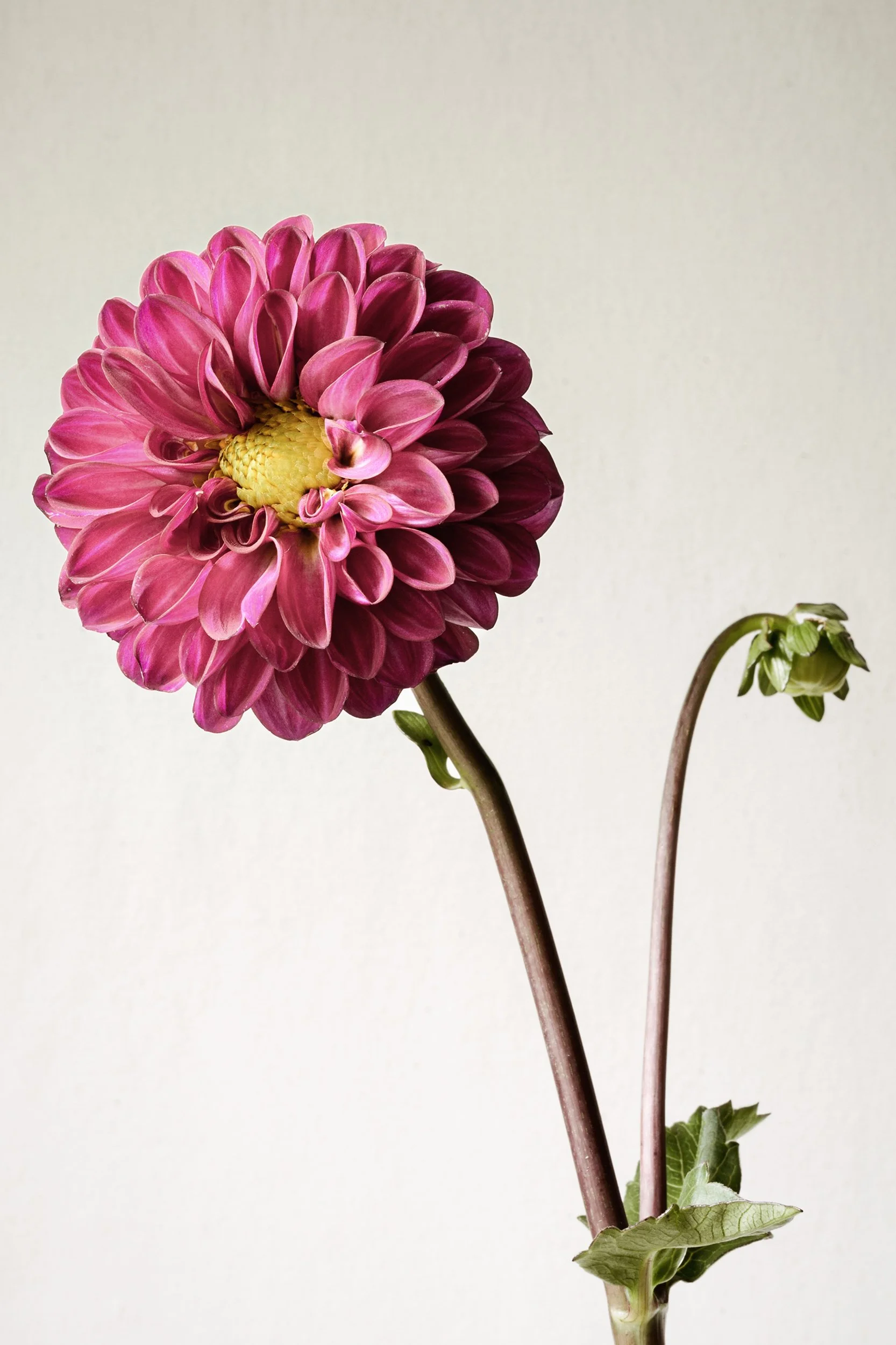
I am happy with the results. I’m not sure which of this group will make it into my florilegium project, but I am certain at least one will be included. I followed Kara’s lead and named my flower portraits after people I love.
Reset

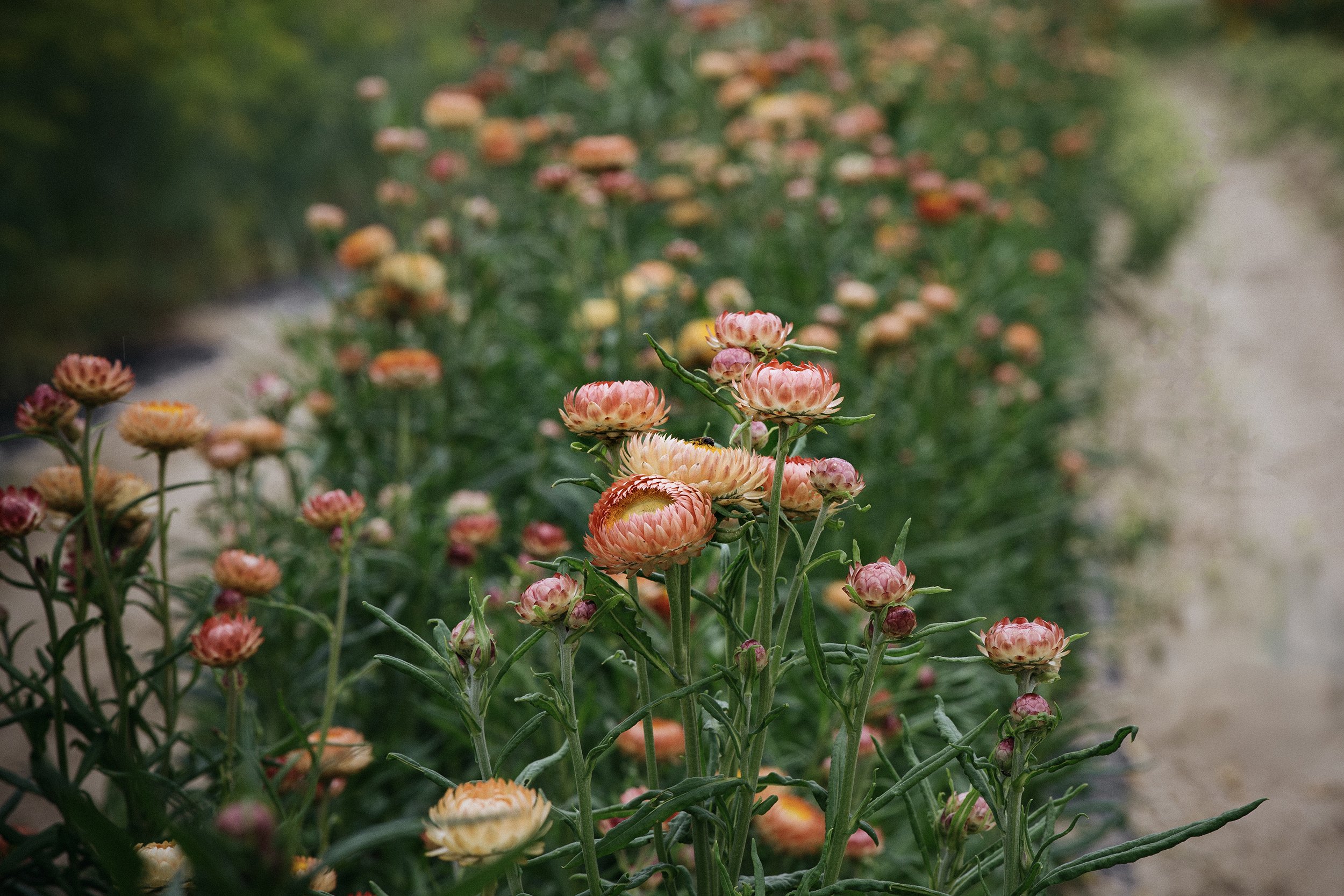
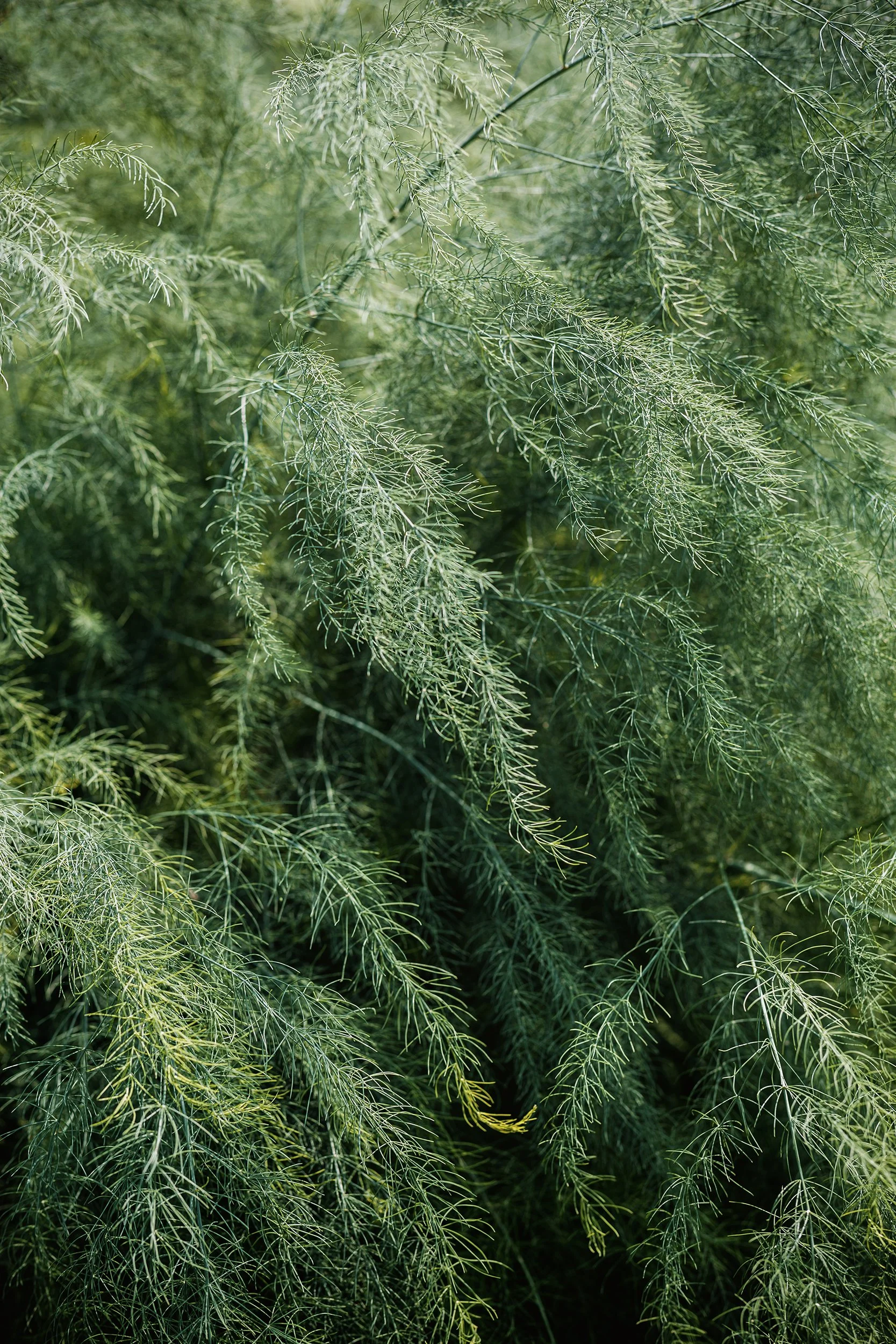
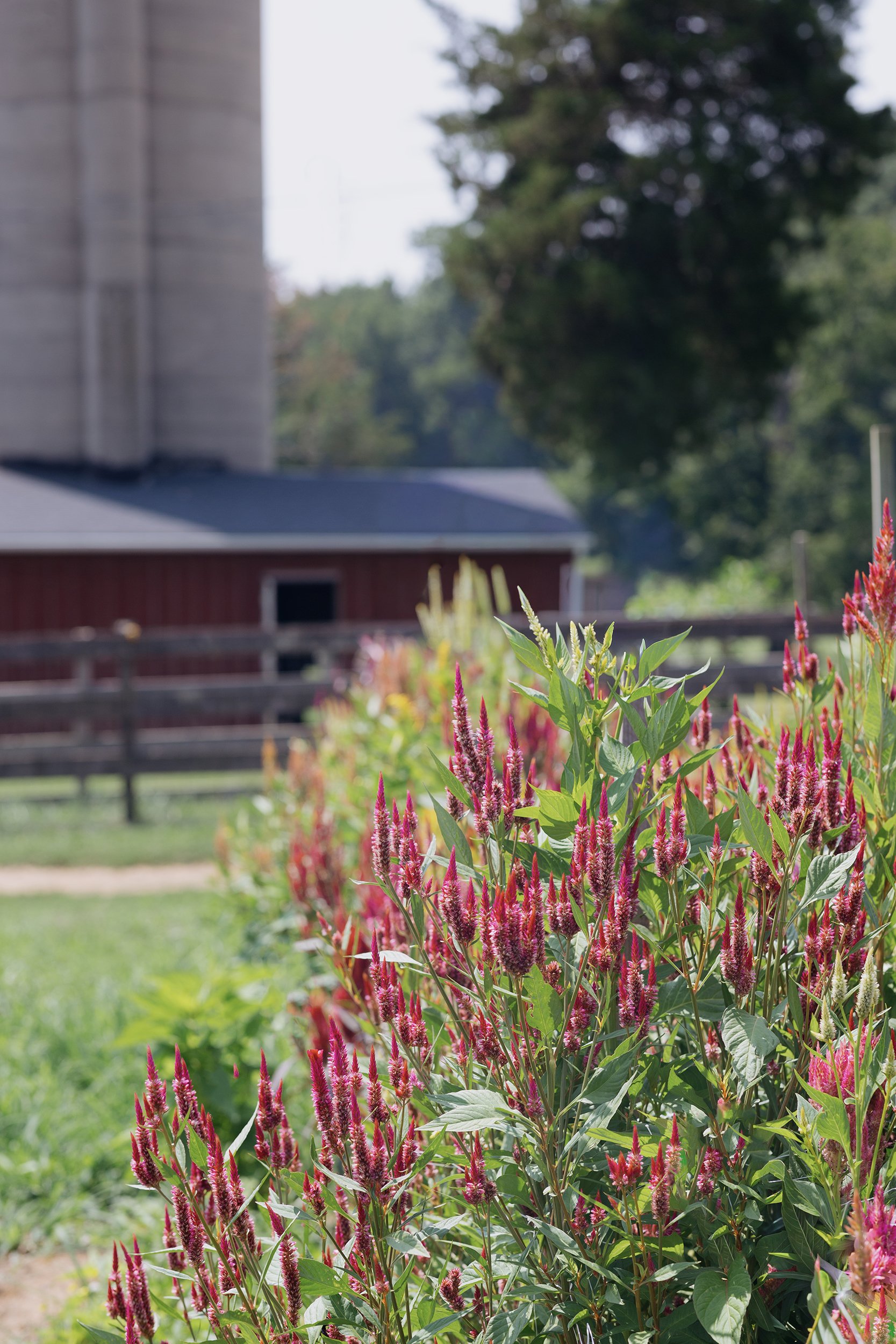
Asparagus and Celsoia

each reset creates evidence that a hard moment can be survived without being endlessly solved. sensitivity and care can remain intact. the change lies in refusing to let every emotional disturbance expand until it occupies the whole internal landscape.
— ayushi thakkar, the life-changing skill to stop rumination

Homework

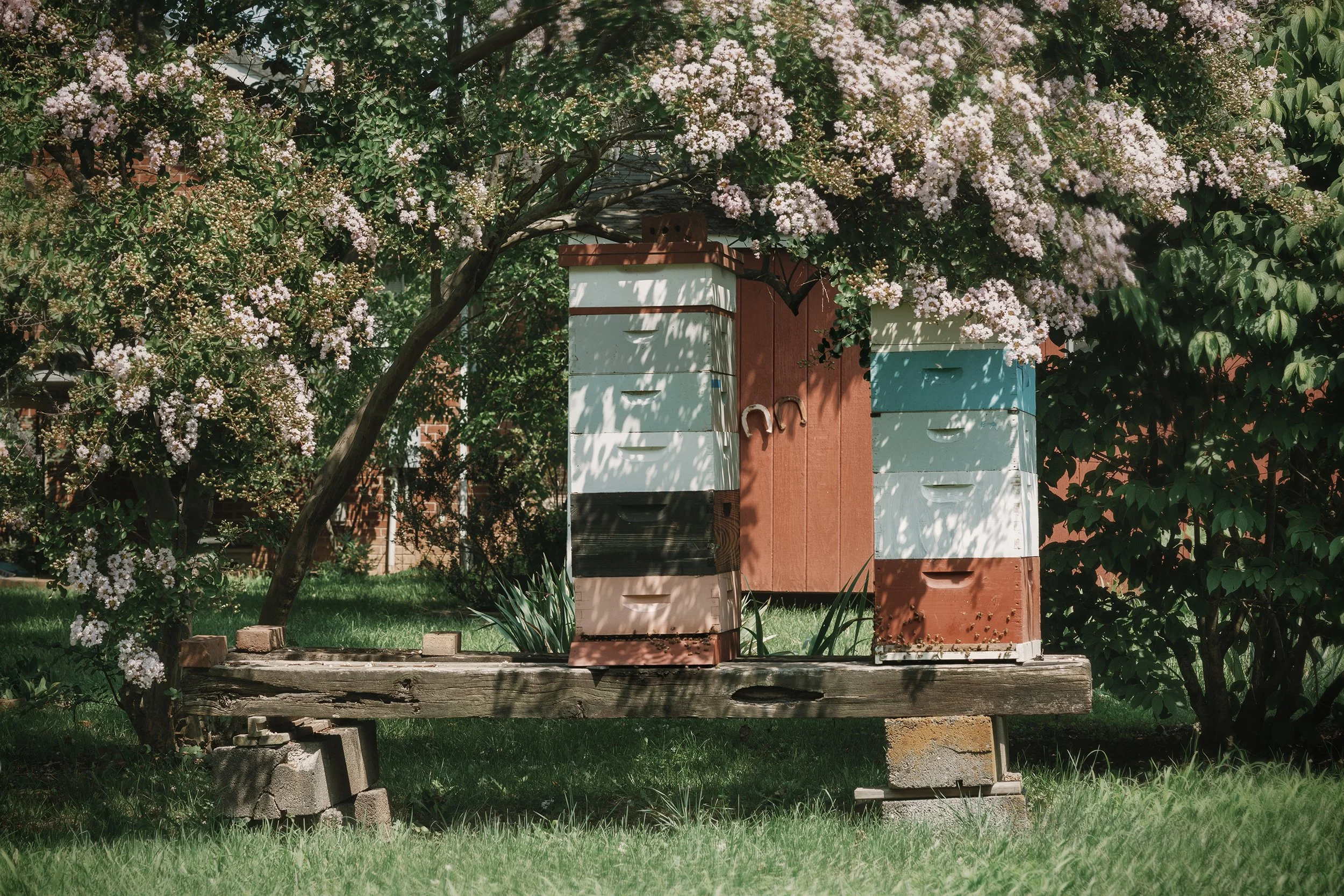
The only time in a day full of appointments I could make a visit to the farm was late morning. I wanted to take a picture of the bee boxes to see if they might be a fitting subject for the assignment, Seasonal Shift, for my online class, Stillness of Summer with Paul Sanders. The idea being that we students would return to the same spot each week over the next 2 months and photograph it as a record of a season passing through us. By September we will have a set of similar pictures, but we will also have a record of how the light, the weather, and even our own feelings and mood have changed. I think this scene might work.

Weather: Hazy, Hot and Humid (almost unbearable). Sunny.

Time of day: 10:30 am

Notes: I used my digital camera and 85mm lens. It might be fun to try a longer focal length and shallower depth of field. It was so bright today, I had to guess at all the settings and hope for the best.

Does this feel like I felt?

These days, I am sharing excerpts from a few trusted sources on repeat. Here’s a few words from Paul Sanders and his post from today, Overperforming and underachieving.

So here’s the invitation, to you and honestly to myself as much as anyone. Put the camera up not to prove something, but to receive something. Let the light find you before you go chasing it. Let the image be unfinished, unpolished, unperformed, true to what actually passed in front of you rather than what you think will get picked.

You’ll be amazed how much lighter that is to carry.

Because in the end, the picture is never for the strangers you’ll never meet. It is always for you.