Homework

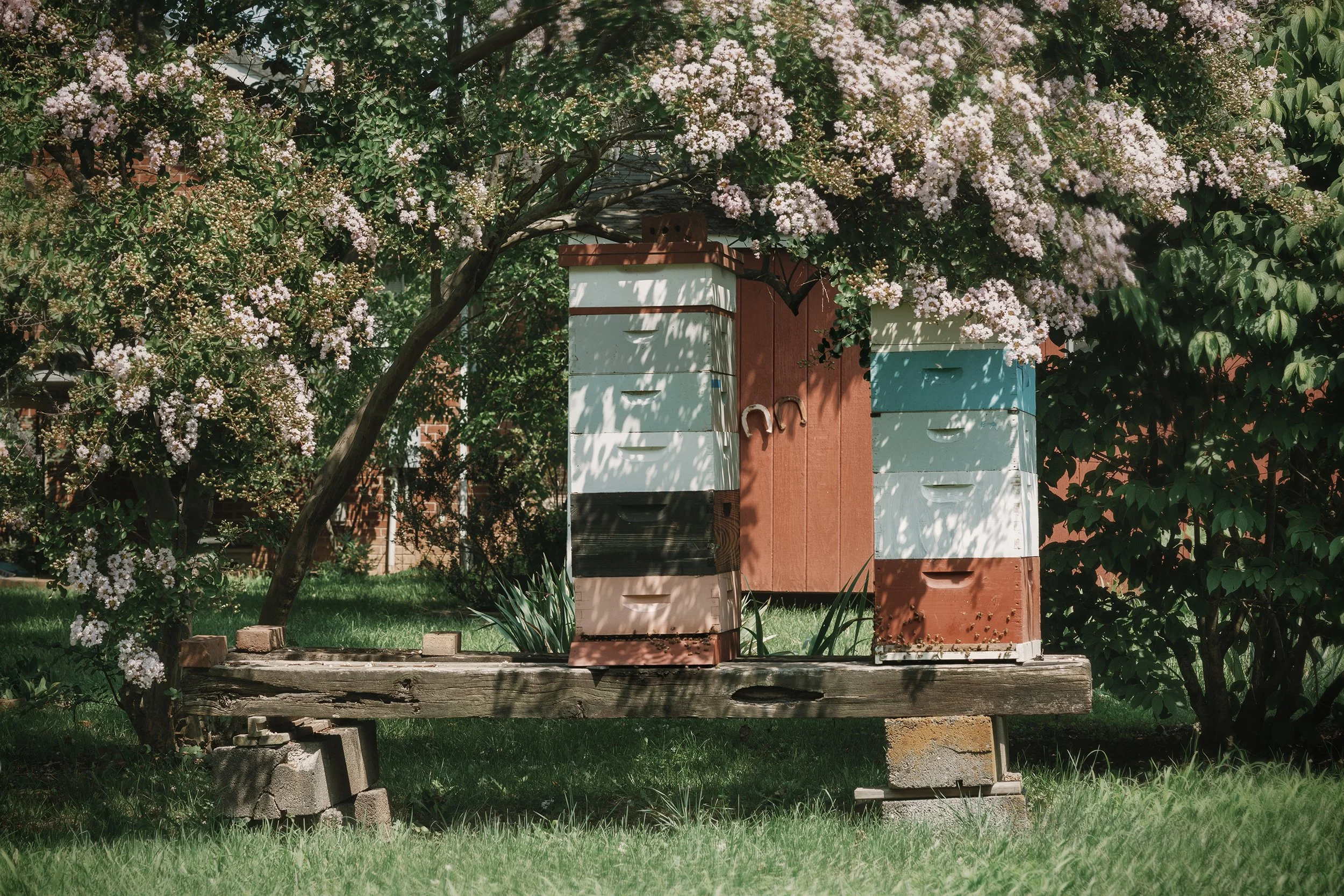
The only time in a day full of appointments I could make a visit to the farm was late morning. I wanted to take a picture of the bee boxes to see if they might be a fitting subject for the assignment, Seasonal Shift, for my online class, Stillness of Summer with Paul Sanders. The idea being that we students would return to the same spot each week over the next 2 months and photograph it as a record of a season passing through us. By September we will have a set of similar pictures, but we will also have a record of how the light, the weather, and even our own feelings and mood have changed. I think this scene might work.

Weather: Hazy, Hot and Humid (almost unbearable). Sunny.

Time of day: 10:30 am

Notes: I used my digital camera and 85mm lens. It might be fun to try a longer focal length and shallower depth of field. It was so bright today, I had to guess at all the settings and hope for the best.

Does this feel like I felt?

These days, I am sharing excerpts from a few trusted sources on repeat. Here’s a few words from Paul Sanders and his post from today, Overperforming and underachieving.

So here’s the invitation, to you and honestly to myself as much as anyone. Put the camera up not to prove something, but to receive something. Let the light find you before you go chasing it. Let the image be unfinished, unpolished, unperformed, true to what actually passed in front of you rather than what you think will get picked.

You’ll be amazed how much lighter that is to carry.

Because in the end, the picture is never for the strangers you’ll never meet. It is always for you.

Leaving Out the Good Ones

I’m following along with Process ☼ On Photography, by Wesley Verhoeve as he walks us, step-by-step, through the process of making a photo book or zine. We’re on Step 2 — choosing which images stay and which ones go.

In Step 1, we talked about the idea, and the one sentence that holds a whole book together. Mine is this: 

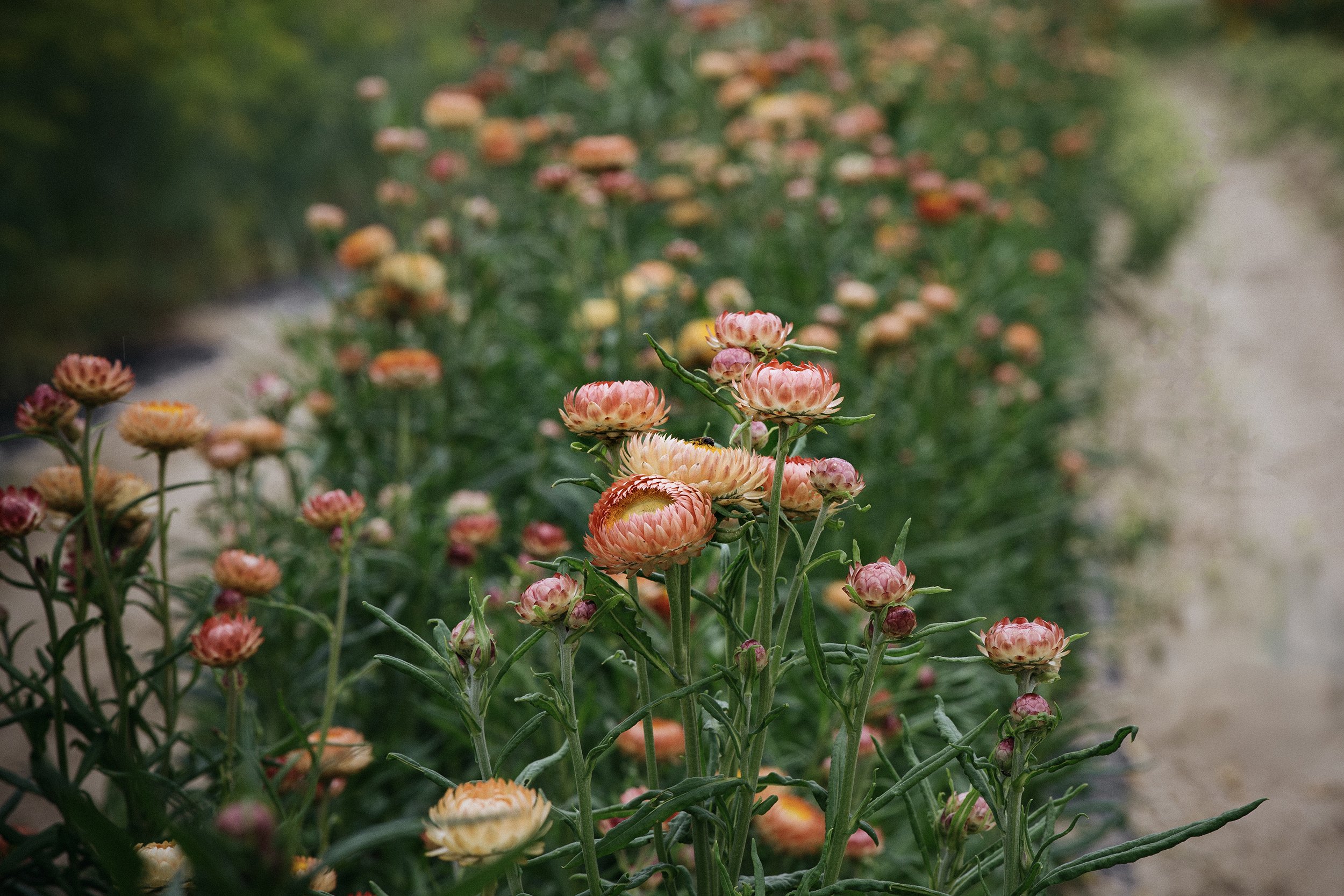
This book is a florilegium: a gathering of flower images from small family-owned flower farms in rural Virginia. They are intended to celebrate the nature of the flowers themselves and the many ways they bring us to our senses.

Wesley explains Step 2:

Now that we have our sentence we know the story we are telling and can judge all our photos against that to measure whether they fit or not. This is a difficult part of the process, because I have to look at everything I shot and accept that most of it will not make the book . . . A photo can be beautiful, and mean a lot to me, and be technically strong, and still not belong in this particular book. Leaving it out is not a verdict on the photo, but rather a decision about this particular story.

With this frame of reference, I was able to eliminate pictures that do not connect to my sentence and pictures that were duplicates.

For example, these pictures show flowers along walkways and gardens, but not specifically those grown in small family flower farms. So while they are technically good, they do not fit the theme. I thought I might need them to fill in gaps in the book, but it turns out I have an abundance of photographs that will work. So these are out.

And these pictures show that flowers can influence design and pattern for textiles, crafts, and other forms of art. But again, they do not fit the theme, and including them would not strengthen my story.

I was also able to eliminate duplicates. Too many pictures of tulips. Better to chose only the best.

And though I love the sculptural quality of the garden tools in this diptych, these pictures are not what this book is about.

As I let go of images, I could see some gaps, too. With my guiding sentence, I can see that photos of the flower farms themselves would add to the story. So pictures like these will be important. I plan to make trips to several more flower farms over the next few months, continuing the project through fall when the growing season ends. I can also see that photographs of flowers as they decay would be interesting, conveying motion in stillness.

I am incredibly grateful to Wesley Verhoeve for sharing his knowledge and teaching me how to tell my story.