Photography in an Orchard

I LOVE orchards. So much so that I have a giant photograph from an apple orchard in my dining room. This is, in fact, not one of my pictures, but one made by a photographer whose work I admire, Kara Rosenlund. Her version is called Country Apples, and you can see it here. The print was a huge splurge, an early gift from my husband for our 45th wedding anniversary next month.

Sentry Peaches, Grelen Gardens, Somerset, Virginia | June 2026


Plums, Grelen Gardens, Somerset, Virginia | June 2026

Taking pictures in an orchard is challenging. At least for me. And yet still worth the work. I love being in the orchard. I love the smell of almost ripe fruit, the rolling terrain, the bees. I love the stickiness of the fruit. The warmth of summer breezes. I love the mess of abundance, but it is hard to photograph.

Here are the problems.

  1. The orchard is very green. I mean like overwhelmingly green, and my digital camera does an awful job at handling greens. Too yellow, too bright.

  2. The light in the orchard is almost always dappled. And while this is a magical light to be in, it is hard to record. Too much contrast.

  3. The orchard is messy in the way that nature is often messy. Chaotic with branches crossing one another, dead wood, rotten fruit. I have nothing against mess or decay, I just wish it would line itself up in an artistic fashion.

  4. Everything looks gorgeous. Lush. Textured. Like a slowly moving still life scene. And yet nothing seems to photograph as it looks to the human eye.

  5. The light is often bright, and this means the LCD screen is pretty much worthless for evaluating pictures as I go. It feels a lot like film photography, where I make an educated guess as to camera settings. And then hope for the best.

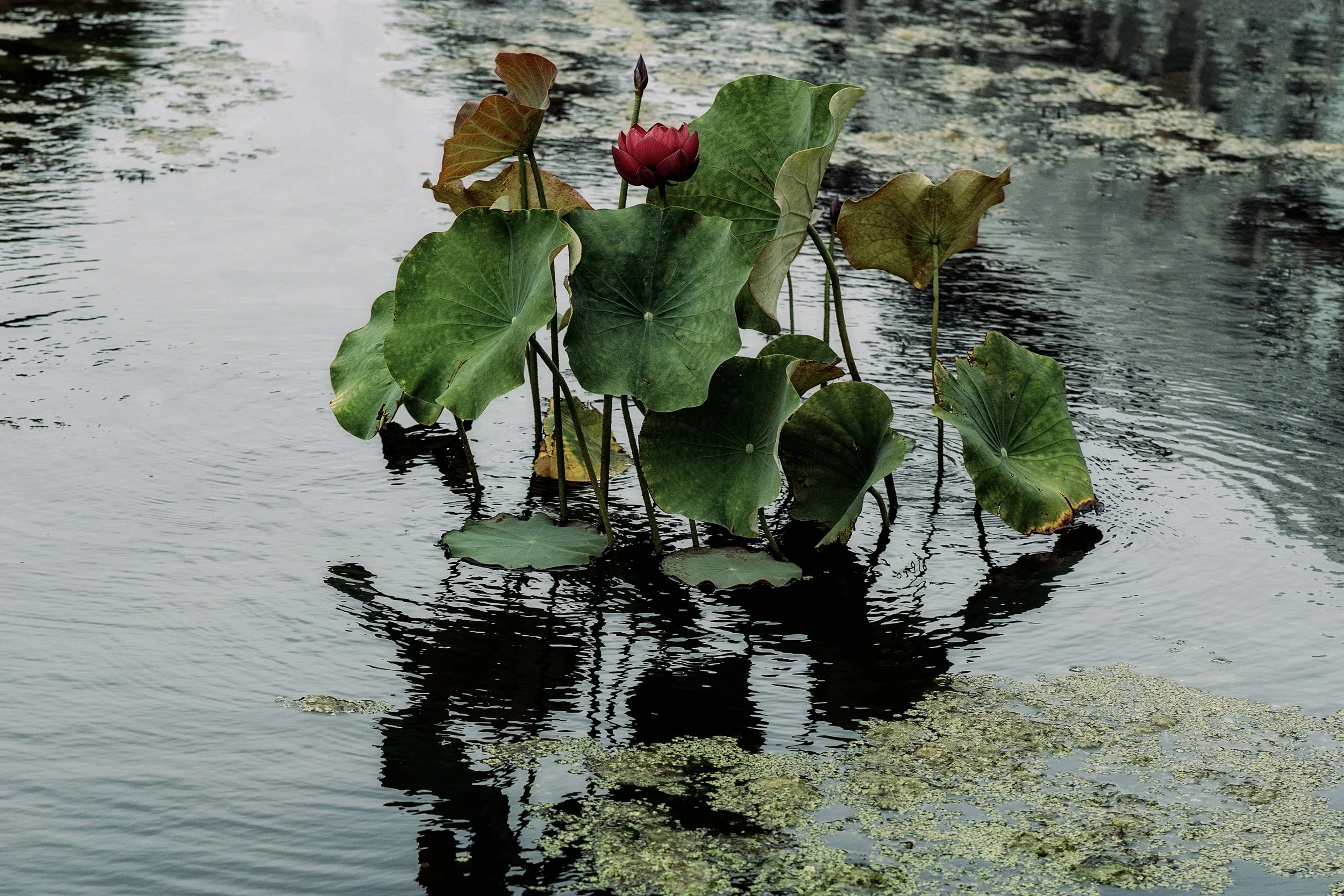
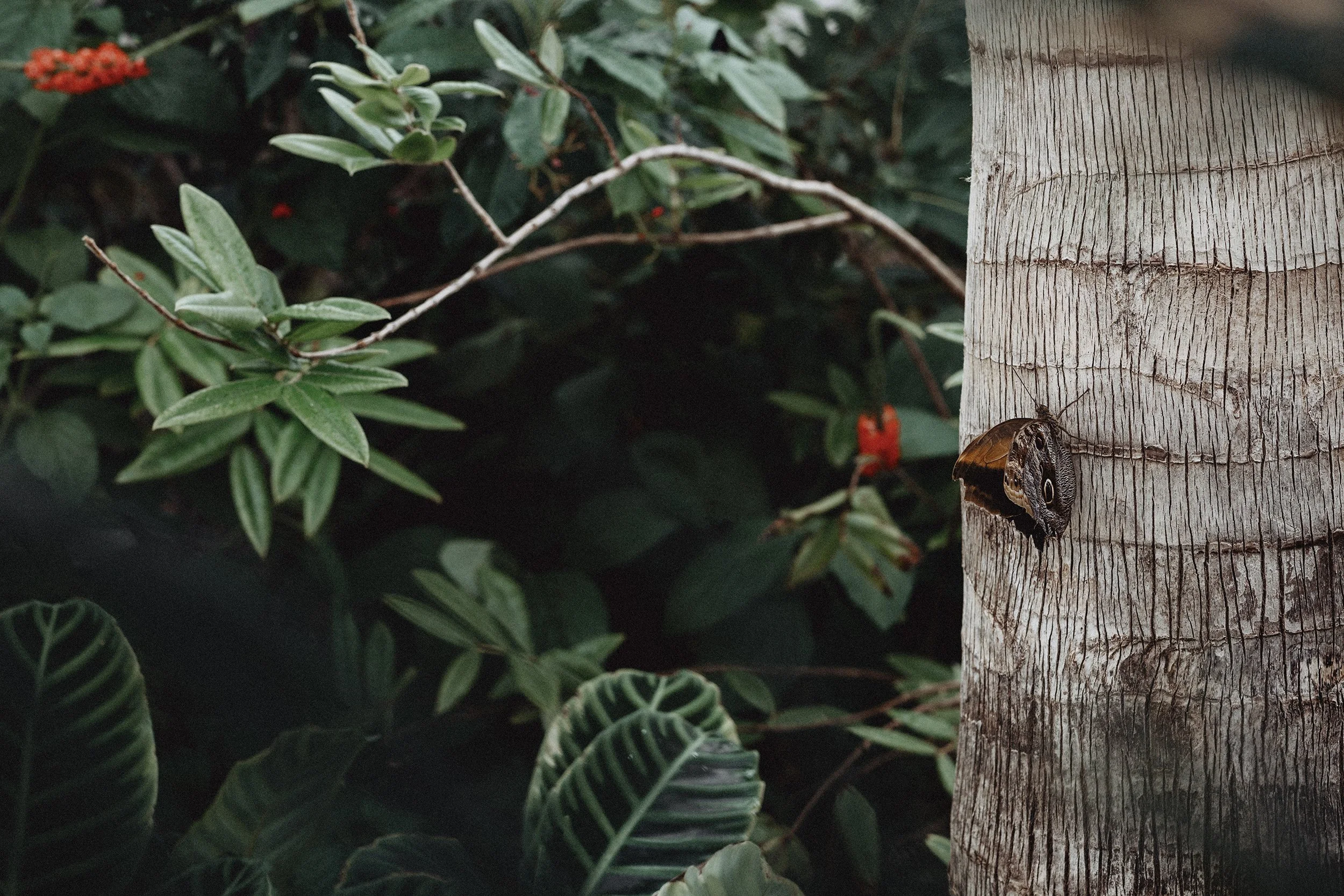
Unfortunately, I do not have easy answers to any of these problem. But I keep trying. The two images I am sharing here actually kind of hurt my eyes. Something does not seem right, but they are the best I can do for now. And sharing them is a low-stakes way to learn and make my way forward.
Staying Creatively Healthy

I’m sharing two of my favorite tips for staying creatively healthy from Aayushi Thakkar, author of Milk & Cookies (check out her post for all 15 tips).

2.make before you judge.
creative health suffers when the editor gets to the room before the maker. let the first version be clumsy or take the imperfect photo. judgment has a job, but it should not be the first person invited to the table.

10. keep a “done badly” version.
perfection makes creativity fragile. give yourself permission to create a version that is intentionally rough. this removes the pressure to make something good immediately and gives you material to work with. a bad version is much easier to improve than a beautiful idea that never leaves your head but eventually leaves your life.

Art in the Garden

There are distinct challenges in taking pictures in a botanical garden.

There are beautiful vistas, often carefully curated to create a sense of awe and wonder. These scenes are welcoming and expansive. And it is these very design goals that make them difficult to photograph. Determining the subject of the photo can feel overwhelming. Focus on the whole scene or individual elements?

The gardens require care and respect. This often limits access to photographic subjects. The possibility of re-arranging the elements in the frame is not an option. The only change that works is a change of perspective by the photographer. It is not nature that changes; it is the photographer that must move.

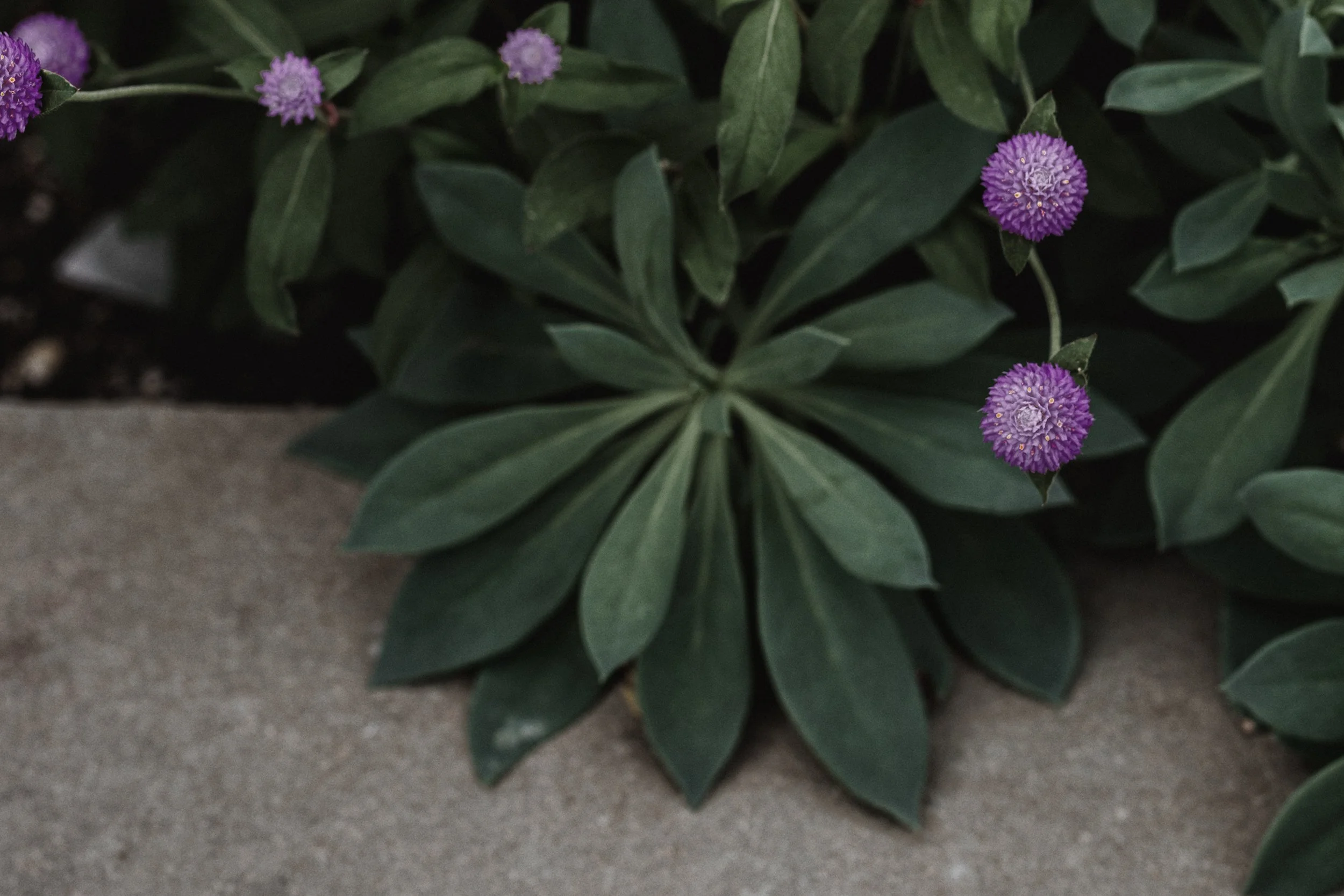
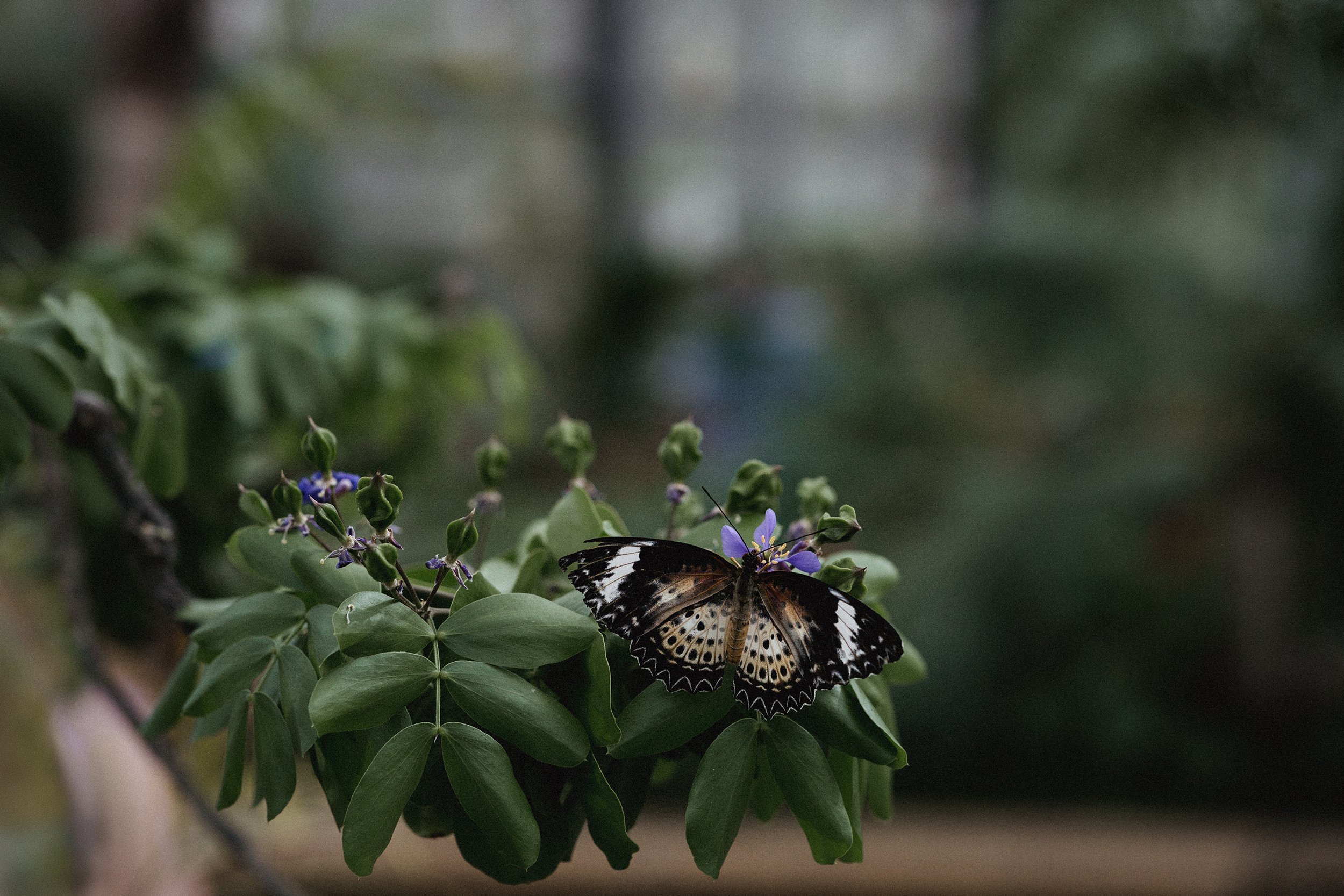
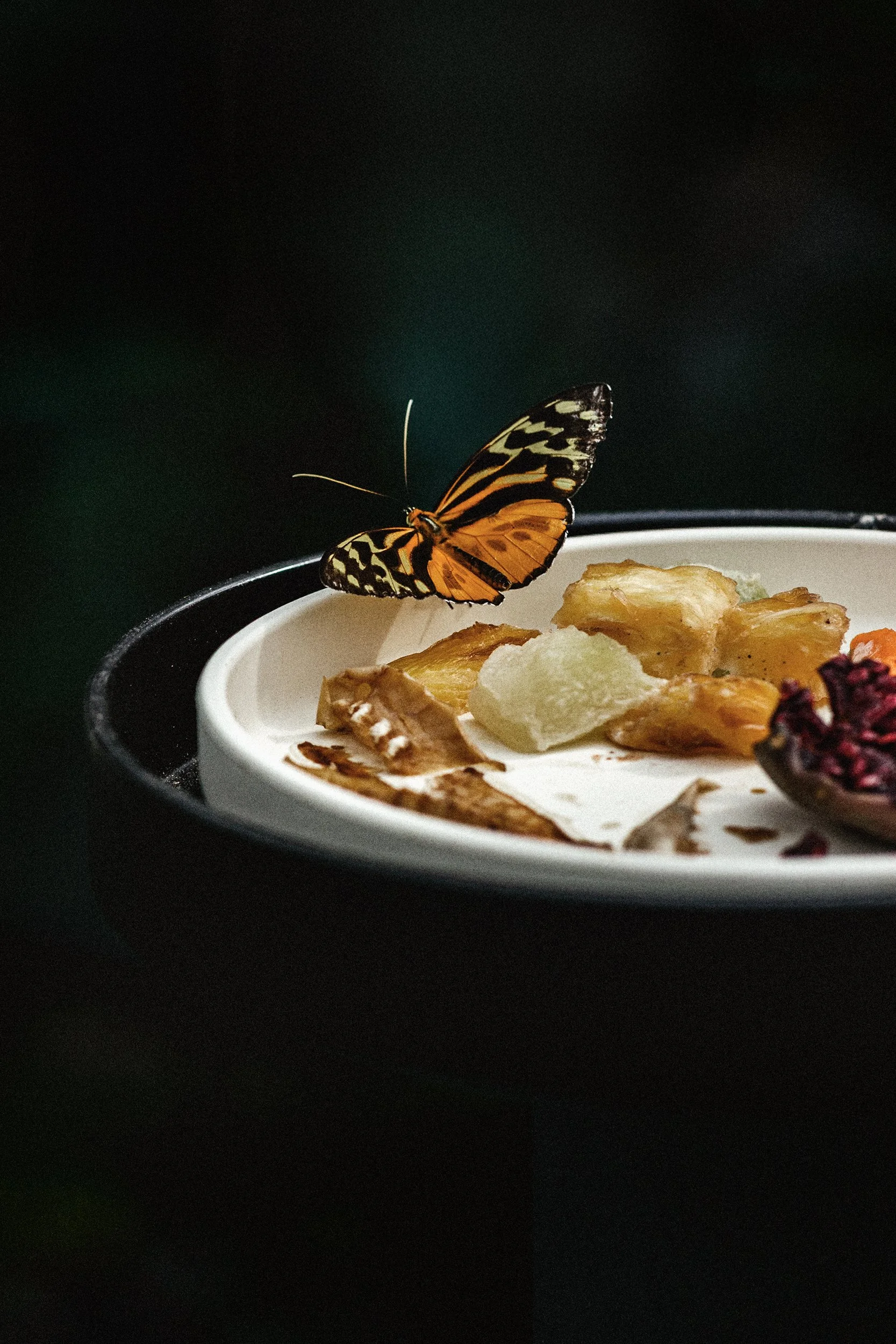
Because flowers are beautiful and universally loved, they are natural photographic subjects. There are always lots of people taking pictures of the flowers, pointing cameras here and there. Sometimes it feels like a contest to see who can document the gardens best or most. Snap, snap, snap. The whole affair can read like a giant photographic to-do list rather than an immersive experience in observation. When I am in the gardens, I slow my breath; I walk slowly, too. I let my eyes rest and try to see the small, overlooked things. I seek the interplay of texture and light. I try to stay calm and keep in mind that even if I leave with no successful pictures, the day has been joyful anyway.

Why I Love Constraints

“All in all, I’d like to suggest we don’t think of constraints as restriction but as liberation. 
It's about finding beauty in limitations, making every shot intentional, and letting your creative voice soar.” 
 —Wesley Verhoeve

Behind the Scenes, June 2026

I’m sharing an excerpt from Wesley Verhoeve, 128 ¤ Why I Love Constraints (And You Should Too).

So, why should you willingly shackle your creativity?

Three benefits:

1. Freedom from Overthinking. By limiting choices, you free up mental bandwidth. No more agonizing over gear, locations, or styles. We are about doing, not thinking or talking.

2. Consistent Visual Voice. Constraints give your work a signature. Your audience recognizes your style, creating a cohesive body of work that speaks volumes.

3. Budget-Friendly Brilliance. Smaller budgets? No problem. Constraints force you to work with what you have, and that often leads to unexpected brilliance. Fancy gear or globetrotting adventures are not a requirement, just a beautiful luxury when possible.

I’m not sure I would have chosen to live with constraints, but there is no doubt that my life is better because of them. Learning to make the most of what I have serves me well. It leads to honoring my body and its limitations, going with my natural talents rather than lamenting those I do not have, living within my financial means, accepting my lot in life and being open to joy anyway. I try to remember this: my life feeds the work.


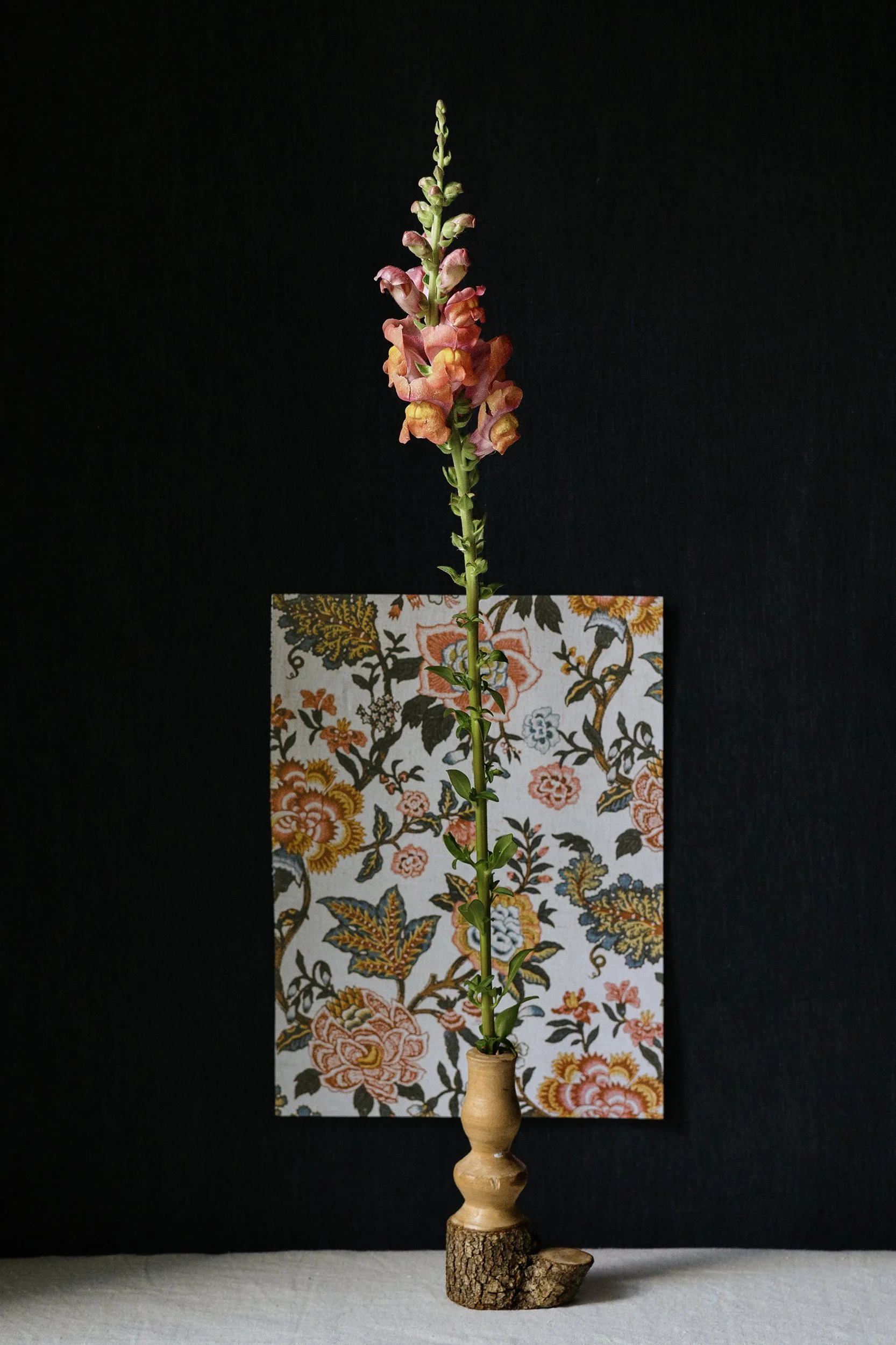
I’ve taken most of the floral portraits for my current project in this makeshift studio space in our garage, using drop cloths as backgrounds, thrift shop purchases like tables and vases, and the garage door opener to direct natural, available light. I can use a 35mm or 50mm lens and just about an 85mm, if I back up all the way to the other wall. I spend a lot of time squatting or sitting on my heels, and I’m almost giddy when I work it out so that I can take the picture standing (my knees are not always happy with this work). When I get frustrated or tired, rather than abandon the project, I step away for a few days, rest, and wait.